
Blooming
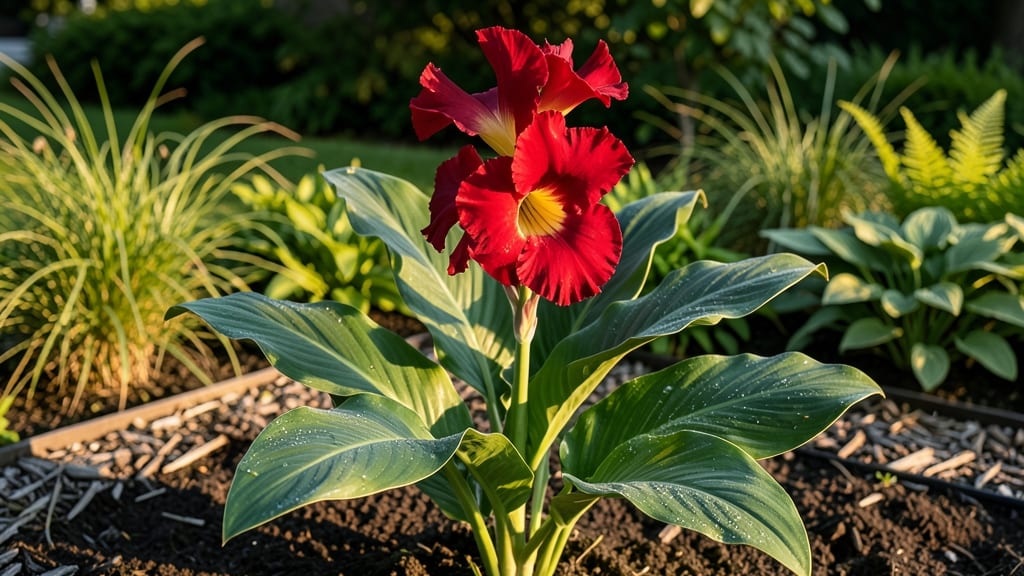
Canna lilies do not bloom all summer by default—most varieties produce one flush of flowers in early to mid-summer, while reblooming types may produce sporadic blooms into fall with proper care and deadheading. Rebloomers require consistent conditions to extend their season.
Most canna lilies follow a seasonal bloom cycle, producing their most vibrant flowers in one concentrated burst during summer's peak. 🌸 The key to extending their display lies in selecting reblooming varieties, which are bred to respond to specific growing conditions like consistent moisture and balanced fertilization.
Unlike their one-time blooming cousins, these types can reward you with occasional flowers well into fall—though they'll never match the intensity of their initial flush.
What truly sets rebloomers apart is their sensitivity to environmental cues. These plants rely on stable temperatures and adequate daylight to trigger new blooms, making them perfect for regions with long, warm summers.
I've found that varieties like 'Pretoria' and 'Striped' consistently deliver the best results when given regular deadheading and a nutrient-rich soil mix.
💡 In This Article
- Reblooming Canna Lily Characteristics and Growth Factors
- Best Canna Lily Varieties for Extended Summer Blooms
Reblooming canna lily characteristics and growth factors
Reblooming canna lilies owe their extended flowering to a genetic trait called "continuous blooming" that responds to specific environmental triggers. Unlike one-time bloomers, which produce flowers based on a single seasonal cue (usually temperature or daylight), rebloomers have a more flexible flowering mechanism.
This trait is often linked to their tropical origins, where stable growing conditions can sustain bloom production for months. The key factor is their ability to reset their flowering cycle after each bloom, a process that requires consistent moisture and nutrient availability.
Temperature plays a critical role in this process. Most reblooming varieties thrive in 70-85°F ranges, where they can continuously produce flowers. Below 60°F, their metabolism slows, halting bloom production, while temperatures above 90°F can cause stress and reduce flowering.
Daylight hours also matter—rebloomers need at least 6-8 hours of direct sunlight daily to maintain their energy reserves for continuous blooming. Without sufficient light, their energy shifts to foliage growth instead of flower production. 🌞
Watering and fertilization create the foundation for extended blooms. Rebloomers require 1-1.5 inches of water weekly, keeping the soil consistently moist but never waterlogged. Overwatering can lead to root rot, while underwatering stresses the plant and reduces flower quality.
Fertilization should focus on a balanced 10-10-10 NPK ratio (nitrogen, phosphorus, potassium) applied every 4-6 weeks during the growing season. Phosphorus, in particular, is crucial for flower development, while potassium helps maintain overall plant health and stress resistance.
Deadheading—removing spent blooms—is another critical practice for rebloomers. By cutting back wilted flowers at the base, you redirect the plant's energy toward producing new blooms instead of seed development.
I've found that rebloomers respond best when deadheaded within 24-48 hours of flower wilting, as delayed removal can signal the plant to focus on seed production rather than new growth. This simple step can extend the blooming season by 4-8 weeks in ideal conditions.
One common misconception is that reblooming cannas will produce flowers as prolifically as their initial flush. In reality, their later blooms tend to be 20-30% smaller but still vibrant. The trade-off is worth it for gardeners seeking prolonged color, but it's important to manage expectations.
Varieties like 'Pretoria' and 'Striped' are known for their reliability, often delivering 3-5 bloom cycles per season when given optimal care. The key is consistency—rebloomers reward steady conditions with sporadic but steady displays.
For those in cooler climates, choosing early-blooming rebloomers can maximize summer color. Varieties like 'Cleopatra' often start flowering by mid-June and continue into late September if protected from early frosts.
In warmer regions, rebloomers can extend their display until November, provided they receive adequate water and protection from pests like Japanese beetles, which can defoliate plants and halt blooming. 🌿