
Blooming
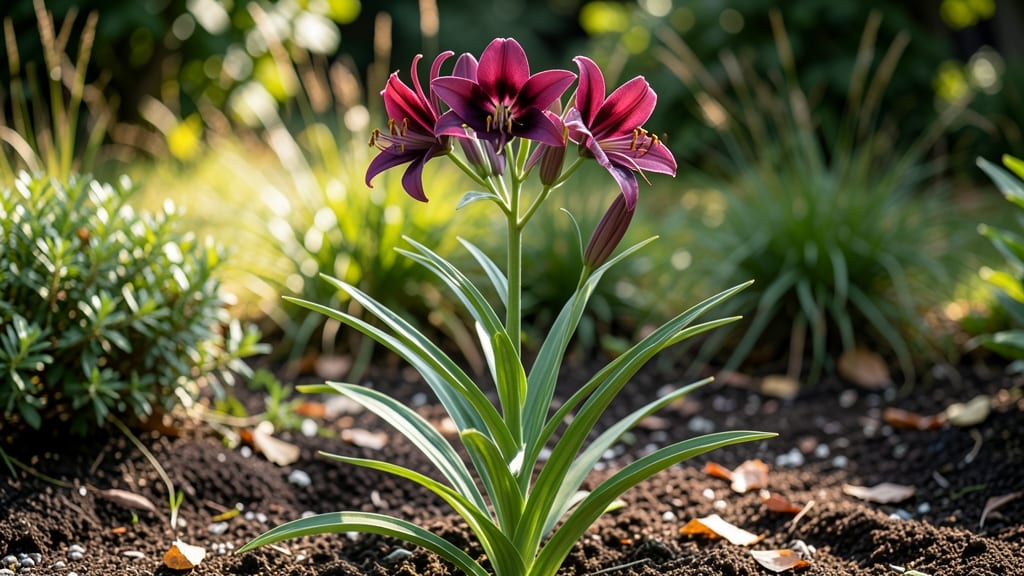
Lilies bloom in Michigan between mid-June and early August, depending on variety and your local microclimate 🌸—a window that transforms your garden into a fragrant, colorful showstopper.
Michigan gardeners know the thrill of watching lilies burst into vibrant blooms—but timing is everything. If you’ve ever planted bulbs in April only to wonder why your Asiatic lilies aren’t blooming until July while your Oriental varieties wait until August, you’re not alone.
The answer lies in how each type responds to Michigan’s cool springs and variable summers, and a few simple tricks can shift those bloom dates by weeks.
Below, I break down the exact bloom windows for the most popular lily types in Zones 5b-6b, how to read your garden’s microclimate clues, and the three key adjustments that’ll help you enjoy those trumpet-shaped blooms earlier—or keep them going longer into the season.
Whether you’re in Detroit’s urban heat islands or Traverse City’s cooler shores, this guide gives you the tools to predict—and even fine-tune—when your lilies will steal the show.
Michigan lily bloom timelines by variety: when to expect flowers in Zones 5-6
Michigan’s Zone 5-6 climate creates a stunning display of lilies, but their bloom times vary dramatically by variety. Asiatic lilies often lead the parade with early summer blooms, while Oriental lilies reward patience with late-season splendor.
Understanding these timelines helps you plan your garden for maximum impact and enjoy those fragrant blooms at their peak.
In northern Michigan—think Traverse City or Marquette—cooler temperatures can delay blooms by 1-2 weeks compared to southern regions like Detroit or Ann Arbor. Soil temperature plays a critical role: lilies need 60°F+ soil to trigger flowering, which typically occurs in late May to early June for most varieties.
Here’s a quick reference for the most popular lily varieties grown in Michigan, including their average bloom windows and key factors that influence timing:
| Variety | Avg. Bloom Window (Zones 5-6) | Northern MI Shift | Sunlight Needs | Key Care Tip |
|---|---|---|---|---|
| Asiatic Lilies | Early July - Early August | 1-2 weeks later | Full sun (6+ hours) | Deadhead spent blooms |
| Oriental Lilies | Late July - Mid-August | 2 weeks later | Partial shade (morning sun) | Mulch heavily in fall |
| Trumpet Lilies | Mid-July - September | 1 week later | Full sun (tolerates heat) | Stake tall varieties |
| Daylilies (Hemerocallis) | June - August (continuous) | Minimal shift | Full sun to partial shade | Divide every 3-4 years |
| Martagon Lilies | Late July - August | 1 week later | Partial shade (woodland garden) | Plant in rich soil |
Asiatic lilies are the early bloomers, typically bursting into color in early July across most of Michigan. These varieties thrive in full sun and are perfect for adding vibrant pops of pink, orange, or yellow to your garden. In northern Michigan, their blooms may arrive a week later due to cooler soil temperatures.
If you love the rich fragrance of Oriental lilies, plan for their late July to mid-August display. These beauties prefer partial shade, especially in southern Michigan where summer heat can stress them. In Zone 5b areas, their blooms might stretch into early September if planted in well-draining soil.
Trumpet lilies (like the iconic Lilium regale) are the showstoppers of late summer, often blooming from mid-July through September. Their tall, dramatic flowers make them perfect for the back of borders. In southern Michigan, their blooming window can extend into early October, while northern gardens may see them fade by late August.
For continuous color, Daylilies are the workhorses of the garden, blooming from June through August with minimal variation across Michigan. Unlike true lilies, they’re perennial powerhouses that thrive in both sun and shade. Their adaptability makes them ideal for beginner gardeners or areas with less-than-perfect sunlight.
Soil temperature is the secret weapon for controlling bloom times. Use a soil thermometer to monitor conditions—lilies need 60°F+ soil for 10+ days to trigger flowering. In cooler northern regions, consider black plastic mulch in early spring to warm the soil faster and advance bloom times by 1-2 weeks.
Light exposure also plays a critical role. While most lilies love
5 Proven tips to extend or advance lily blooms in Michigan’s climate
Michigan’s unpredictable spring frosts and late-summer heatwaves can throw off lily blooming schedules, but with the right strategies, you can shift bloom times by weeks. Whether you want earlier spring blooms or longer summer displays, these tips help lilies thrive in Zone 5-6 conditions.
The key is understanding how planting depth, mulching, and watering schedules interact with Michigan’s climate.
Start by choosing early- or late-blooming cultivars tailored to your microclimate. For example, Asiatic lilies often bloom 2-3 weeks earlier than Oriental lilies, making them ideal for northern Michigan gardens where springs are cooler.
If you live in southern Michigan, Trumpet lilies can handle heat better and extend your bloom season into early fall.
Here’s how to maximize your lilies’ potential with 5 science-backed techniques:
First, adjust planting depth based on your region. In northern Michigan, plant bulbs 8-10 inches deep to insulate them from late spring frosts. This delays shoot emergence until soil temperatures are consistently above 50°F, pushing blooms 2-3 weeks later and avoiding frost damage.
In southern Michigan, shallower planting (6 inches deep) encourages earlier blooms by warming the soil faster.
Next, mulch strategically to extend blooming seasons. Apply 3-4 inches of organic mulch (like straw or shredded leaves) in early spring to keep soil cool and moist, delaying blooms for late-summer displays.
For earlier blooms, remove mulch in late winter to let soil warm up faster. Always keep mulch 6 inches away from stems to prevent rot.
Watering plays a critical role in bloom timing. Lilies need deep, infrequent watering—1-2 inches per week—delivered in the early morning to reduce evaporation and fungal risks. During heatwaves, increase frequency to every 3-4 days and water at the base of plants to avoid wetting foliage.
This practice helps lilies recover faster from stress and maintain vibrant blooms longer.
To protect lilies from Michigan’s unpredictable frosts, use frost cloth or row covers when nighttime temperatures drop below 32°F during bloom season. Remove covers by 10 AM to allow sunlight and prevent overheating.
For late-summer blooms, consider shade cloth (30-50%) to reduce heat stress, especially for Oriental lilies, which wilt easily in 90°F+ temperatures.