
Plants
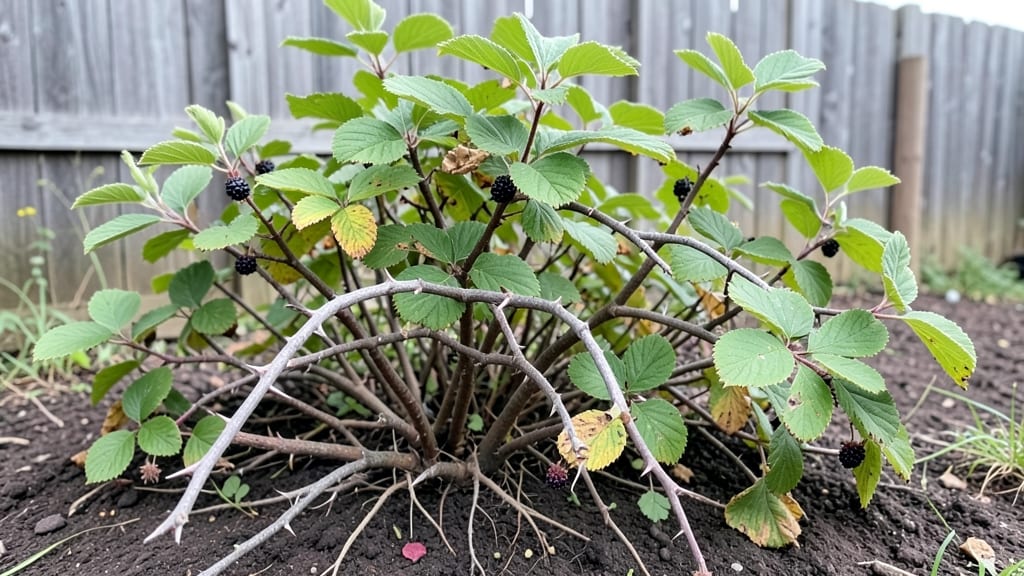
Blackberries are perennials that regrow yearly from their roots, producing new canes and fruit each season in USDA zones 5-9, though winter protection may be needed in colder climates.
Once established, these plants develop a robust underground network that stores energy year-round, allowing them to push out fresh shoots every spring. The two types of canes—primocanes (current year's growth) and floricanes (fruit-bearing stems)—work together to ensure continuous harvests, though they require strategic pruning to maintain vigor.
In my experience, varieties like Cheyenne or Natchez handle colder snaps better than delicate hybrids, making them smart choices for gardeners in zones 5-7.
What sets blackberries apart is their dormancy strategy: they enter a semi-dormant state in winter, conserving energy until temperatures rise. This adaptability means they can rebound quickly after frost—though a thick layer of mulch (like straw or leaves) acts as an insulator for those zone 5 winters.
I’ve seen neglected patches bounce back with minimal care, proving their hardy nature when given basic winter prep.
💡 In This Article
- Blackberry Plant Life Cycle and Root System
- Cold-Hardiness Zones for Blackberry Cultivation
Blackberry plant life cycle and root system
Blackberries thrive as perennials thanks to their complex root system and specialized growth cycles. The plant's crown—the thickened base where roots and canes meet—acts as the energy reservoir. This woody structure contains dormant buds that can regenerate new canes each spring, even after severe pruning or winter dieback.
The roots themselves extend 3-5 feet deep, anchoring the plant while storing carbohydrates for regrowth.
Here's what's actually happening underground: The root system produces two types of canes—primocanes (current year's growth) and floricanes (second-year stems). Primocanes grow vigorously in their first season but won't fruit until the following year when they become floricanes.
This two-year cycle ensures continuous production, with primocanes fruiting in the year after they emerge. The crown coordinates this process by signaling when to send out new primocanes while maintaining the floricanes' fruit-bearing capacity.
The dormancy phase is where blackberries demonstrate their hardiness. As temperatures drop below 40°F, the plant enters a semi-dormant state where metabolic activity slows dramatically. This isn't true hibernation—roots continue absorbing moisture while the above-ground canes appear dead.
What most people don't realize is that the crown remains metabolically active, maintaining a 5-10% moisture level in its tissues to prevent desiccation. This moisture reserve allows for rapid regrowth when spring temperatures stabilize above 50°F for several consecutive days.
Consider these key factors when understanding their perennial nature:
- Root depth: Deeper roots access groundwater, making blackberries drought-tolerant once established
- Crown resilience: Can regenerate from just 2-3 inches of remaining crown tissue
- Temperature triggers: Requires 100-200 hours below 45°F annually to break dormancy properly
The primocane/floricane system creates a fascinating visual pattern in blackberry patches. In early spring, you'll see the reddish-brown floricanes from last year's growth, while the green primocanes emerge from the crown. These primocanes will bear fruit next season while the floricanes produce this year's harvest.
This dual-system approach explains why blackberries can produce fruit for 2-3 weeks annually—first from the floricanes, then from the developing primocanes in everbearing varieties.
What makes this system particularly impressive is the plant's ability to self-regulate. If a primocane is damaged early in the season, the crown will redirect energy to other canes. Similarly, if floricanes are overloaded with fruit, the plant will produce fewer primocanes the following spring to conserve resources.
This adaptive mechanism ensures the plant's survival even with minimal human intervention.
The crown's role extends beyond regeneration—it's also the plant's communication center. Through a process called apical dominance, the crown controls which buds will develop into canes and which will remain dormant.
This explains why blackberries can produce 10-20 canes per plant in ideal conditions, all originating from the same crown structure. Understanding this system helps explain why blackberry plants can live for 15-20 years with proper care.