
Blooming
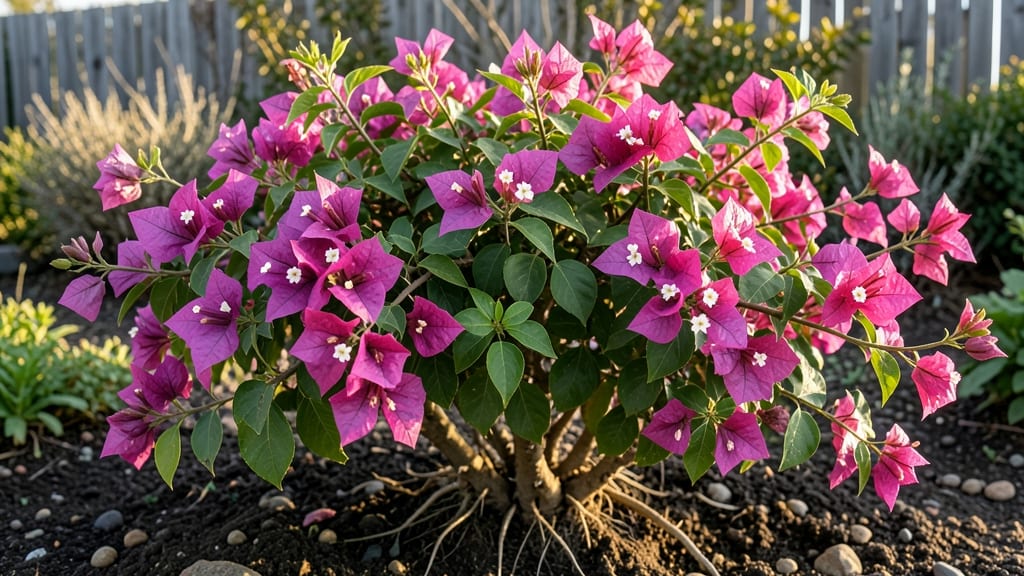
The bougainvillea bloom time depends on heat, cold snaps, and a few pruning secrets most gardeners miss—because those papery blooms don’t just appear by chance.
If your bougainvillea refuses to bloom—or bursts into vibrant color only to fizzle out—understanding its bloom triggers could transform your plant’s future. Heat, cold snaps, and even pruning secrets hold the key to unlocking those iconic blooms year after year.
In tropical zones 9-11, bougainvillea thrives with continuous blooms from spring to fall, but a single cold snap can reset growth for a bigger spring show. Meanwhile, gardeners in cooler regions learn to mimic these conditions indoors or risk sparse, short-lived flowers.
Here’s how to time pruning, fertilize for blooms, and use temperature shifts to extend your bougainvillea’s show-stopping season—without overcomplicating the process.
How heat and temperature shifts trigger bougainvillea blooms
Bougainvillea thrives on temperature fluctuations, not just steady warmth. While many gardeners assume these tropical vines need consistent heat, the truth is more nuanced. Sudden temperature shifts—especially from warm days to cooler nights—actually trigger the hormonal signals that prompt blooming.
This dual-temperature dance is what separates a lush, flowering vine from a leggy, bare-stemmed disappointment.
The science behind bougainvillea blooms lies in its photoperiodic response. These plants evolved in seasonal tropical climates where day-length changes and temperature swings cue flowering.
In regions with stable temperatures year-round, like Florida or Southern California, bougainvillea may bloom continuously—but gardeners in temperate zones (like Zone 8) often struggle because their plants lack these natural triggers.
Here’s the critical temperature range for blooming: 70–95°F during the day, with 10–15°F drops at night. This shift mimics the dry-season signals bougainvillea receives in its native Brazil. Without this contrast, the plant may produce leggy growth but skip flowering entirely.
Even in USDA Zones 9–11, where bougainvillea is hardy, a heatwave without nighttime cooling can stall blooms until temperatures naturally dip.
| Temperature Trigger | Effect on Bougainvillea | Regional Adaptation |
|---|---|---|
| Daytime: 70–95°F | Encourages photosynthesis and new growth | Ideal for Zones 9–11 year-round |
| Nighttime: 55–70°F | Triggers flowering hormones (florigens) | Use row covers in Zones 8–9 for cooler nights |
| Heat spike (>95°F for 3+ days) | Can stress the plant, delaying blooms | Provide afternoon shade in Zones 10–11 |
| Cold snap (40–50°F for 1–2 nights) | Resets dormancy cycle, forcing spring blooms | Protect with mulch in Zones 8–9 |
| Consistent warmth (>80°F day/night) | Promotes foliage over flowers | Avoid in greenhouses without cooling |
Gardeners in temperate climates (like Zone 8) can mimic these conditions by pruning in late winter to expose older wood to cooler temperatures. The shock of cold after dormancy signals the plant to break bud dormancy and produce flowers.
In Zone 7 or cooler, bougainvillea often needs container growing so you can move pots indoors during winter and back out for spring temperature shifts.
One common mistake is assuming more heat = more blooms. In reality, extreme heat without cooling (like 100°F+ days) can shut down flowering entirely. Bougainvillea’s native habitat in Brazil’s Caatinga experiences dry seasons with scorching days but cool nights.
Without this contrast, the plant prioritizes survival over reproduction, leading to leggy, non-flowering vines.
For container gardeners, placing pots near ventilated areas (like porches or patios) ensures natural temperature fluctuations. If your bougainvillea is in a greenhouse, use ventilation fans or shade cloth to create day-night temperature swings.
Even a 10°F drop at night can trigger flowering within 2–3 weeks.
Regional adaptations matter: In Florida or Southern California, bougainvillea blooms year-round because natural temperature shifts occur daily. But in Arizona’s desert heat, where nights stay warm year-round, gardeners often need to prune aggressively in spring to force new growth that responds to summer heat spikes.
If your bougainvillea blooms once then stops, it’s likely due to lack of temperature variation. Try moving it to a sunnier spot with better airflow or prune back by 1/3 to stimulate fresh growth that can respond to seasonal changes.
The key is balance: enough heat for growth, but
Cold snap secrets: how winter chill can reset growth for spring blooms
Bougainvillea thrives in warmth, but a carefully timed cold snap (40–50°F nights) can actually boost next season’s blooms. This tropical vine needs a dormancy trigger to reset its growth cycle, and winter chill provides the perfect signal.
Without it, your plant might produce fewer blooms or struggle to recover after summer heat. The key? Controlled exposure—not freezing—followed by a gradual return to warmth.
Native to USDA Zones 9–11, bougainvillea isn’t frost-hardy, but it can handle light winter chill if prepared properly. Gardeners in cooler climates (Zones 8 or below) often grow bougainvillea in containers and move it indoors during winter.
Even a 2–4 week chill period can trigger stronger spring blooms by mimicking natural seasonal shifts. Think of it as a growth reset button for your plant.
⚠️ Bougainvillea Bloom Time Warning
Timing is critical: Expose bougainvillea to 40–50°F nights for 2–4 weeks in late fall (October–November). Any colder (32°F or below) risks frost damage or death. Daytime temps should stay above 50°F—this mimics natural tropical dry seasons that trigger blooming.
Signs of over-chilling: Yellowing leaves, dropping bracts, or stunted growth mean you’ve pushed too far. If this happens, move your plant to a protected, warmer spot immediately.
Start by reducing watering 2–3 weeks before the cold snap. Let the soil dry out slightly—bougainvillea stores water in its thick stems, but overwatering during chill can lead to root rot.
Move potted plants to a sheltered location, like a garage with unheated but frost-free conditions, or wrap outdoor plants in burlap or frost cloth for 24-hour protection during the coldest nights.
Monitor your bougainvillea closely during the chill period. If temps drop below 40°F, cover it with a clear plastic sheet (to trap heat) or use a Christmas light string wrapped around the plant for gentle warmth.
Avoid heating pads or space heaters—sudden warmth spikes can shock the plant. The goal is consistent, cool conditions, not artificial heat.
After 2–4 weeks of chill, gradually reintroduce your bougainvillea to warmer conditions. Move it back outdoors on mild, sunny days (above 55°F) and harden it off over 3–5 days.
This transition period helps prevent shock-induced leaf drop. Once fully acclimated, resume regular watering and fertilizing with a low-nitrogen, high-phosphorus blend to encourage spring blooming.
For container-grown bougainvillea, this cold snap trick works even in Zone 7 or 8. Just ensure pots have drainage holes and use well-draining soil (like cactus mix). If you’re in a frost-prone area, bring containers indoors to a bright, cool spot (like a sunroom) until spring.
With this method, you’ll see earlier, more abundant blooms by late spring—often 2–3 weeks ahead of unchilled plants.
Pro tip: Prune lightly after the chill period to encourage new growth. Remove any dead or damaged stems but leave healthy buds—these will develop into your spring blooms.
Pair this with morning watering and full sun exposure, and your bougainvillea will reward you with vibrant, long-lasting color all season.