
Blooming
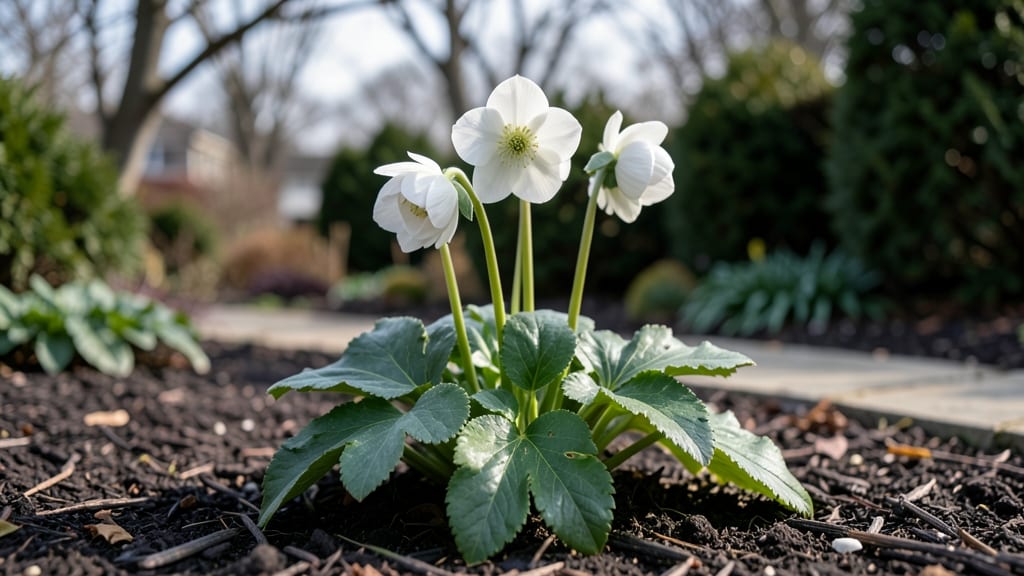
The lenten rose bloom time defies winter with its late-winter to early-spring blooms, often pushing through snow to surprise gardeners with nodding, cup-shaped flowers. 🌱 I've watched mine emerge in February—sometimes even January—when most plants are still dormant, their dark petals standing out against bare stems.
The key to their frost resilience lies in their timing: they bloom when temperatures dip but before true spring arrives, making them one of the first harbingers of the season.
These hardy perennials follow a unique rebloom cycle that rewards patience. After their initial spring show, they often produce a second flush of blooms in late spring or early summer, though this depends on your climate zone.
In colder regions, the second bloom may be minimal, while milder areas can enjoy a more extended display. The secret to encouraging this cycle? Avoid pruning until after the first blooms fade—cutting too early removes next year's flower buds hidden in the foliage.
What you'll end up with is a garden that feels alive even in the coldest months, with weeks of blooms when other plants are still sleeping. The flowers attract early pollinators, and the evergreen foliage provides year-round structure.
For best results, plant in partial shade and enrich the soil with compost—these roses thrive where others struggle, making them a true garden workhorse.
Regional variations matter: Northern gardeners may see their first blooms in March, while Southern growers might enjoy January flowers. In all cases, mulch heavily in fall to protect roots, and avoid heavy fertilizing during bloom time—too much nitrogen delays reblooming.
The payoff? A garden that starts its show earlier and lasts longer than anything else in your landscape.
📚 In This Guide
- What you need
- Instructions
- Tips and common mistakes
- Wrapping up and next steps
What you need
- ● Lenten rose plants: 1–3 mature plants (depending on desired display size)
- ● Varieties like Helleborus niger (Christmas rose) or Helleborus orientalis (Lenten rose)
- ● Well-draining soil: 2–3 cubic yards of garden loam mixed with compost (50/50 ratio)
- ○ Optional: Perlite or coarse sand (1 part per 5 parts soil) for extra drainage
- ● Organic mulch: 3–4 inches of shredded bark, wood chips, or leaf mold
- ● Fertilizer: Balanced slow-release fertilizer (10-10-10 or 20-20-20, 1–2 tbsp per plant)
- ○ Optional: Bone meal or worm castings (for phosphorus-rich blooms)
- ● Watering tools: Watering can or hose with a gentle spray nozzle
- ○ Drip irrigation system (optional, for automated care)
- ● Frost cloth or burlap: Lightweight cover for late-season protection (if temps dip below 20°F/-7°C)
- ● Slow-release granules: Osmocote or similar (apply in early fall for winter nourishment)
- ● Pruning shears: Sharp, sterilized shears for deadheading spent blooms (after rebloom)
- ● Soil pH test kit: To ensure pH is between 6.0–7.0 (Lenten roses thrive in slightly acidic to neutral soil)
Step-by-step guide to understanding lenten rose bloom cycles
Here's how to predict and encourage your frost-hardy lenten rose's stunning rebloom schedule.
🌱 Step 1: Identify Your Lenten Rose's Natural Bloom Window
Lenten roses typically bloom in late winter to early spring, often between February and April, with their first flush of flowers appearing just as other plants are waking up. This early bloom makes them perfect for gardeners eager for color after winter's dormancy. Watch for the first buds forming—these will be your signal that the rebloom cycle is about to begin.
Here's the thing—lenten roses are frost-resistant, but their bloom time depends on your climate zone. In colder regions, they may wait until after the last frost, while in milder areas, they might bloom as early as January. Pay attention to your local frost dates and average temperatures to time your expectations.
☀️ Step 2: Provide the Right Conditions for Reblooming
After the initial bloom, lenten roses often produce a second flush of flowers in late summer to early fall, provided they receive the right care. Ensure your plant gets partial shade to full sun, as too much direct sun can stress the plant and reduce flowering. A location with morning sun and afternoon shade works best for most climates.
Water deeply but infrequently—aim for 1 inch of water per week, allowing the soil to dry out slightly between waterings. Overwatering can lead to root rot, which weakens the plant and reduces its ability to rebloom. You'll know the moisture is right when the top inch of soil feels slightly dry to the touch.
✂️ Step 3: Prune Strategically to Encourage Reblooming
Prune your lenten rose right after the first bloom cycle, in late spring, to promote new growth and encourage a second flush of flowers. Remove any dead or damaged stems, and cut back any leggy growth by about one-third. This pruning stimulates the plant to produce fresh, vigorous shoots that will eventually bloom again.
Don't skip this step—I learned the hard way that skipping pruning leads to fewer flowers and weaker stems. After pruning, fertilize lightly with a balanced, slow-release fertilizer to give the plant the nutrients it needs for the next bloom cycle. You'll see new growth within a few weeks, signaling that your pruning worked.
🌿 Step 4: Monitor for Pests and Diseases
Lenten roses are generally low-maintenance, but pests like aphids or fungal diseases can still appear, especially after a wet spring. Inspect the plant regularly for signs of trouble, such as yellowing leaves, black spots, or sticky residue on the stems. Early detection is key to keeping your plant healthy and blooming.
If you spot pests, treat them with a mild insecticidal soap or neem oil spray. For fungal issues, improve air circulation around the plant and avoid overhead watering. A healthy plant is more likely to rebloom, so don't let small problems turn into bigger ones. You'll notice stronger, more vibrant blooms if you keep the plant in top condition.
⏰ Step 5: Plan for Year-Round Care
To ensure your lenten rose keeps blooming year after year, focus on consistent care. Mulch around the base of the plant in fall and winter to protect the roots from freezing temperatures. Use 2-3 inches of organic mulch, like shredded bark or leaves, and keep it a few inches away from the stem to prevent rot.
In early spring, before new growth appears, apply a balanced fertilizer to give the plant a nutrient boost. This helps it recover from winter dormancy and prepares it for another round of stunning blooms. With the right care, your lenten rose will reward you with beautiful flowers season after season.
Tips & tricks for perfect lenten rose reblooming
These simple strategies will help you maximize your plant's stunning seasonal displays without the guesswork.
Climate Zone Adjustments: The February-to-April bloom window is a guideline, but your local last frost date is the real calendar. In Zone 5, I wait until after April 15th to see buds, while my Zone 7 friends spot flowers as early as February. Check your average last frost date and add 2-3 weeks to that timeline for your first buds to appear—this accounts for the plant's frost resilience while avoiding late-season freezes that can damage emerging blooms.
Lighting Strategy: Morning sun and afternoon shade is ideal, but if your garden only offers full sun, position the plant where it gets 4-6 hours of direct morning sunlight maximum. I've seen lenten roses thrive under the dappled shade of oak trees—just avoid hot afternoon sun that can scorch leaves and stress the plant before its second bloom cycle in late summer. Think of it as creating a gentle, filtered light environment similar to their native woodland habitats.
Pruning Precision: When cutting back those leggy stems by one-third in late spring, focus on removing stems that are crossing or rubbing against each other. These "hidden cuts" create entry points for diseases and prevent the plant from putting energy into unnecessary growth. After pruning, I always give the plant a light shake—this helps the branches settle into their new shape and encourages denser growth where you want it.
Pro Tips for Lenten Rose Bloom Time
- These simple strategies will help you maximize your plant's stunning seasonal displays without the guesswork.
- Climate Zone Adjustments: The February-to-April bloom window is a guideline, but your local last frost date is the real calendar.
- Lighting Strategy: Morning sun and afternoon shade is ideal, but if your garden only offers full sun, position the plant where it gets 4-6 hours of direct morning sunlight maximum.
Frequently asked questions
Got questions about your Lenten rose's bloom time?
Here are answers to the most common ones—so you can enjoy those stunning flowers year after year!
When is the best time to plant a Lenten rose for optimal blooms?
The ideal planting time is in early autumn (September–October) or late winter (February–March) before new growth begins. This gives roots time to establish before the first spring blooms appear. If planting in spring, water deeply and mulch to protect roots from temperature swings.
Why isn’t my Lenten rose blooming when it should?
Lenten roses (Helleborus) often bloom late winter to early spring (February–March), but several factors can delay flowers: too much shade, over-fertilizing with nitrogen, or recently transplanted plants. Ensure it gets partial shade and well-draining soil. Deadhead spent blooms to encourage reblooming!
Can Lenten roses rebloom later in the season?
Yes! While their primary bloom is in late winter, some varieties (like Helleborus niger) may produce secondary blooms in late summer or fall if given consistent care. Prune back dead foliage in early spring to stimulate new growth. Pro tip: Avoid heavy pruning after blooming—wait until after the first flush of flowers!
How do I extend the bloom time of my Lenten rose?
To prolong blooms, water consistently (but avoid soggy soil), mulch annually to protect roots, and avoid moving the plant once established. Deadheading faded blooms encourages more flowers. For extra resilience, plant in a spot with dappled sunlight—they tolerate light frost but thrive in cooler climates.
Are there alternatives to Lenten roses for early spring color?
If you love early bloomers, consider these frost-hardy alternatives:
- Snowdrops (Galanthus) – Bloom as early as December–February.
- Winter Aconite (Eranthis) – Bright yellow flowers in late winter.
- Crocus – Stunning purple/white blooms in January–March.
- Daffodils (Narcissus) – Classic spring bloomers (March–April).
Wrapping up and next steps
The Lenten rose (or Helleborus) thrives as a frost-hardy, early bloomer, gracing your garden with vibrant colors as early as late winter—often before snow melts! 🌸 With patience and the right care, you can enjoy its rebloom cycle for years, turning your yard into a cheerful spring sanctuary.
Whether you’re a seasoned gardener or just starting, this resilient beauty rewards effort with stunning, long-lasting blooms.
Now that you’re armed with the perfect bloom time and care tips, why not plan your next planting session? Mark your calendar for late summer or early fall—the ideal time to plant or divide Lenten roses—and watch your garden transform into a winter wonderland of color! 🌿✨