
Blooming
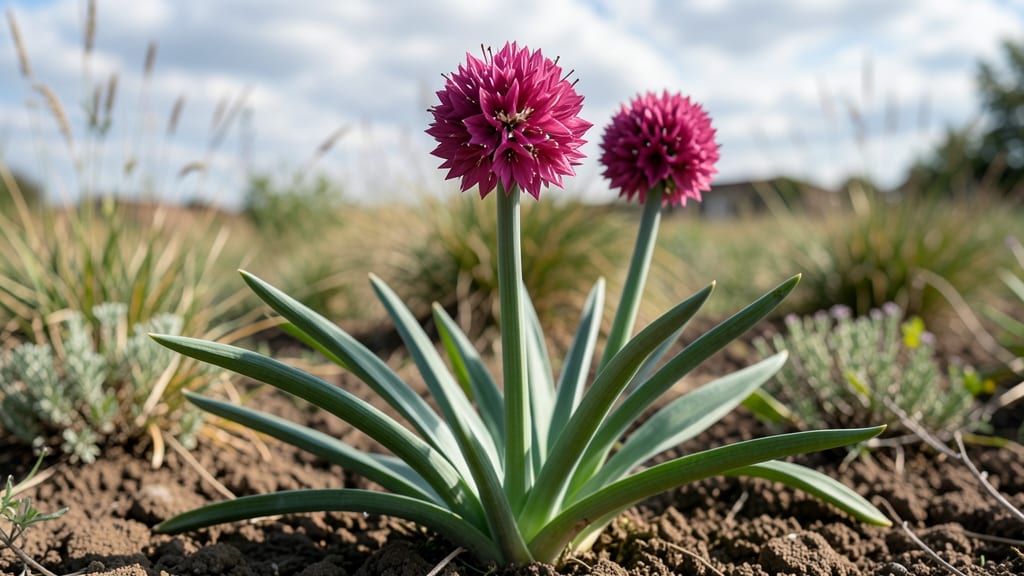
The allium bloom time thrives when temperatures hit the 50°F–75°F sweet spot 🌸 — a heat-triggered dance that turns your garden into a globe of purple, white, or pink by late spring.
Wondering why your alliums refuse to bloom when temperatures soar? The secret lies in their heat-triggered growth stages—and getting them right could mean the difference between a stunning spring garden and a disappointing flop.
Some varieties like Allium giganteum need cooler nights to set buds, while others, such as Allium sphaerocephalon, thrive in warmer zones. Planting too early in cold climates or too late in hot ones can delay blooms by weeks, even months.
In this guide, you’ll learn how to time your plantings for peak bloom periods, adjust care for your USDA zone, and pair alliums with other spring stars like tulips or daffodils for a show-stopping display.
Understanding Allium bloom time by variety and heat requirements
Alliums are heat-sensitive plants that bloom based on temperature triggers, not just daylight. Most varieties need consistent warmth between 50°F and 75°F to transition from foliage growth to flowering.
If your alliums sit in extreme heat or cool spells, they may skip blooming entirely—or produce weak, sparse flowers. Understanding these thresholds helps you time plantings for show-stopping displays.
For example, Allium giganteum (giant allium) thrives in cooler climates (USDA Zones 3–8) and blooms earlier than its heat-loving cousins. Meanwhile, Allium sphaerocephalon (drumstick allium) loves warmer zones (Zones 5–10) and often blooms late spring to summer.
Even within the same variety, a 5°F difference can shift bloom time by 2–3 weeks. Let’s break down the specifics.
Notice how Allium moly blooms in early spring when soil temps hover around 45–60°F, while Allium roseum waits for summer heat (65–75°F). This temperature dependency is why gardeners in Zone 10 often struggle with late or skipped blooms—the heat arrives too early, and alliums enter dormancy prematurely.
To fix this, try shade cloth during peak afternoon sun or plant in partial shade to slow growth until cooler temps return.
In cooler zones (3–5), alliums like Allium giganteum may bloom earlier but produce smaller flowers if nights stay below 50°F. Use row covers or black plastic mulch to warm soil by 5–10°F and encourage larger blooms.
Conversely, in Zone 7–10, succession planting (adding new bulbs every 4–6 weeks) ensures continuous blooms as heat waves shift.
Soil temperature matters just as much as air temperature. Allium bulbs need 60°F soil to break dormancy, but once shoots emerge, cool nights (55–65°F) promote stronger stems.
If your region swings between 80°F days and 40°F nights, consider container growing—you can move pots to shadier spots or sheltered areas to stabilize conditions. This is especially helpful for Allium sphaerocephalon, which wilts in extreme heat.
Light exposure also plays a role. While alliums require full sun, too much midday heat (especially in Zone 8–10) can str
How to accelerate or delay Allium bloom time using heat triggers
Alliums are masters of heat-triggered growth, and understanding their temperature thresholds lets you manipulate bloom timing with precision. Most varieties need 50°F–75°F to kickstart flowering, but timing varies by species. For example, Allium giganteum thrives in cooler springs, while Allium sphaerocephalon loves late-summer warmth.
By adjusting planting schedules or soil conditions, you can coax blooms 2–4 weeks earlier or later than usual.
Start by choosing your planting window. For early blooms, plant bulbs in late summer (August–September) so they establish roots before winter. This gives them a head start in USDA Zones 5–7, where spring warmth arrives later.
Conversely, delay blooms by planting in early spring (March–April)—the plants will focus on foliage growth first, pushing flowers into late summer or fall.
🌱 Accelerate vs. Delay Allium Bloom Time
⏳ Accelerate Blooms
- Pros: Earlier spring color, extended season
- Cons: Bulbs may fatigue faster
⏸️ Delay Blooms
- Pros: Late-season interest, avoids heat stress
- Cons: Risk of frost damage in Zones 4+
Mulching is your secret weapon for heat control. Use organic mulch (straw or shredded leaves) to insulate bulbs in early spring, accelerating growth by 1–2 weeks. For delayed blooms, switch to reflective mulch (gravel or aluminum foil) to deflect summer heat, keeping soil 5–10°F cooler.
Pair this with drip irrigation to maintain moisture without overheating the soil.
Soil amendments play a critical role. Organic options (compost or worm castings) improve drainage and microbial activity, speeding up nutrient uptake by 20–30%. Synthetic fertilizers like 10-10-10 NPK deliver faster results but risk burning roots if overapplied.
For delayed blooms, reduce nitrogen (5-10-10) to prioritize foliage over flowers. Test soil pH—aim for 6.0–7.0—as acidic conditions slow growth.
Shade strategies work wonders in hot zones (Zones 8–10). Install 30–50% shade cloth during peak afternoon sun (12 PM–4 PM) to lower soil temps by 10–15°F.
Alternatively, plant alliums under deciduous trees like oak or maple—their summer canopy provides natural shade while allowing winter sun. Avoid dense shade, which stunts flowering entirely.
Watering patterns are often overlooked but critical. For accelerated blooms, water deeply every 5–7 days during bulb establishment (fall/winter), then taper to weekly once shoots appear. To delay blooms, reduce watering to bi-weekly in late spring, forcing the plant to focus on root development.
Always water at soil level, not overhead, to prevent fungal diseases that thrive in heat.
Experiment with these heat triggers to tailor bloom times to your garden’s needs. Whether you’re chasing early spring color or extending the season into late summer, alliums reward precise care with dramatic, long-lasting flowers. Start small—test one variety and method before scaling up!