
Blooming
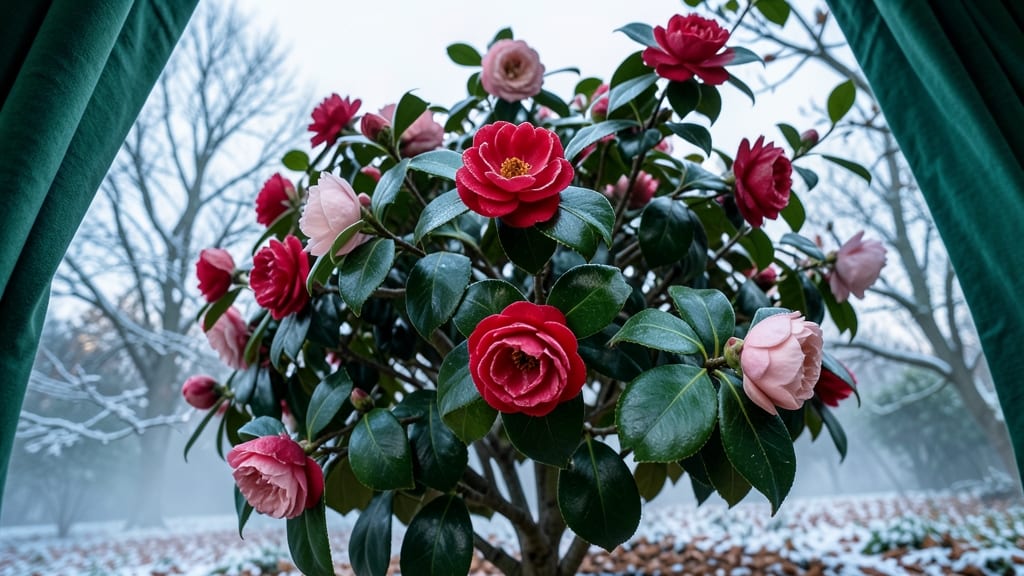
November gardens don’t have to fade into winter drabness—these 10 hardy plants defy the chill with vibrant blooms, fragrant displays, and winter resilience. Perfect for adding late-season color, attracting pollinators, or creating cozy winter focal points.
Winter Jasmine for Fragrant Yellow Cascades
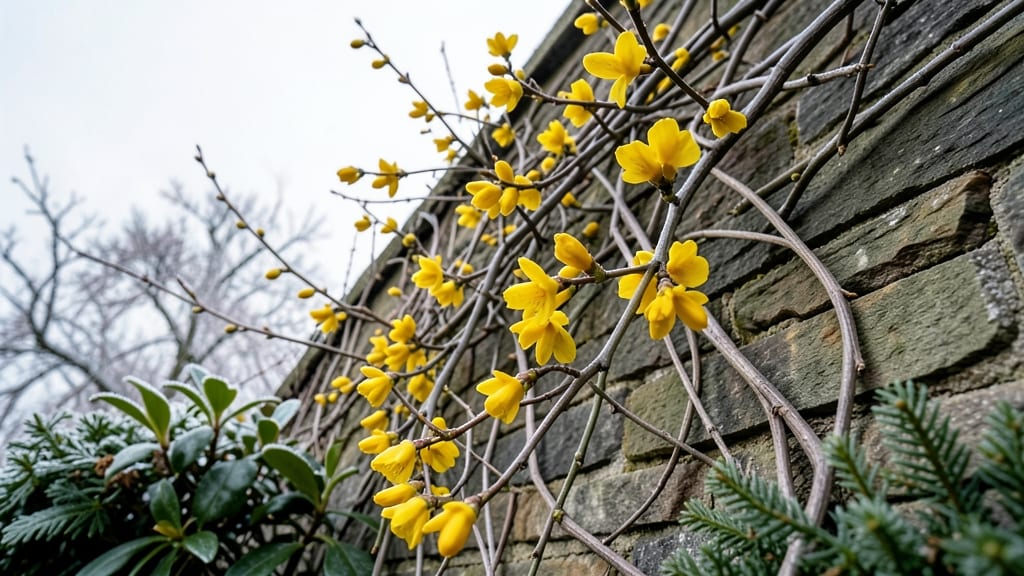
When you crave a splash of color in November's chill, winter jasmine delivers bright yellow blooms that appear before its leaves—like a cheerful surprise wrapped in evergreen foliage. This hardy climber thrives in USDA Zones 5-9, making it perfect for cold climates where other plants fade.
Plant it along fences, trellises, or arbors to create a fragrant cascade that brightens urban spaces or small yards. Prune lightly after flowering to encourage bushier growth, and enjoy its sweet, jasmine-like scent that lingers even in frosty air. It’s drought-tolerant once established, so water only when the soil feels dry.
Ideal for city balconies, small gardens, or as a low-maintenance focal point, winter jasmine proves that winter doesn’t have to be dull. 🌻
Sweet Box for Dark Green Foliage and Tiny White Flowers
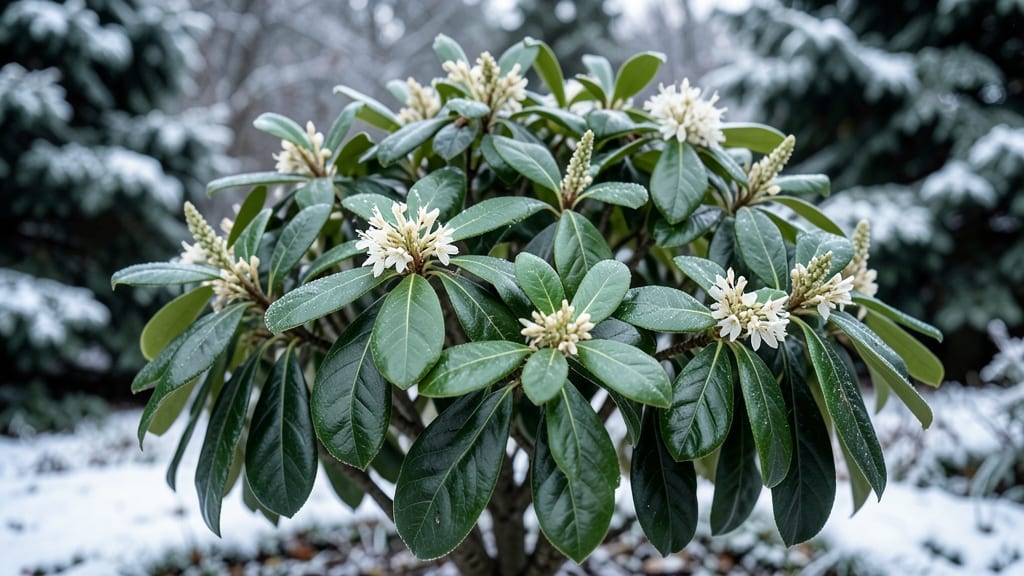
If you're craving a drought-tolerant shrub that delivers year-round structure and subtle charm, sweet box (Sarcococca) is your answer. Unlike flashy spring bloomers, this evergreen shrub produces delicate white flowers in late fall and winter—just when your garden needs a touch of elegance. Its glossy, dark green leaves create a lush backdrop that thrives even in colder climates.
The real magic happens in late autumn when clusters of tiny, fragrant white blossoms emerge, attracting bees and adding a whisper of scent to chilly days. Prune lightly in spring to maintain shape, and watch it flourish with minimal fuss. Perfect for structured hedges, foundation plantings, or as a low-maintenance focal point in shaded areas. 💚
Hellebore for Shade-Loving Purple and White Blooms
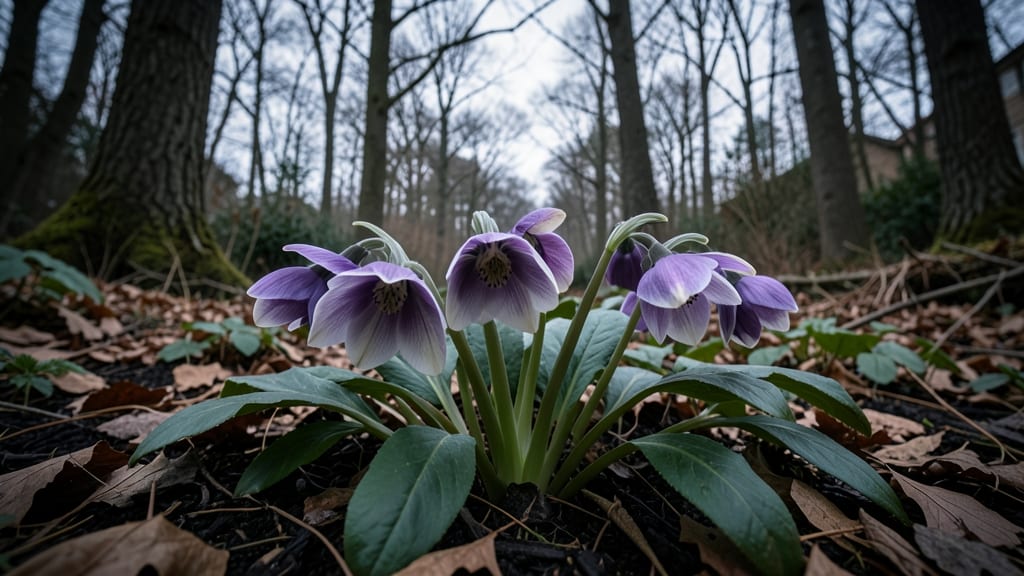
When your garden feels like it’s taking a winter nap, hellebores—or "Christmas roses"—step in to paint late-season magic with their nodding purple and white blooms. Unlike sun-loving plants, these perennials thrive in deep shade, making them perfect for woodland gardens, under trees, or even shady corners of your yard where other plants struggle.
Plant hellebores in well-draining soil and water moderately—they’re drought-tolerant once established. Their unique flowers appear from late fall through winter, adding whimsy to containers or garden beds. Deadhead spent blooms in spring to encourage more flowers, and watch them spread slowly over time. Perfect for gardeners who love low-maintenance plants with a fairy-tale touch. 🌷
Cyclamen for Delicate Pink and White Ground Cover
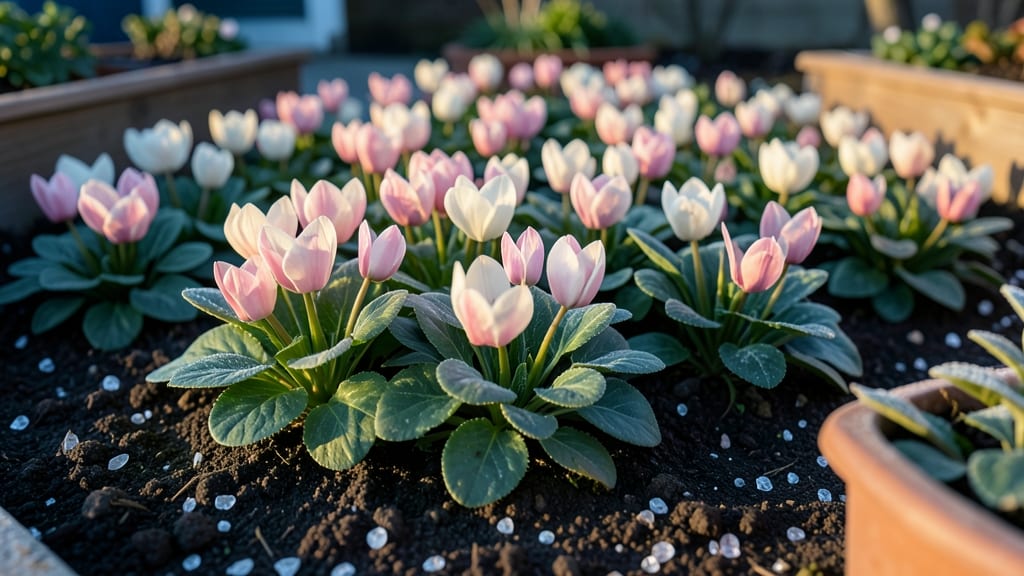
Want a garden that feels like a fairytale carpet even in November? Cyclamen transforms bare soil into a sea of delicate pink and white blooms, perfect for containers, window boxes, or garden borders. Unlike many winter plants, this cold-hardy annual thrives in temperatures as low as 20°F, making it ideal for late-season color.
Its self-seeding habit means you’ll get more flowers each year with minimal effort—just let the spent blooms drop and watch new plants pop up. For best results, plant in well-draining soil with partial shade (especially in hotter climates) and water sparingly to prevent rot. The heart-shaped leaves add texture, while the fragrant blooms attract pollinators even in chilly weather.
Urban gardeners and patio lovers will adore how cyclamen brightens small spaces, while cottage gardeners can use it to fill gaps between perennials. A true low-maintenance stunner for November’s crisp air. 💚
Pansies for Bold Faces in Containers and Beds
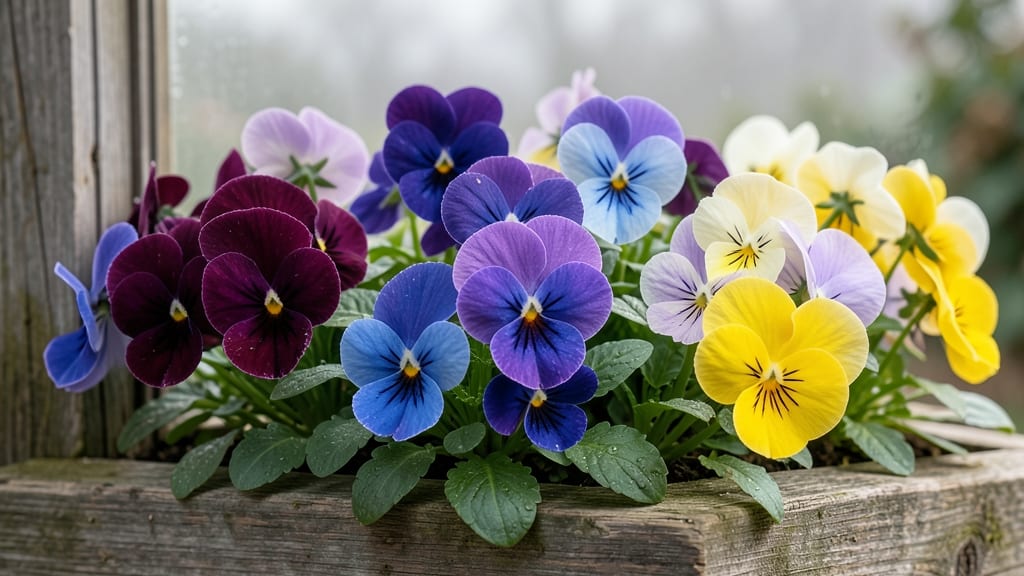
Looking for a November-blooming plant that feels like a smile on your garden? Pansies deliver those iconic face-like blooms in every hue—from deep purples to sunny yellows—perfect for adding personality to cool-season containers and beds. Their cheerful colors brighten up window boxes, hanging baskets, or garden borders when other plants have gone dormant.
These cool-weather champions thrive in temperatures as low as 20°F, making them ideal for late fall and early spring planting. For best results, choose a well-draining soil mix and water when the top inch feels dry. Deadhead spent blooms to encourage more flowers, and watch them spread their color for months. They’re also edible (yes, you can eat them!) and attract pollinators like bees and butterflies.
Whether you’re a container gardener with limited space or a bed designer craving instant color, pansies are the easy, versatile choice for November gardens. Their playful patterns and hardy nature make them a favorite for all skill levels. 🌷
Daphne Odora for Intoxicating Fragrant Clusters
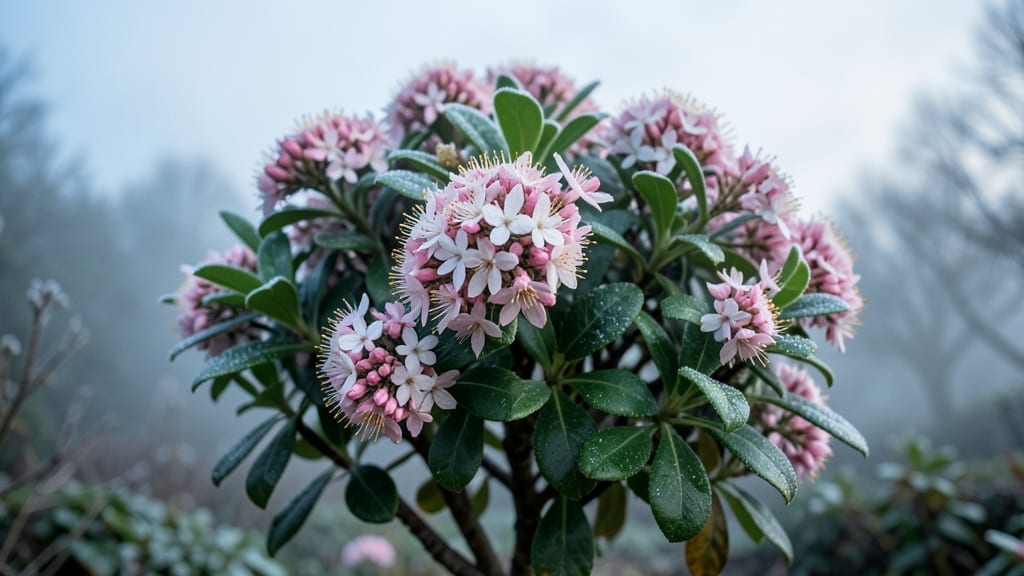
When you crave a sensory garden experience that turns chilly November strolls into fragrant memories, Daphne odora delivers an intoxicating escape. This compact shrub bursts into clusters of pink or white flowers that perfume the air with a heady, spicy-sweet scent—like a secret garden in every breath you take during late fall and early winter.
Plant Daphne odora in well-draining soil with morning sun and afternoon shade, protecting it from harsh afternoon rays that can scorch its delicate blooms. Its glossy, dark green leaves stay evergreen, providing year-round structure, while the intense fragrance peaks at dusk—making it perfect near patios, garden benches, or pathways where you can linger and enjoy its perfume. Prune lightly after flowering to maintain shape, and avoid overwatering, as soggy soil can cause root rot.
This shrub is a must-have for sensory gardeners, urban dwellers with small spaces, or anyone who loves creating intimate outdoor retreats. Its late-season blooms and intoxicating aroma make it a standout for adding romance and intrigue to winter gardens. ✨
Snowdrops for Early Winter White Delicacy
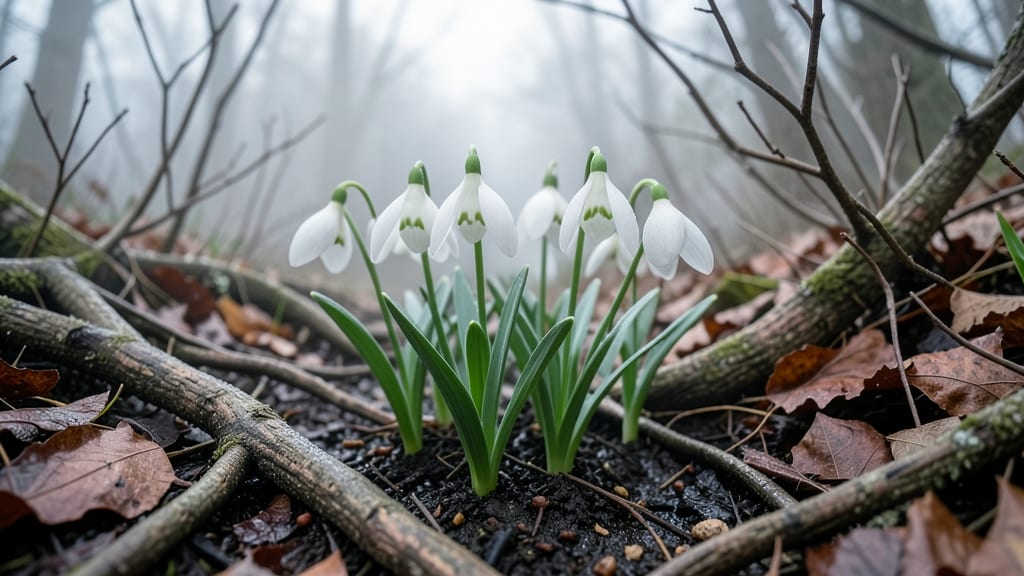
When winter’s first frost still lingers in the air, snowdrops (Galanthus) emerge like tiny messengers of hope, their delicate white blooms signaling the quiet return of spring. These early winter bloomers thrive in damp, shady spots where other plants struggle, making them perfect for naturalizing under trees or in woodland-style gardens.
Plant snowdrops in well-draining, moist soil and let them multiply over time—they’ll spread gently to create a carpet of white by late winter. Their slender, grass-like leaves provide year-round interest, while the flowers appear as early as December in mild climates or February in colder zones. Deer often avoid them, making them a low-maintenance choice for gardeners in rural areas.
Ideal for gardeners who love low-maintenance perennials with symbolic meaning, snowdrops bring beauty to shady corners while requiring almost no care. Their simple elegance makes them a must-have for winter gardens. 🌱
Crocus for Cheerful Purple and Yellow Stars
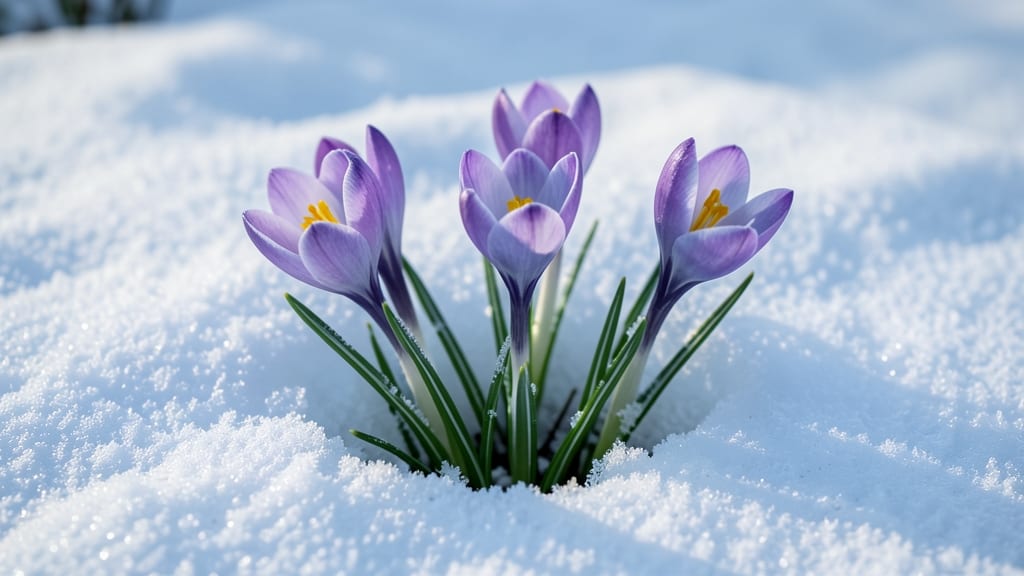
When you need a burst of color that defies winter’s grip, crocus bulbs punch through snow with their cheerful purple and yellow stars. Unlike many plants that retreat in cold weather, these hardy bulbs thrive in temperatures as low as 20°F, making them one of the first signs of spring—sometimes even blooming in late November or early December.
Plant them in full sun to partial shade in well-draining soil, and they’ll naturalize effortlessly in lawns, rock gardens, or meadows. Their early blooms attract bees and pollinators, giving winter-weary insects a vital food source. For best results, plant bulbs in fall (4-6 weeks before the first frost) and mulch lightly to protect them from extreme cold. They multiply over time, creating stunning carpets of color with minimal effort.
Perfect for beginner gardeners, urban spaces, or cottage-style gardens, crocus adds a touch of magic to any landscape—proving that winter doesn’t have to be colorless. 🌱
Winter Aconite for Golden Sunburst Blooms
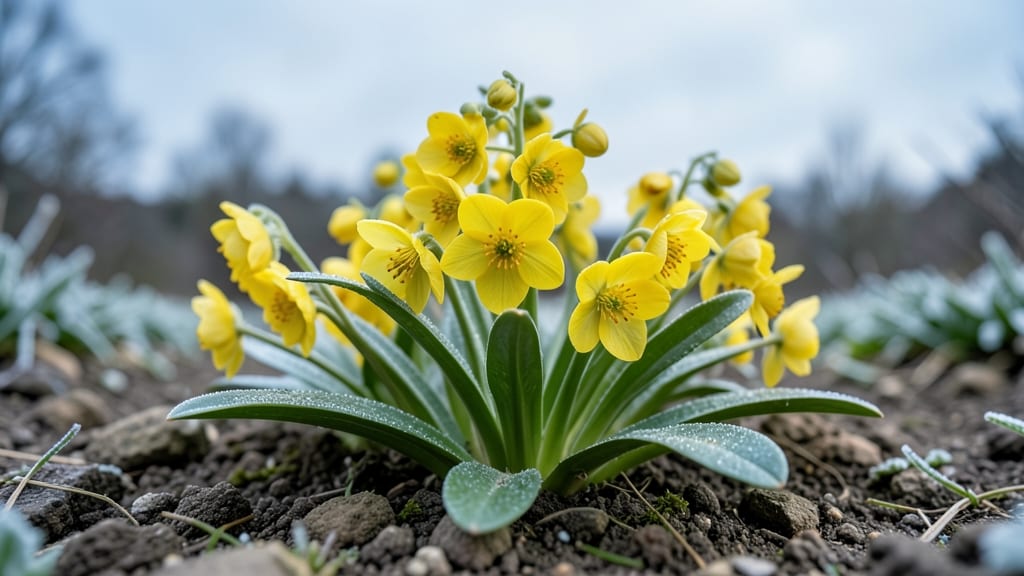
When your garden feels like it’s slipping into winter hibernation, winter aconite (Eranthis hyemalis) emerges like a golden beacon—its cheerful bright yellow blooms appear as early as November and persist through chilly months. Unlike finicky spring bloomers, this hardy perennial thrives in poor, rocky soil and partial shade, making it perfect for neglected corners or woodland gardens where other plants struggle.
Plant the tuberous roots in fall (they’ll bloom the following winter) and forget about them—they’re drought-tolerant once established and multiply over time. Their delicate, cup-shaped flowers contrast beautifully with evergreen foliage or bare branches, while the lobed leaves add textural interest. For best results, place them where their early blooms will catch morning sunlight filtering through trees.
Woodland gardeners and shade-lovers rejoice—winter aconite is your secret weapon for adding sunny cheer to dark corners without the fuss. It’s also deer-resistant, making it ideal for rural properties. 🌱
Camellia for Luxurious Red and Pink Winter Flowers

Transform your garden into a luxurious winter wonderland with camellias, the elegant evergreen shrubs that bloom from late fall through early spring. Their bold red and pink flowers stand out against glossy dark green leaves, creating a striking contrast that brightens chilly days and adds sophistication to any outdoor space.
Camellias thrive in partial shade to full sun (depending on your climate) and prefer well-draining, acidic soil—ideal for USDA Zones 7-10. Prune lightly after flowering to maintain shape, and water consistently during their first year to establish strong roots. For a dramatic effect, plant them as a hedge, focal point, or in large containers near patios or entryways.
Perfect for formal gardens, traditional landscapes, or even as a statement plant in containers, camellias bring timeless beauty to winter landscapes. Their long-lasting blooms make them a favorite for gardeners who crave both color and structure during the colder months. ✨