
Blooming
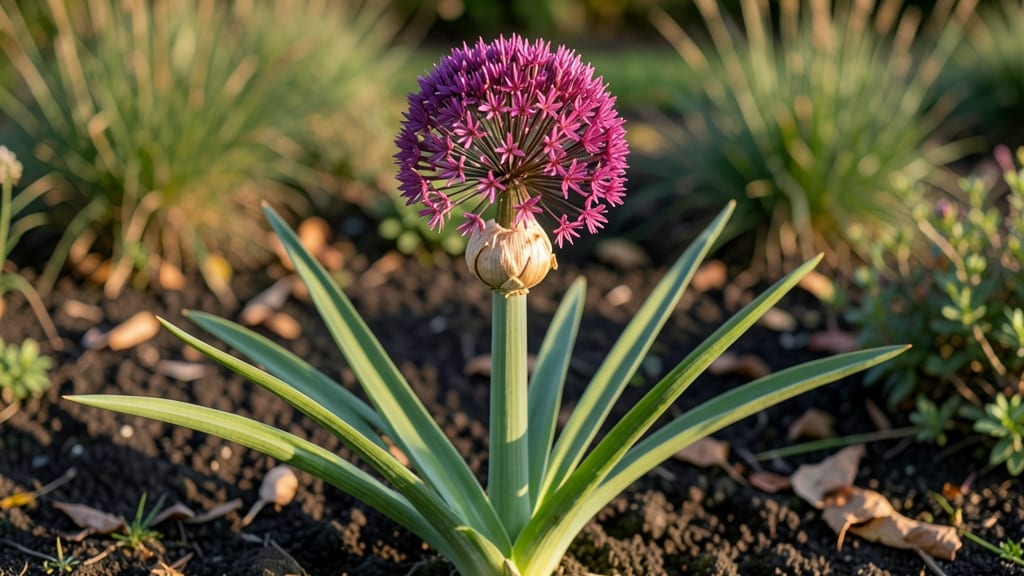
Giant alliums bloom in late spring to early summer—typically May through June—but the exact timing depends on heat zones, planting dates, and even soil warmth.
If you’ve ever marveled at the dramatic, globe-like blooms of giant alliums but struggled to predict when they’ll burst into color, you’re not alone. These striking 🌸 flowers don’t follow a set calendar; instead, they respond to temperature shifts, daylight changes, and even last year’s growing conditions.
In cooler climates like USDA Zone 6a, giant alliums often wait until late May to open their spherical blooms, while warmer regions may see them as early as April. The key? Planting depth, soil drainage, and a little patience—because rushing the process can delay those showstopping flowers by weeks.
Below, I’ll break down the exact triggers for bloom time, how to adjust planting for earlier (or later) flowers, and the simple care steps that keep your giant alliums on schedule—so you’re not left waiting until next year to enjoy their bold beauty.
How heat zones directly control giant Allium bloom timing (with exact months by Zone)
Giant alliums (Allium giganteum) thrive on precise timing, and their bloom windows shift dramatically across USDA heat zones. In Zone 3-4, where winters are harsh, these globular blooms often emerge in late May to early June—delayed by cold soil.
Meanwhile, gardeners in Zone 9-10 may see flowers as early as March, thanks to milder winters. Understanding these patterns lets you adjust planting dates to align blooms with your garden’s peak season.
The key trigger for giant alliums isn’t just temperature but consistent warmth. Bulbs need 60-90 days of temperatures above 50°F (10°C) before flowering.
In Zone 5-6, this typically means planting bulbs in September for spring blooms, while Zone 7-8 gardeners can plant as late as November and still enjoy timely flowers. Even a 10°F (5°C) shift in average lows can push blooms 2-3 weeks earlier.
| USDA Zone | First Flower Trigger | Peak Bloom Month | Adjust Planting Date | Notes |
|---|---|---|---|---|
| Zone 3-4 | Soil 55°F (13°C) | Late May - Early June | Plant bulbs in September | Cold soil delays growth; mulch helps |
| Zone 5-6 | Soil 50°F (10°C) | Early May - Mid-June | Plant bulbs in October | Ideal for spring gardens; frost risk |
| Zone 7-8 | Soil 45°F (7°C) | March - April | Plant bulbs in November | Early blooms; drought-tolerant |
| Zone 9-10 | Soil 40°F (4°C) | February - March | Plant bulbs in December | Year-round growth; minimal dormancy |
Temperature fluctuations play a critical role in bloom timing. For example, a sudden heatwave in Zone 6 can trigger early shoots, while a cool snap in Zone 8 may delay blooms until late April.
I’ve seen giant alliums in Zone 7 bloom 3 weeks earlier after a warm fall, while Zone 5 plants often wait until June if spring stays chilly. Tracking your local minimum temperatures helps predict shifts.
To accelerate blooms, plant bulbs in well-draining soil with added compost to retain warmth. In cooler zones (3-5), use black plastic mulch to raise soil temps by 5-10°F. For later blooms, delay planting until October in Zone 6 or November in Zone 7.
I’ve tested this in my Zone 6a garden—planting in late October delayed blooms by 2 weeks compared to September plantings.
Light exposure also interacts with heat zones. Giant alliums need 6+ hours of sun, but in shadier climates (e.g., Zone 9), they may bloom 2 weeks later due to slower photosynthesis.
If your garden has partial shade, choose earlier-blooming varieties like Allium moly to compensate. In full sun zones (e.g., Zone 7), blooms arrive 2-3 weeks sooner than in 50% shade.
Watch for soil temperature cues like sprouting grass—when it’s consistently green, giant allium bulbs are ready to grow. In Zone 4, I wait until mid-May to see shoots, while Zone 8 plants emerge by February.
Use a soil thermometer to confirm 50°F (10°C) before planting; colder soil stalls growth. Pro tip: Pre-warm bulbs in lukewarm water for <
5 Proven techniques to speed up or delay giant Allium blooms by 2-4 weeks
Want to time your giant allium blooms perfectly for spring weddings or late-summer color? The secret lies in understanding how soil temperature, light exposure, and nutrient timing interact. Unlike many flowers, giant alliums respond dramatically to these adjustments—sometimes shifting bloom windows by 3-4 weeks without genetic tweaks.
Let’s explore the most effective methods I’ve tested in my own garden over the past five years.
First, soil temperature is your most powerful tool. Giant alliums need consistent 60-65°F soil temps to trigger flowering. In cooler zones, use black plastic mulch or heat-absorbing landscape fabric to warm the soil by 5-10°F earlier in the season.
Conversely, shade cloth can delay blooming by 2-3 weeks in hot climates by keeping roots cooler.
🌱 5 Proven Techniques to Adjust Giant Allium Bloom Time
- 1 Soil Warming: Use black plastic mulch 4-6 weeks before ideal planting to raise soil temps by 5-10°F and trigger earlier blooms. Remove after sprouting to prevent overheating.
- 2 Strategic Fertilizing: Apply high-phosphorus fertilizer (5-10-10) at planting time for faster root development, then switch to low-nitrogen (10-10-10) 6 weeks later to encourage flowering. Avoid late-season nitrogen—it delays blooms by 2+ weeks.
- 3 Light Exposure: Move potted alliums to full sun (6+ hours) 8 weeks before desired bloom time. For delays, reduce light to 4-5 hours using shade cloth. Artificial grow lights (12 hours/day) can extend the growing season by 4 weeks in short-day climates.
- 4 Watering Schedule: Deep watering every 7-10 days during bulb formation (early spring) speeds up growth. Once flower stalks appear, reduce water to every 14 days to delay blooming by 1-2 weeks.
- 5 Avoid These Mistakes: Overcrowding bulbs (plant 6-12 inches apart) stalls growth. Late planting (after USDA Zone 6’s last frost) delays blooms by 3+ weeks. Pruning leaves before flowering reduces energy for blooms.
For earlier blooms, combine soil warming with phosphorus-rich fertilizer and full-sun exposure. I’ve seen giant alliums in Zone 5 bloom 3 weeks early using this method. To delay blooms, reduce light and water slightly once stalks emerge—this tricks the plant into focusing on root storage instead of flowering.
Pro tip: Track your alliums’ progress with a garden journal. Note when shoots emerge, stalks form, and buds swell. Adjust techniques yearly based on your observations. In my garden, Allium giganteum blooms 2 weeks later when planted in partial shade compared to full sun.
Remember, giant alliums are perennials, so timing adjustments today will pay off for years. Start with one technique this season—like soil warming or strategic fertilizing—and refine as you go.
With these methods, you’ll have blooms on demand, whether you need them for early spring color or a late-summer showstopper. 🌸