
Flowers
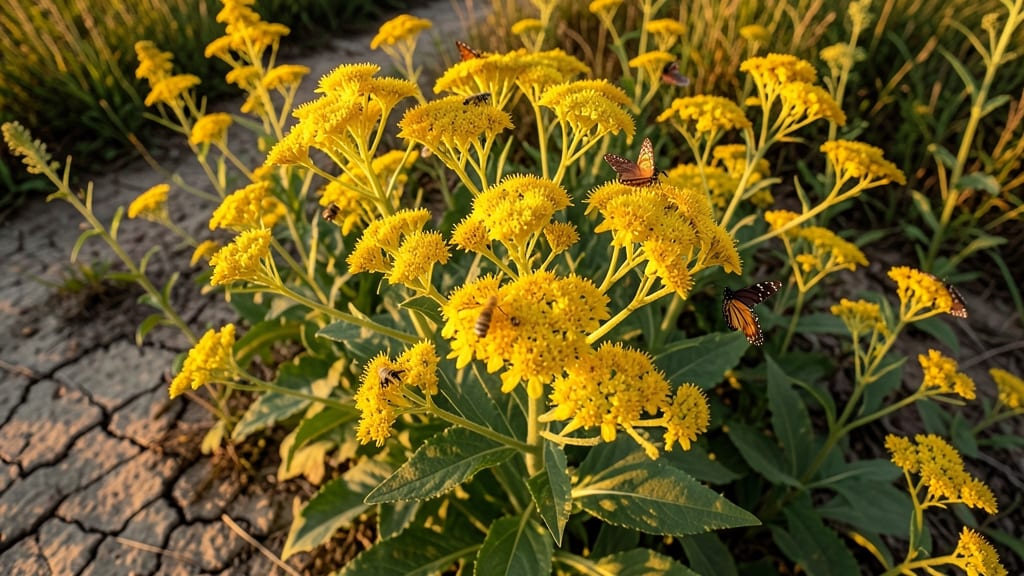
Transform your Zone 6 garden into a vibrant, low-maintenance summer paradise with these sun-loving flowers that thrive in drought conditions and bloom nonstop. Perfect for busy gardeners who want color without constant care.
Black-Eyed Susan: Golden Cheer for Pollinators
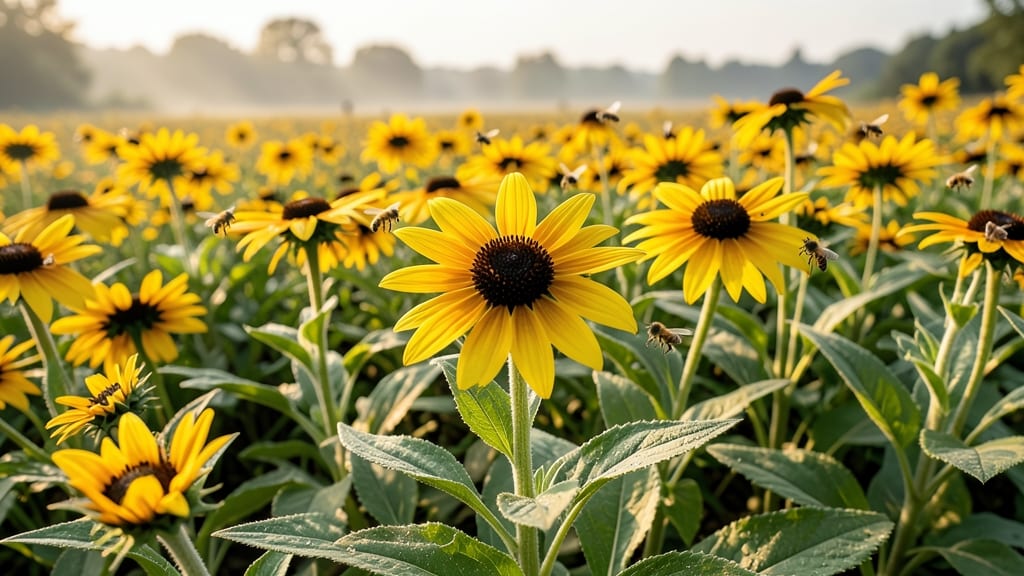
If you're looking for a pollinator powerhouse that thrives in Zone 6’s hot summers without fuss, Black-Eyed Susan (Rudbeckia hirta) is your golden ticket. This native perennial bursts into cheerful yellow blooms from midsummer through fall, turning your garden into a buzzing hub for bees, butterflies, and hummingbirds.
Once established, it’s nearly indestructible—happy in poor, rocky soil and needing only occasional watering. Plant it in full sun for the most vibrant blooms, and deadhead spent flowers to encourage continuous blooming. Its drought tolerance makes it perfect for water-wise gardens, while its cottage-garden charm adds rustic appeal.
Black-Eyed Susan is especially rewarding for beginner gardeners and those creating pollinator-friendly spaces. Just one clump can multiply over time, filling your garden with golden cheer year after year. 🌻
Coneflower: Purple Beauty for Drought-Prone Beds
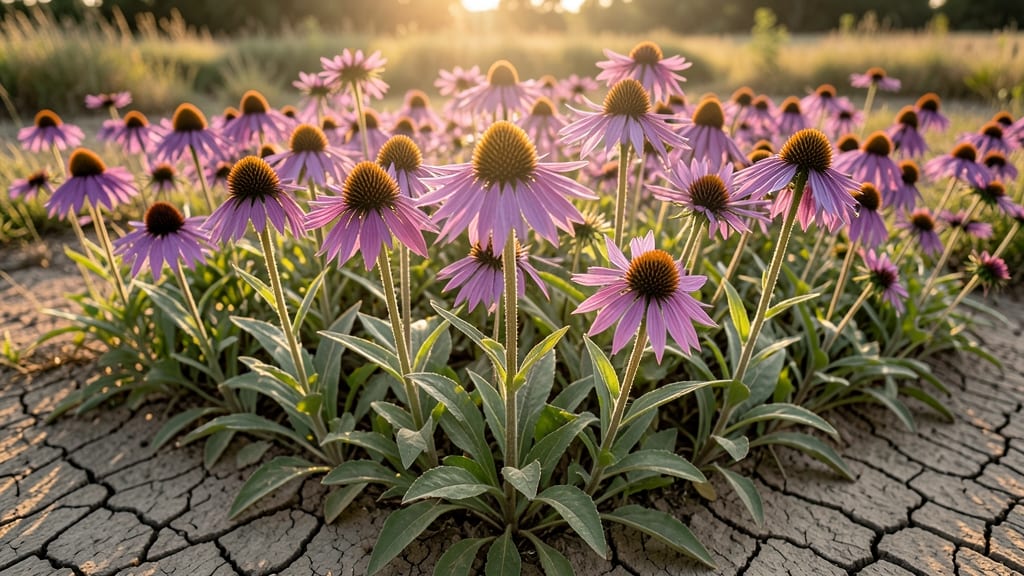
If you're dreaming of a low-maintenance garden that thrives on neglect, purple coneflower (Echinacea) is your secret weapon. This hardy perennial doesn't just survive drought—it flourishes in it, offering months of blooms from early summer through fall while requiring almost no extra water once established.
Beyond its striking daisy-like flowers that come in shades of purple, pink, and white, coneflower has a hidden superpower: its roots have been used in traditional medicine to support immune health. Plus, the seed heads provide a winter food source for birds, making it a dual-purpose plant for both your vase and your feathered friends. Plant it in full sun with well-draining soil, and watch it become the star of your cutting garden.
This is the perfect choice for beginners, urban gardeners with limited space, or anyone who wants a long-lasting flower that rewards minimal effort. 🌻
Russian Sage: Lavender Haze for Xeric Gardens
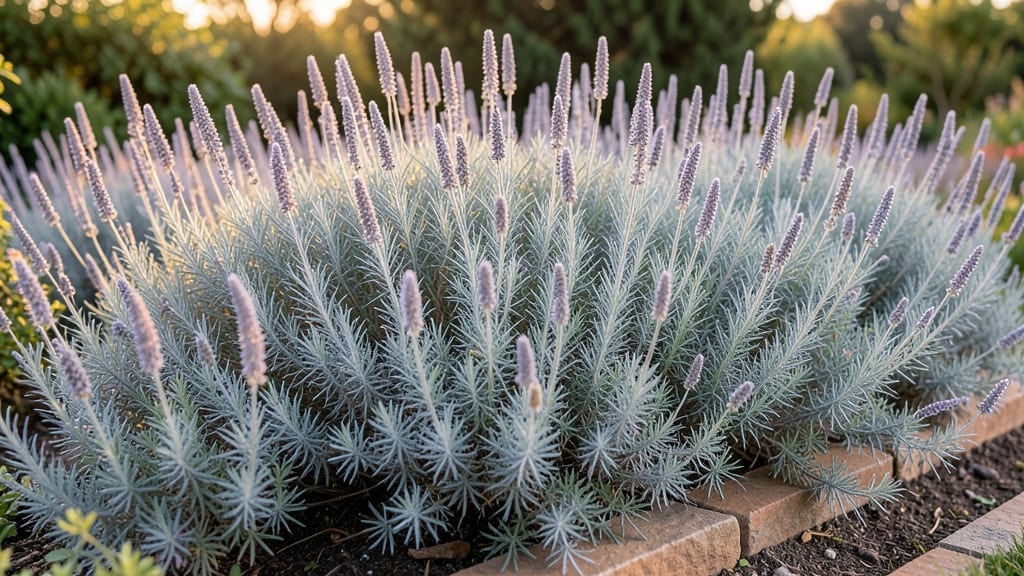
Looking for a drought-tolerant flower that adds soft texture and effortless beauty to your Zone 6 garden? Russian sage (Perovskia atriplicifolia) delivers lavender-blue haze that thrives in dry soil, repels deer, and deters pests—making it the perfect low-maintenance star for borders and large-scale planting.
This hardy perennial reaches 3-5 feet tall with silvery-green foliage that contrasts beautifully with its airy flower spikes. Plant it in full sun and water sparingly after establishment—it’s one of the most xeric-friendly perennials for hot, dry climates. Prune back in early spring to encourage bushier growth and extend blooming from mid-summer to fall.
Gardeners with deer pressure or limited water will love how Russian sage thrives with almost no care. Pair it with salvia or lavender for a fragrant, pest-resistant border that hums with pollinators. 💚
Salvia Nemorosa: Purple Spires for Full-Sun Spots
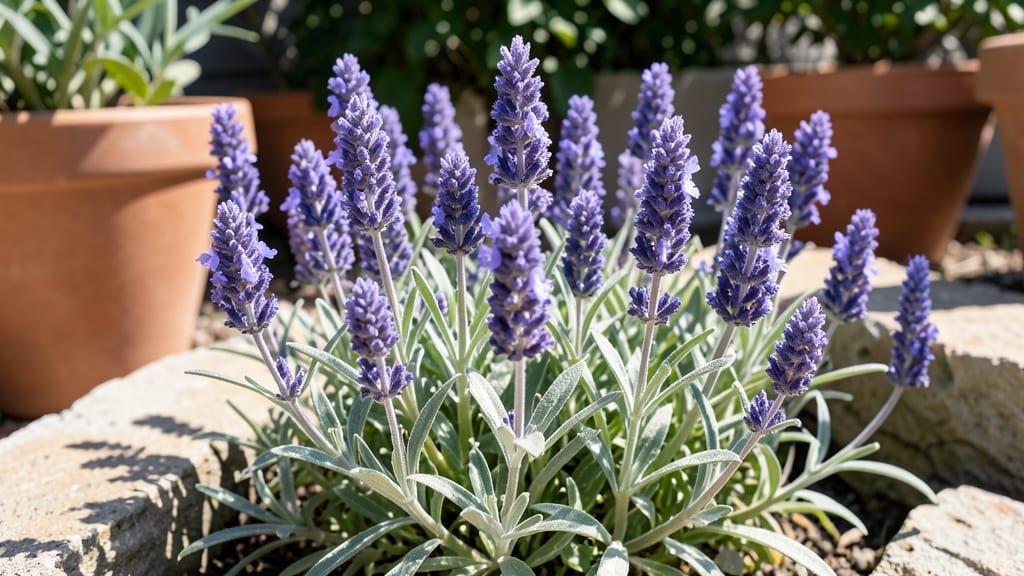
Tired of invasive plants stealing your garden space? Salvia nemorosa delivers weeks of purple blooms without spreading—its clumping habit makes it ideal for containers, narrow beds, and urban gardens where space is limited.
This drought-tolerant perennial thrives in hot, dry conditions with just 6 hours of sun daily and minimal watering once established. Deadhead spent blooms to encourage continuous flowering from early summer through August, and watch hummingbirds flock to its vertical spikes. The deep green basal rosette stays tidy year-round, requiring no pruning beyond occasional tidying.
Perfect for city balconies, courtyard gardens, and mixed borders, Salvia nemorosa combines beauty with practicality—no fuss, no mess, just season-long color. 💚
Blanket Flower: Fireworks of Orange and Red
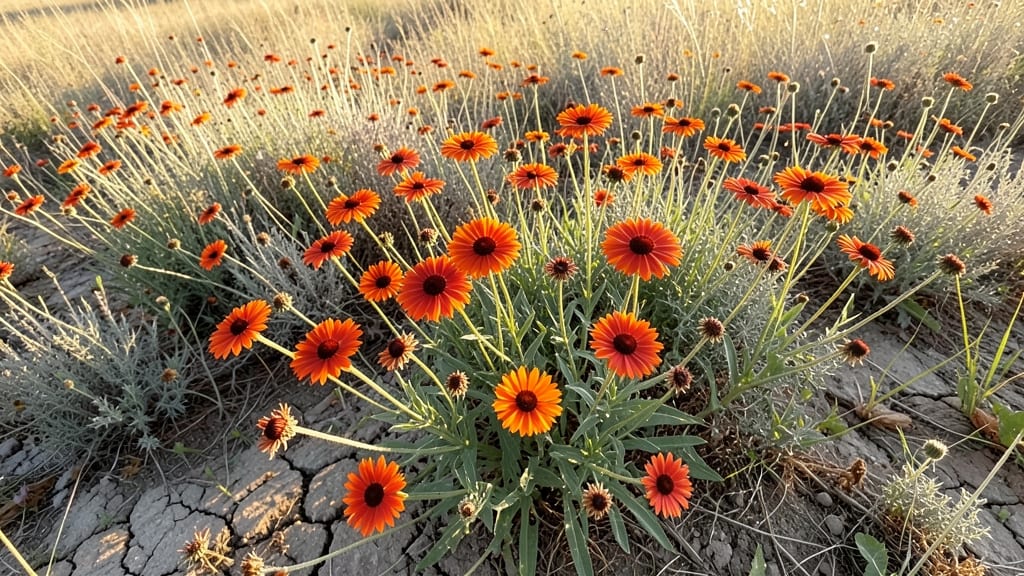
Want a low-maintenance flower that throws a year-round color party with almost no effort? Blanket Flower (Gaillardia) delivers fiery orange and red blooms that thrive in Zone 6’s scorching summers and beyond. Unlike many annuals, it self-seeds generously, creating naturalized drifts that multiply each year—no replanting required!
This heat-loving annual handles full sun and poor soil with ease, making it perfect for wildflower meadows or sunny borders where other plants wilt. Plant seeds in early spring or fall for blooms from June through frost, and watch as cheerful flowers attract pollinators while repelling deer. Its drought tolerance means you’ll spend less time watering and more time admiring its bold display.
Blanket Flower is a dream for beginner gardeners and those with hot, dry spaces—just scatter seeds and let nature take over. 🌻
Daylily: Rugged Perennial with Endless Varieties
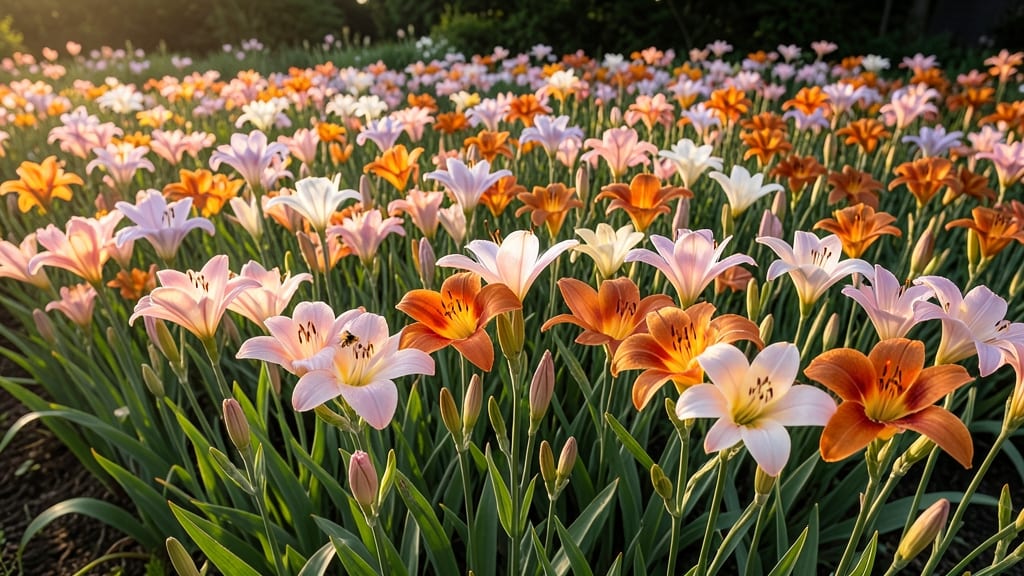
When you need a perennial powerhouse that delivers nonstop summer color with almost zero effort, daylilies (Hemerocallis) are the answer. With over 20,000 cultivars—ranging from soft pastels to fiery oranges—you’ll find a bloom to match every garden style, all while thriving in Zone 6’s heat and drought once established.
These rugged survivors handle poor soil, humidity, and even urban pollution, making them ideal for rain gardens, mixed borders, or containers. Plant them in full sun to partial shade and water moderately during establishment—after that, they’ll reward you with weeks of blooms per season. Plus, their strappy foliage adds texture year-round, even when flowers fade.
Gardeners with limited time or water will love daylilies—they’re deer-resistant, low-maintenance, and budget-friendly (many cultivars cost under $10 per plant). Mix them with coneflower or black-eyed Susan for a pollinator-friendly summer display that keeps blooming until frost. 🌻
Yarrow: Fern-Like Foliage with Flat-Topped Blooms
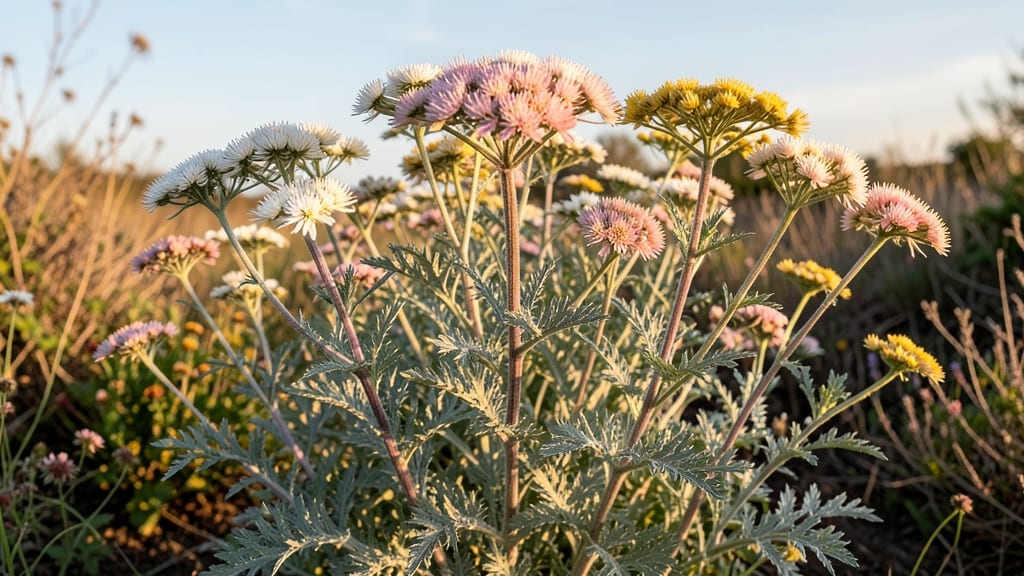
Want a low-maintenance perennial that thrives in Zone 6’s toughest conditions while adding a touch of history to your garden? Yarrow (Achillea millefolium) delivers flat-topped blooms in white, pink, or yellow and fern-like foliage that stays lush even in poor soil—making it perfect for prairie-style plantings and wildflower meadows.
This hardy plant has been used for centuries in traditional medicine for its wound-healing properties, but its real magic lies in the garden. Drought-tolerant once established, yarrow attracts beneficial insects like ladybugs and lacewings, helping control pests naturally. Plant it in full sun with well-draining soil, and enjoy months of blooms from early summer through fall. Cut back spent flowers to encourage more blooms, and watch it spread effortlessly—though it’s not invasive, it’s happy to naturalize.
Ideal for beginner gardeners, pollinator enthusiasts, and prairie-style landscapes, yarrow adds both beauty and function to your garden with almost no care. 🌱
Lavender: Fragrant Purple Spikes for Pollinators
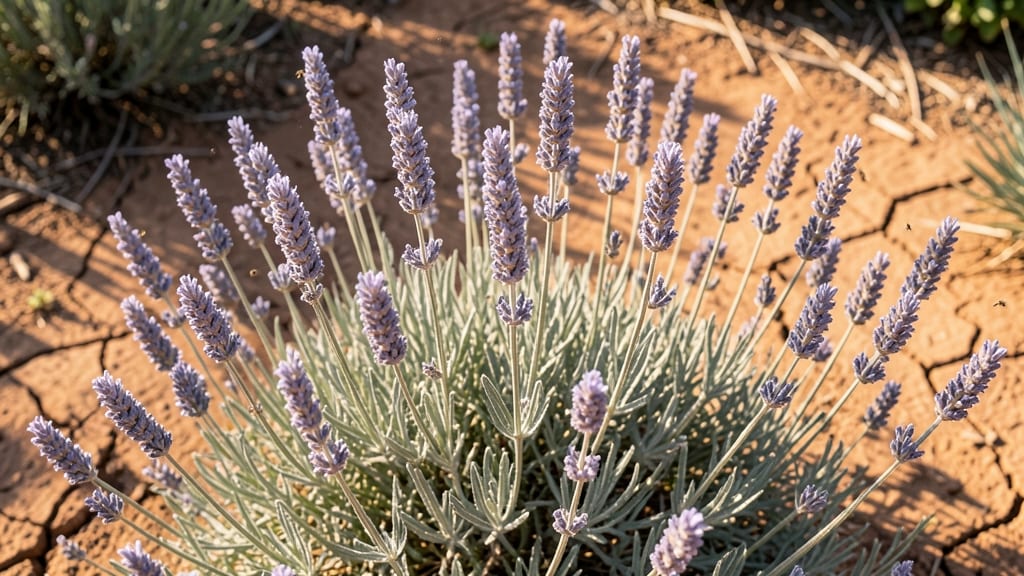
Craving a fragrant, fuss-free addition to your Zone 6 garden that doubles as a mosquito repellent? English lavender (Lavandula angustifolia) is your multi-purpose hero—its drought-tolerant spikes thrive in dry soil while emitting a calming scent that keeps pesky bugs at bay. Unlike water-hungry flowers, lavender flourishes in full sun with minimal care, making it ideal for herb gardens, sensory landscapes, or even container pots on patios.
Plant it in well-draining soil (amend clay with sand if needed) and water sparingly—once established, it needs almost no extra moisture. Prune lightly after blooming to maintain shape, and harvest stems for sachets or culinary uses. Deer-resistant and pollinator-friendly, lavender also attracts bees while keeping your outdoor space naturally aromatic. Its silvery foliage adds texture year-round, even when not in bloom.
Perfect for herb gardeners, urban growers, or anyone seeking a low-maintenance plant with dual benefits, lavender transforms any space into a fragrant retreat. 🌿
Bee Balm: Bold Red Blooms for Hummingbirds
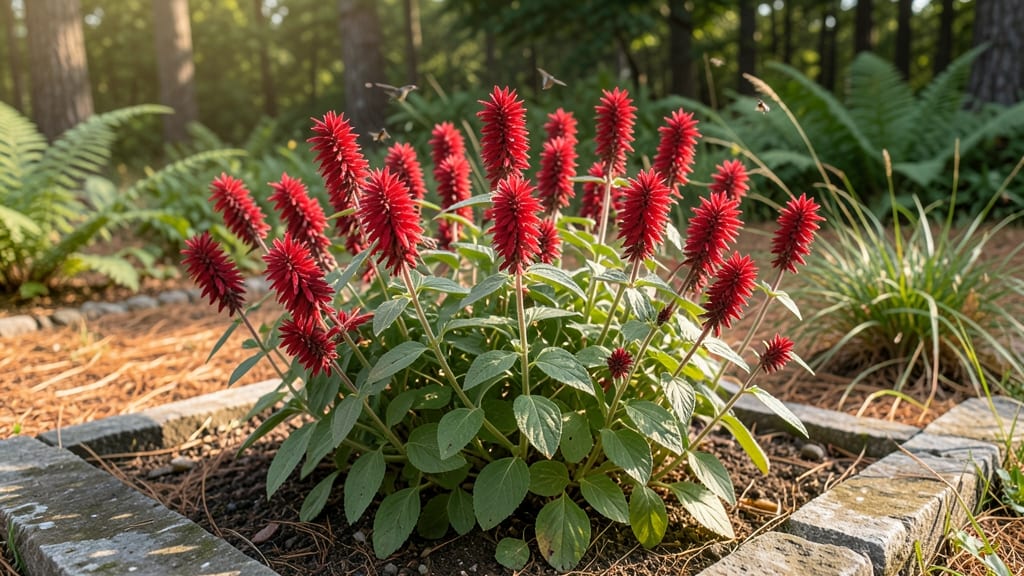
Want to turn your garden into a hummingbird hotspot without sacrificing beauty? Bee balm (Monarda) delivers vibrant red blooms that double as a pollinator magnet, thriving in everything from moist woodland edges to dry cottage garden beds. Its tubular flowers are specifically designed to lure hummingbirds, while the fragrant foliage attracts bees—making it the ultimate dual-purpose plant for naturalistic spaces.
This hardy perennial handles moist to dry soil and full sun to partial shade, giving you flexibility in placement. Plant in clusters for maximum impact, and deadhead spent blooms to encourage continuous flowering from mid-summer through fall. Just be prepared for its tendency to spread—it’s a generous self-seeder that will naturalize beautifully over time.
Perfect for cottage gardeners, pollinator enthusiasts, and those creating wildflower meadows, bee balm adds bold color while supporting local ecosystems. 🌻
Goldenrod: Late-Season Pollinator Magnet

If you’ve ever blamed goldenrod for your fall allergies, think again—this bright yellow perennial is actually a pollinator superhero that blooms when most gardens fade. While ragweed (the real culprit) goes unnoticed, goldenrod provides critical late-season nectar for bees and butterflies struggling to find food as temperatures drop.
Plant Solidago spp. in full sun for 3-5 feet of arching stems that burst with tiny yellow blooms from August through October. Its drought tolerance makes it perfect for water-wise gardens, and it thrives in poor soil where other plants struggle. Leave the seed heads for winter interest and wildlife—birds will feast on them while your garden stays vibrant until frost.
This is the ideal choice for low-maintenance gardeners who want fall color without extra work. Goldenrod’s cheerful blooms will keep your sunny borders buzzing long after summer flowers have faded. 🌻