
Blooming
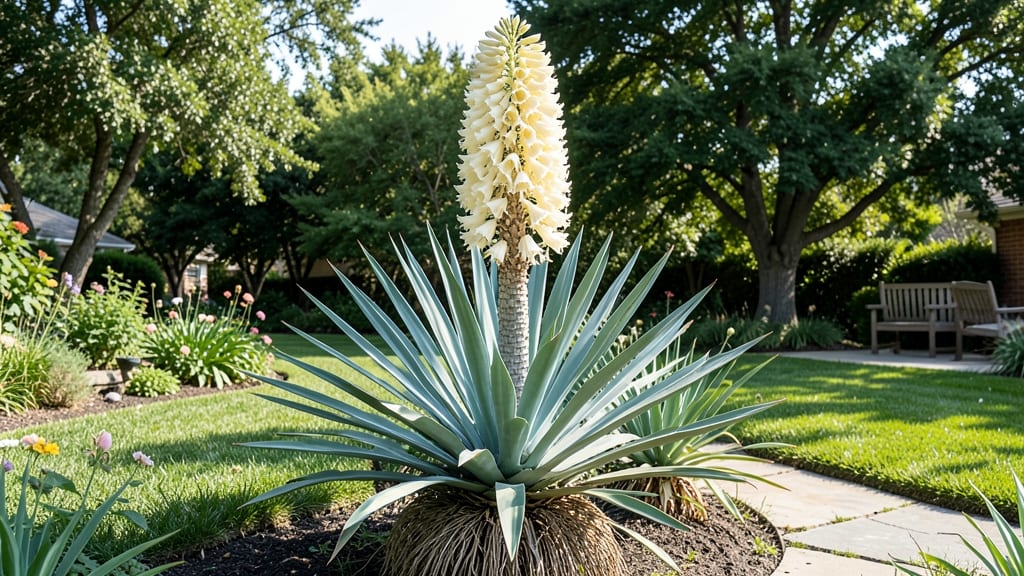
That first purple bloom stalk shooting up from your yucca plant’s center is nature’s way of saying, "I’m ready to shine." 🌿 The bloom stalk—often ignored until it’s too late—holds the secret to your yucca’s most dramatic show.
But here’s the thing: not all stalks are created equal, and pruning them wrong can mean no blooms next year.
A healthy bloom stalk starts as a thick, sturdy shoot in spring, often after your yucca’s dormant winter rest. If it’s thin, leggy, or appears after a long drought, your plant might be stressed.
The goal? Encourage strong stalks by watering deeply once a week (less in winter) and fertilizing lightly in early spring. Overwatering or too much nitrogen? That’s how you get lush leaves but no flowers.
When the stalk reaches 12-18 inches, it’s time to decide: let it bloom or prune for shape. If you cut it back too early, you risk stunting next year’s growth.
Wait until after flowering (or if it’s weak) to trim at the base—never mid-stalk. The right cut keeps your yucca bushy and ready to repeat the process.
This works for yucca rostrata, yucca filamentosa, and even container-grown varieties. The key? Patience. A well-cared-for yucca can produce 2-3 stalks per season, turning your patio into a purple paradise. Let’s get those spikes standing tall.
📚 In This Guide
- What you need
- Instructions
- Tips and common mistakes
- Wrapping up and next steps
What you need
- ● Pruning shears or sharp bypass pruners – Sterilized, with a 4- to 6-inch blade for clean cuts (avoid dull tools that crush stems!).
- ● Rubbing alcohol (70% or higher) – 1 small bottle (for sterilizing tools between cuts).
- ○ Horticultural pruning sealant – Optional but recommended (e.g., Tree Seal or Tanglefoot) to prevent disease entry.
- ● Gloves (gardening or cut-resistant) – 1 pair (yucca leaves can be spiky!).
- ● Disposable pruning bag or bucket – Medium-sized (for collecting trimmings).
- ● Measuring tape or ruler – 12-inch minimum (to gauge stalk height before pruning).
- ● Spray bottle with water – 8 oz (for misting cuts post-prune).
- ● Compost bin or yard waste bag – For disposing of healthy trimmings (yucca is non-toxic!).
- ○ Garden twine or zip ties – Optional (to support tall stalks if needed).
- ● Slow-release fertilizer (balanced, 10-10-10) – 1 small bag (for post-prune feeding).
How to prune yucca bloom stalks for continuous purple flowering
Here's my battle-tested method for keeping your yucca blooming like clockwork—no dead stalks, just endless purple spikes.
✂️ Step 1: Identify the Right Time to Prune
Wait until the bloom stalk has fully finished flowering and turned completely brown. You'll know it's ready when the entire stalk looks crispy and dry to the touch—no green remaining at the base. Cutting too early removes next year's potential bloom, while waiting too long risks attracting pests to the dead growth.
I use sharp, sterilized pruning shears to make a clean cut about ½ inch above the ground. This prevents the plant from wasting energy on a stub that won't regrow. The key is patience—rushing this step means missing the perfect window for regrowth.
🌱 Step 2: Sterilize Tools and Remove Debris
Before touching your yucca, wipe your pruners with rubbing alcohol to kill any bacteria or fungi. Yuccas are tough, but they're not immune to infections from dirty tools. Remove all dead leaves and stems around the base—these can harbor pests or disease.
I like to rake away the fallen debris within a 12-inch radius of the plant. This improves airflow and reduces moisture buildup, which is crucial for preventing rot. The cleaner the base, the faster your yucca recovers and prepares for new growth.
☀️ Step 3: Encourage New Growth with Proper Aftercare
After pruning, give your yucca a balanced fertilizer with equal parts nitrogen, phosphorus, and potassium. I use a slow-release granular formula spread evenly around the base. Water deeply right after fertilizing to help nutrients reach the roots.
Place the plant in full sun for at least 6 hours daily—yuccas need bright light to regenerate. You'll see new growth emerging from the base within 4-6 weeks, often signaled by a small, tight rosette of leaves. This is your plant's way of telling you it's ready for another bloom cycle.
⏰ Step 4: Monitor for New Bloom Stalks
Watch for a new stalk emerging from the center of the plant—it'll start as a small, upright shoot. I check my yuccas weekly during spring and summer, as this is when they typically produce new blooms. The stalk will grow rapidly, often reaching 3-4 feet tall before flowering.
Once the new stalk reaches 12-18 inches, it's time to provide support if needed. A small bamboo stake keeps it upright, especially in windy conditions. The first flowers usually appear after 8-10 weeks of growth, so be patient—rushing this process can stress the plant.
Tips & tricks for perfect yucca bloom stalk pruning
These battle-tested tricks will help you keep your yucca blooming like clockwork—no dead stalks, just endless purple spikes.
Timing Secret: The crispy, dry touch test in Step 1 is your golden rule—if there's even a hint of green, wait. I've seen gardeners rush this step and end up with a yucca that skips its next bloom entirely. Think of it like waiting for a fruit to ripen fully before picking; patience here means more flowers later. The ½-inch cut above ground is equally critical—any lower, and you risk damaging the plant's energy reserves for next year's growth.
Tool Preparation: Sterilizing your pruners with rubbing alcohol in Step 2 isn't just about cleanliness—it's about giving your yucca the best possible chance to recover. I've seen fungal infections creep in when tools weren't properly sanitized, turning a simple pruning job into a plant health crisis. For the 12-inch debris clearance, use a small hand rake or even your fingers (wearing gloves) to gently remove all dead material. This isn't just about looks; improved airflow at the base prevents that dreaded rot that can kill your plant's growth potential.
Fertilizer Strategy: When you apply that balanced fertilizer in Step 3, focus on the root zone—not just around the base. I like to create small trenches about 2 inches deep and place the granules there before backfilling with soil. This ensures nutrients go where they're needed most. Pair this with the 6 hours of daily sun requirement, and you're creating the perfect conditions for that 4-6 week recovery period to work its magic. The tight rosette of leaves you'll see emerging is your plant's way of saying "thank you" for the care.
Growth Monitoring: That weekly check in Step 4 during spring and summer is your secret weapon. I keep a small notebook where I record new stalk growth—it helps me track patterns and predict bloom times. When your stalk hits 12-18 inches, that's when you can safely introduce support. I've found bamboo stakes work best because they're lightweight yet sturdy enough to handle occasional wind. The 8-10 week window to flowering is your reward for patience—don't rush it, or you'll stress the plant and potentially delay those stunning purple spikes.
Pro Tips for Yucca Plant Bloom Stalk
- These battle-tested tricks will help you keep your yucca blooming like clockwork—no dead stalks, just endless purple spikes.
- Timing Secret: The crispy, dry touch test in Step 1 is your golden rule—if there's even a hint of green, wait.
- Tool Preparation: Sterilizing your pruners with rubbing alcohol in Step 2 isn't just about cleanliness—it's about giving your yucca the best possible chance to recover.
Frequently asked questions
When should I prune a yucca bloom stalk after it dies back?
Prune the dead stalk in late winter or early spring (just before new growth starts). This timing ensures you’re not cutting back fresh foliage by mistake. Avoid pruning in fall—your plant needs energy to store nutrients for winter. Pro tip: Wear gloves! Yucca leaves have sharp edges.
How long does a yucca plant bloom stalk take to grow?
A yucca bloom stalk typically emerges in spring and can take 4–8 weeks to fully develop, depending on your plant’s health and species. Some varieties (like Yucca filamentosa) may bloom sooner, while others (like Yucca rostrata) take longer. Patience pays off—those purple spikes are worth the wait!
Can I cut a yucca bloom stalk while it’s still green?
No—never prune a live, green stalk. Cutting it too early removes the plant’s energy source and can stress it. Wait until the stalk turns brown and crispy (usually after blooming or in late winter). If you’re unsure, snap a branch—if it’s dry, it’s safe to prune!
What if my yucca plant never produces a bloom stalk?
Don’t panic! Yuccas bloom sporadically (often every 2–5 years). Boost chances by:
- Ensuring full sun (6+ hours daily).
- Using well-draining soil (they hate soggy roots!).
- Fertilizing lightly in spring with a low-nitrogen formula.
Can I propagate from a cut yucca bloom stalk?
Yes! After pruning the dead stalk, you can divide the base (if it’s large enough) or try rooting a small section. Here’s how:
- Cut a 4–6 inch section from the base with a clean knife.
- Let it callus for 1–2 days (place in shade).
- Plant in sandy soil and keep moist (not soggy).
Wrapping up and next steps
Watching your yucca plant bloom stalk transform into vibrant purple spikes is a rewarding experience! With the right pruning techniques—like timing cuts, sterilizing tools, and supporting new growth—you can enjoy year-round blooms. Don’t hesitate to experiment with care routines to find what works best for your plant.
Ready to elevate your yucca’s beauty? Start by monitoring its health post-pruning and share your progress with fellow plant enthusiasts. Happy gardening! 🌿✨