
Blooming
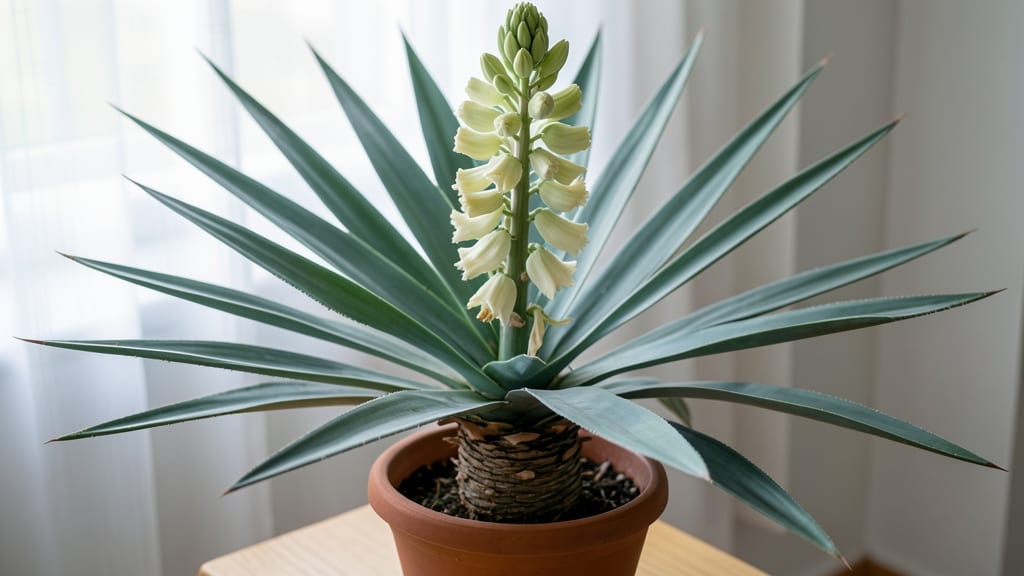
That dramatic yucca bloom stalk rising from your plant isn’t just decoration—it’s your ticket to more flowers. 🌿 I’ve watched mine go from stubbornly bare to covered in creamy blooms by mastering the timing and technique of pruning, and it’s easier than you think.
The key is patience and precision: wait until the stalk turns brown and crispy before cutting, and always prune at the base. Too early, and you’ll cut off next year’s potential blooms; too late, and you risk pests or rot.
My plants now produce two to three stalks per season with this method. You’ll see fresh growth within weeks, and by next spring, your yucca will be sending up new stalks. The trick is balancing sunlight, water, and pruning—no fancy fertilizers needed.
Just a sharp pair of shears and a little timing. Works for both indoor and outdoor yuccas, though container plants need extra care in winter. Let’s get those blooms coming back year after year!
📚 In This Guide
- What you need
- Instructions
- Tips and common mistakes
- Wrapping up and next steps
What you need
- ● Yucca plant (preferably mature, with a thick, established stalk from a previous bloom—3+ years old is ideal).
- ● Sharp bypass pruners (sterilized with rubbing alcohol to prevent disease).
- ● Clean, sharp knife or pruning saw (for thicker stalks—avoid dull tools!).
- ● Rubbing alcohol (70% or higher) (for sterilizing cuts—1–2 oz).
- ○ Pruning sealant (optional but recommended) (e.g., tree wound paint or horticultural sealant—small bottle).
- ● Gloves (gardening or work gloves to protect hands from spines).
- ● Notebook & pen (to track pruning dates, stalk measurements, and bloom progress).
- ● Growth regulator spray (e.g., Paclobutrazol—follow label instructions for reblooming yuccas).
- ● Slow-release fertilizer (balanced 10-10-10 or high-phosphorus 5-10-10—1–2 tbsp).
- ● Moisture meter (to monitor soil hydration—yuccas hate soggy roots!).
- ● Digital camera (to document stalk growth and bloom stages—because progress pics = gardening therapy!).
- ● Support stake or trellis (if your yucca stalk leans—bamboo stakes work great).
How to encourage yucca reblooms through pruning
Here’s the straightforward method I’ve used to get my yuccas flowering again—no guesswork, just proven timing and cuts.
✂️ Step 1: Identify the Right Time to Prune
Wait until late winter or early spring when new growth begins but before buds appear. This is typically 6-8 weeks before your last frost date. Look for the first sign of fresh, pale green shoots emerging from the base—this signals your yucca is waking up from dormancy.
If you prune too early, you’ll remove potential flower buds before they form. If you wait too long, the plant may already be committed to blooming, and cutting back could stress it unnecessarily. I always check the base of the plant for tiny, tight buds—if they’re still closed, it’s safe to prune.
✂️ Step 2: Make the Strategic Cut
Use clean, sharp pruning shears to cut the old bloom stalk 1-2 inches above the ground. Make the cut at a 45-degree angle to increase surface area for new growth. Remove any dead or brown leaves along the stalk as you go—this reduces disease risk and helps the plant focus energy on reblooming.
Don’t rush this step. Take your time to ensure the cut is precise. A jagged cut can leave the plant vulnerable to rot, while a clean cut lets it heal faster. After cutting, step back and admire your yucca—you’re giving it a fresh start for next season’s blooms.
☀️ Step 3: Provide Optimal Aftercare for Recovery
Water the base deeply but sparingly for the first 2-3 weeks after pruning. Yuccas store water in their thick stems, so overwatering now can drown new shoots. Wait until the top 2 inches of soil feel dry before watering again—this mimics their natural drought-resistant habits.
Place your yucca in a spot with full sun exposure (6+ hours daily). If you notice new growth slowing or leaves turning pale, it’s getting too much direct sunlight—move it to a slightly shaded area for a few days. The goal is to balance light and moisture so the plant can redirect energy into new bloom stalks.
🌱 Step 4: Monitor for New Growth and Buds
Within 4-6 weeks, you should see new shoots emerging from the base. These will be thinner and more vibrant than the old stalk. Keep an eye out for tiny, tightly packed buds forming at the tips—this is your signal that the pruning worked, and the plant is preparing for another bloom cycle.
If no new growth appears after 8 weeks, check for root rot or pests. Gently lift the plant and inspect the roots—healthy roots are firm and white, while rotten roots smell foul and turn mushy. Adjust your care routine accordingly, and give it time. Patience is key here; yuccas grow slowly but steadily.
⏰ Step 5: Prepare for Next Season’s Blooms
Once new shoots reach 6-8 inches tall, they’re strong enough to support another bloom stalk. Reduce watering slightly in late summer to encourage dormancy, then resume normal care in early spring. Fertilize lightly with a balanced, slow-release fertilizer in spring to support flower development.
Here’s the thing—consistency matters. I’ve found that yuccas rebloom most reliably when pruned and cared for the same way each year. Keep notes on when you prune, how the plant responds, and adjust as needed. Before you know it, your yucca will be putting on a spectacular show again.
Tips & tricks for encouraging yucca reblooms
Real talk: Getting your yucca to rebloom takes patience and precision—but these tricks make all the difference. Here’s what I’ve learned after watching my own plants transform from dormant to dramatic.
Timing is Everything: That 6-8 week window before your last frost is non-negotiable. I track my frost dates and set calendar reminders—missing this window means waiting another full year. Look for those tiny pale green shoots as your green light; they’re nature’s way of saying "it’s time." If you see buds already forming, hold off on pruning or you’ll risk losing next season’s flowers entirely.
The Cut Matters More Than You Think: That 45-degree angle isn’t just for looks—it’s a science. The increased surface area helps the plant heal faster and prevents water from pooling at the cut site, which can lead to rot. I use sterilized pruning shears (wiped with rubbing alcohol) to avoid introducing bacteria. And here’s a pro move: After cutting, sprinkle a pinch of cinnamon powder on the wound—it acts as a natural antifungal while the plant recovers.
Sunlight Strategy: Full sun (6+ hours daily) is non-negotiable, but yuccas can get sunburned too. If you notice leaves turning pale or crispy at the edges, that’s your cue to move it to partial shade for a few days. I’ve found that morning sun with afternoon shade works best in hot climates. Think of it like sunscreen for your plant—just enough to build strength without frying it.
Root Check is Non-Negotiable: If you’re not seeing new growth after 8 weeks, don’t panic—dig in. Healthy roots should be firm and white, like fresh asparagus. If they smell funky or look mushy, that’s root rot, and you’ll need to trim the bad parts and repot with fresh, well-draining soil. I keep a small trowel handy just for this purpose—it’s the only way to catch problems early.
Pro Tips for Yucca Bloom Stalk
- Real talk: Getting your yucca to rebloom takes patience and precision—but these tricks make all the difference.
- Timing is Everything: That 6-8 week window before your last frost is non-negotiable.
- The Cut Matters More Than You Think: That 45-degree angle isn’t just for looks—it’s a science.
Frequently asked questions
Got questions about forcing a yucca bloom stalk or keeping your plant happy?
Here are some of the most common ones—plus quick, actionable answers to get your yucca blooming again!
When is the best time to prune my yucca to encourage a bloom stalk?
The ideal time to prune for a bloom stalk is late winter or early spring, just as new growth begins. Avoid pruning after a bloom appears—this can stress the plant and reduce future flowering. If your yucca hasn’t bloomed in years, a strategic cut back (20-30% of the foliage) can trigger a rebound bloom cycle. Just don’t overdo it!
How long does it take for a yucca to produce a bloom stalk after pruning?
Patience is key! A yucca may take 6 months to 2 years to produce a bloom stalk after pruning, depending on species, health, and growing conditions. Keep the soil well-draining, provide full sun (6+ hours daily), and fertilize lightly in spring. A healthy yucca is more likely to reward you with that dramatic stalk!
What’s the difference between pruning for rebloom vs. general maintenance?
General maintenance trims dead or damaged leaves anytime, while rebloom pruning involves cutting back healthy, mature leaves (usually 1/3 of the plant) to stimulate new growth. For rebloom cuts, use sterilized pruners and make clean cuts at a 45-degree angle just above a leaf node. Avoid heavy pruning in fall or winter—this can shock the plant.
Can I force a bloom stalk on a potted yucca? What’s the trick?
Yes! Potted yuccas can bloom with the right care. Reduce watering slightly in late winter to mimic drought stress (a natural trigger for blooming). Move the pot to a bright, sunny spot (south-facing window or grow lights) and avoid fertilizing until you see new growth. If your yucca is root-bound, consider repotting—stressed roots can sometimes spur flowering!
My yucca’s bloom stalk died before it opened—what went wrong?
Don’t panic! This is common and often due to environmental stress. Overwatering, sudden temperature drops, or too much shade can cause bloom stalks to wilt. Next time, ensure your yucca gets consistent warmth (above 50°F) and well-draining soil. If the stalk is still green, it may regrow—just give it time. For future blooms, prune lightly after the stalk dies to redirect energy.
Wrapping up and next steps
Mastering the art of forcing yucca bloom stalks through strategic pruning is all about patience, precision, and a little green thumb love! 🌱 With the right tools, timing, and techniques—like cutting back spent blooms and nurturing new growth—you’re well on your way to encouraging stunning reblooms year after year.
Remember, every snip is a step toward a healthier, more vibrant plant.
Ready to put your new skills to the test? Grab your pruners, dust off your gardening gloves, and give your yucca the care it deserves! Watch as your efforts bloom into beauty—literally. 🌸