
Blooming
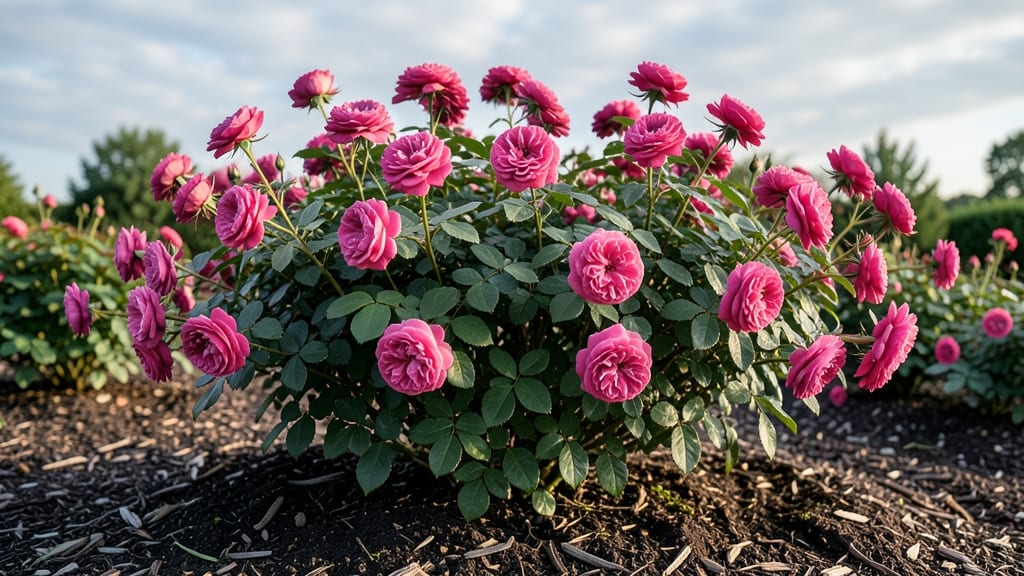
Knockout Roses bloom time stretches from early summer through frost, delivering nonstop color that turns heads in every season.
If you love roses but struggle with short bloom seasons, these hardy beauties could be your game-changer. Unlike traditional roses that fade after one flush, Knockout Roses 🌹 rebloom continuously—provided you time your pruning just right. Miss the window, and you’ll watch those vibrant blooms taper off sooner than expected.
The secret lies in understanding their natural flowering cycles, which kick off in June and often last until the first frost in October. But regional climate, sunlight exposure, and pruning habits can shift that timeline dramatically.
For example, in cooler zones like 6a, blooms might start later but linger longer into fall, while warmer areas see earlier—but shorter—flowering periods.
In this guide, I’ll break down the exact pruning schedule to extend your blooms, spot the signs of over-pruning or nutrient stress, and even adjust for your local climate.
By the end, you’ll know exactly when to trim, feed, and water to keep your Knockout Roses in peak bloom for months.
Knockout Roses bloom time: seasonal timeline & what triggers reblooming
Knockout Roses are legendary for their continuous blooming from early summer through frost, but their reblooming magic depends on precise timing and environmental cues. Unlike traditional roses that bloom once, these shrubs produce new buds throughout the season, creating a nonstop floral display that gardeners adore.
Understanding their bloom triggers—like temperature shifts and daylight changes—helps you maximize their performance.
The secret behind Knockout Roses' reblooming habit lies in their genetic makeup and adaptability. They're bred to respond to seasonal temperature fluctuations, producing fresh blooms whenever conditions are ideal.
In USDA zones 6-9, their primary bloom window spans from June to October, but with proper care, you can push that window even later. Let's break down their seasonal timeline and what makes them tick.
| Season | Bloom Period | Key Triggers | USDA Zone 4-6 | USDA Zone 7-9 |
|---|---|---|---|---|
| Early Summer | June | Warm soil, 60°F+ nights | Late June | Early June |
| Peak Season | July-August | Long daylight (14+ hrs), 70°F+ temps | July-August | June-September |
| Late Season | September-October | Cooler temps (50-60°F), shorter days | Late August-October | September-November |
| Fall Extension | October-Frost | Proper pruning, mulching | Limited blooms | October-December |
Your local climate plays a huge role in when Knockout Roses bloom. In cooler zones (4-6), their first flush arrives later (around late June), while warmer zones (7-9) see blooms as early as May.
The key trigger is soil temperature—once it reaches 60°F, buds begin opening. This explains why northern gardens often see delayed blooming compared to southern regions.
Daylight length also influences their reblooming cycle. These roses respond to longer daylight hours (14+ hours) by producing more buds. That's why their peak bloom occurs in mid-summer when days are longest.
As daylight shortens in late summer, they shift to producing hardier buds that survive cooler temperatures, extending blooms into fall. This adaptability is what makes them low-maintenance superstars.
To extend blooms into fall and early winter, focus on three key factors: pruning, watering, and mulching. After their first major bloom cycle in July, give them a light pruning to remove spent blooms and encourage new growth.
This triggers the plant to produce secondary buds that will bloom in September and October. Pair this with deep watering (1-2 inches per week) and a 3-inch mulch layer to protect roots from temperature swings.
One common misconception is that Knockout Roses bloom continuously without effort. While they're more forgiving than hybrid teas, they still need consistent care to perform at their best. Over-pruning in late summer can stunt fall blooms, while under-watering causes buds to drop.
The goal is to balance growth—encourage new buds without over-stressing the plant. Think of it like a gardening Goldilocks zone: not too much, not too little, but just right.
For northern gardeners (zones 4-6), frost is the ultimate bloom limiter. While these roses tolerate light frosts, buds will freeze and drop when temperatures hit 25°F or below. To push blooms later, plant varieties like 'Double Knock Out', which handles cooler temps better.
In southern zones (7-9), heat stress becomes the issue—temperatures above 95°F can cause buds to brown and drop. Providing afternoon shade during heatwaves helps maintain blooms.
Here's a pro tip: Pay attention to your roses' foliage color. Healthy leaves are deep green, while stressed plants show yellowing or purple undertones. This color shift often signals nutrient deficiencies or water stress,
Pruning Knockout Roses for maximum bloom time: step-by-step calendar
Timing your Knockout Roses pruning is the secret to their legendary nonstop blooms. Unlike traditional roses, these beauties flower continuously from June through October—but only if you prune at the right moments.
The key is working with their natural growth cycles: early spring for shaping, late spring after the first flush, and late summer to prep for fall blooms. Miss these windows, and you’ll sacrifice weeks of vibrant color.
Start with the right tools: a pair of sharp bypass pruners for clean cuts, sterilized shears to prevent disease, and gloves to protect from thorns.
I also recommend a pruning saw for thicker stems and a disinfectant spray to clean tools between cuts. Disinfecting your tools after each plant is non-negotiable—it keeps black spot and powdery mildew at bay.
🌹 Step-by-Step Pruning Calendar for Knockout Roses
-
Early Spring (March–April)
Prune when forsythia blooms or after last frost- Remove dead/diseased wood first—cut to healthy green tissue
- Cut back last year’s blooms to 18–24 inches tall (about 1/3 of height)
- Shape the bush by opening the center for airflow and sunlight
-
Post-First-Flush (June)
After first major bloom cycle (around Memorial Day)- Trim spent blooms down to the first 5-leaflet leaf below
- Lightly thin crowded stems to improve airflow (never remove more than 1/3)
- Avoid heavy pruning—this encourages reblooming, not new growth
-
Late Summer (August)
6–8 weeks before first frost- Cut back long, leggy stems to encourage compact growth
- Remove weak or crossing branches to reduce disease risk
- Apply balanced fertilizer (10-10-10) to support fall blooms
-
Winter Prep (November)
After first hard frost- Remove all dead foliage but leave canes intact
- Apply 3–4 inches of mulch around the base (avoid touching stems)
- Skip pruning—wait until spring to avoid frost damage
Pro Tip: Always prune on a dry, sunny day—wet conditions spread disease faster.
Here’s my month-by-month cheat sheet for USDA zones 4–9. Adjust slightly for warmer climates: prune 2–4 weeks later in zone 9 to avoid heat stress. In colder zones (4–5), prune 1–2 weeks earlier to prevent frost damage.
For example, in zone 6, aim to finish late-summer pruning by mid-August—this gives your roses time to harden off before winter.
After pruning, I always water deeply (1–2 gallons per plant) to help the cuts heal and reduce stress. Follow up with a light mulch layer (2–3 inches) to retain moisture and regulate soil temperature.
This simple step can extend bloom time by 2–3 weeks in fall. For container-grown Knockout Roses, prune 10% less—they’re more sensitive to over-pruning due to limited root space.
Remember: Knockout Roses thrive on routine. Stick to this schedule, and you’ll enjoy continuous blooms from June until frost. The secret isn’t just when you prune—it’s how consistently you maintain their shape and health throughout the season. Happy pruning! ✂️🌹