
Blooming
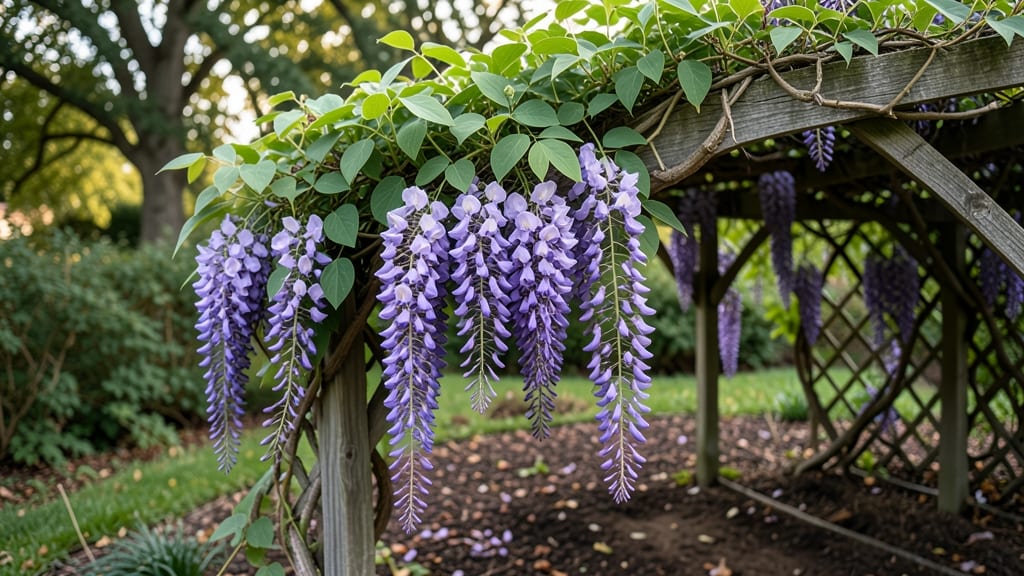
The wisteria bloom time you’ve been waiting for depends on your climate zone and the variety you’ve planted — and getting it right means the difference between a showstopping spring display and years of waiting.
Picture this: fragrant purple cascades 🌸 spilling over your trellis, filling the air with sweet perfume — but only if you’ve timed everything correctly. Too much heat too soon, and your wisteria might skip flowering altogether.
Too little chill, and it’ll play hard to get. Here’s what you need to know to predict — and even speed up — those dreamy blooms.
Whether you’re in Zone 6a or further south, the bloom window shifts from late spring to early summer, with Wisteria sinensis typically blooming a few weeks earlier than Wisteria floribunda.
But regional microclimates can push those timelines even further. Learn how to read your plant’s cues and adjust care to coax out the best possible display.
Inside, I’ll break down the exact months for your zone, share pruning secrets to encourage earlier flowers, and warn you about the most common mistakes that keep wisteria from blooming on time. No more guessing — just a foolproof plan for the showiest spring you’ve ever seen.
When wisteria blooms by USDA climate Zone: exact months
Predicting when your wisteria will bloom isn’t just about guessing—it’s tied to your USDA climate zone, chilling hours, and even regional microclimates. In Zone 5, for example, wisteria often waits until late May, while Zone 9 varieties might start as early as February.
Understanding these patterns helps you set expectations and adjust care routines to encourage earlier—or more abundant—blooms.
Wisteria needs 600-1,000 chilling hours (below 45°F) to trigger dormancy and set flower buds. If your region skips this threshold, blooms may be sparse or delayed.
For instance, Pacific Northwest gardens in Zone 8 often see flowers in April-May, while Southeast gardens in the same zone might bloom in March-April due to warmer coastal influences.
Latitude also plays a role: wisteria in northern Zones 5-6 may bloom 2-3 weeks later than those in southern Zones 8-9. This delay happens because cooler temperatures slow metabolic processes, pushing back the bloom cycle.
Even within a single zone, elevation changes can shift bloom times by 1-2 weeks—mountain gardens in Zone 7 might align more with Zone 6 timing.
Variety matters too. Wisteria floribunda (Japanese wisteria) typically blooms 1-2 weeks earlier than Wisteria sinensis (Chinese wisteria). Early bloomers like 'Amethyst Falls' might start in late February in Zone 9, while late varieties like 'Black Dragon' could wait until June in Zone 5. Always check your specific cultivar’s tendencies when planning.
If you’re in Zone 5 or 6, your wisteria’s bloom time hinges on whether it received enough chilling hours over winter. A sudden warm spell in January-February can trick the plant into breaking dormancy too early, leading to fewer buds or even no flowers.
In these zones, mulching heavily in late fall helps insulate roots and maintain consistent soil temperatures.
For Zones 7-9, the challenge shifts to heat stress. Wisteria in Zone 9 that blooms in February might struggle if temperatures spike above 85°F before buds fully open.
To mitigate this, plant in a location with afternoon shade or use a lightweight shade cloth during heatwaves. Drip irrigation can also keep roots cool and buds hydrated.
Regional variations within zones can be dramatic. For example, Portland, Oregon (Zone 8), often sees wisteria blooms in mid-April, while Atlanta, Georgia (also Zone 8), might see flowers by early March.
This difference stems from coastal moderation in the Pacific Northwest versus continental climate in the Southeast. Always observe local first frost dates and adjust your expectations accordingly.
Pro tip: Track your wisteria’s bloom dates for 3-5 years to identify patterns. If blooms consistently arrive 2 weeks late, it could signal poor drainage, nutrient deficiencies, or over-pruning. Adjusting care—like adding compost or reducing summer pruning—can shift the timeline closer to your desired window.
Remember, wisteria’s first year often produces no blooms as the plant focuses on root and vine growth. Second-year plants may show a few flowers, but full blooms typically appear in year 3 or 4. Patience is key, but understanding your zone’s natural rhythm helps you celebrate each season’s progress.
How to accelerate wisteria bloom time in your region
Want those wisteria blooms to appear weeks earlier? The secret lies in understanding your plant’s natural rhythm and giving it the right conditions. Wisteria needs 600-1,000 chill hours below 45°F to trigger blooming, but even with enough cold, timing can be off.
By adjusting pruning schedules, soil nutrients, and sun exposure, you can nudge your vine into flowering sooner—without sacrificing future blooms.
Start with the right wisteria variety. Wisteria sinensis typically blooms earlier than Wisteria floribunda, often in late April to early May, while Amethyst Falls (a hybrid) can push blooms to mid-April.
If you’re in Zone 7 or warmer, focus on varieties like Royal Purple, which adapts better to milder winters. Even a few weeks earlier can mean the difference between enjoying blooms in spring or waiting until summer.
Here’s the trade-off: aggressive pruning can speed up blooms in the short term but may reduce flower quantity later. Meanwhile, soil amendments like composted manure or bone meal boost root growth, which indirectly encourages earlier flowering.
Let’s break down the pros and cons of each approach so you can choose what works best for your garden.
Fast-Bloom Strategies for Wisteria
Pruning for Early Blooms
- Pros: Encourages flower buds to form sooner by removing excess growth.
- Cons: Over-pruning can reduce next year’s blooms if done too aggressively.
Soil Amendments
- Pros: Phosphorus-rich soil (e.g., bone meal) promotes root and flower development.
- Cons: Too much nitrogen can delay blooming while encouraging leafy growth.
Sunlight Adjustments
- Pros: 6+ hours of sun speeds up growth and earlier flowering.
- Cons: Too much afternoon sun in hot climates can stress the vine.
Microclimate Strategies
- Pros: Plant near south-facing walls to extend growing season.
- Cons: Poor airflow can increase disease risk.
For pruning, time it right: cut back old wood in late winter (just as buds swell) to encourage new growth and earlier blooms. Avoid pruning after June 1st, as this can remove next year’s flower buds.
If your wisteria is overgrown, prune selectively—remove 1/3 of the oldest stems to balance growth and flowering.
Boost soil fertility with a balanced fertilizer (10-10-10) in early spring, followed by a phosphorus-heavy amendment like bone meal in late winter. This combo ensures your wisteria has the energy to produce blooms earlier. In containers, use a well-draining potting mix with added compost to mimic ideal garden conditions.
Adjust sunlight by positioning your wisteria to receive morning sun and afternoon shade in hot climates. If you’re in a cooler zone, maximize full sun exposure. For microclimate tweaks, plant near a stone wall or fence to absorb and radiate heat, creating a warmer niche for your vine.
This can push blooms forward by 1-2 weeks in marginal climates.
Finally, monitor your wisteria’s growth cues. If buds form but don’t open, it may need more chill hours or better drainage. With these adjustments, you’ll enjoy those fragrant purple cascades weeks before your neighbors—and without waiting years for the first show. 🌸