
Blooming
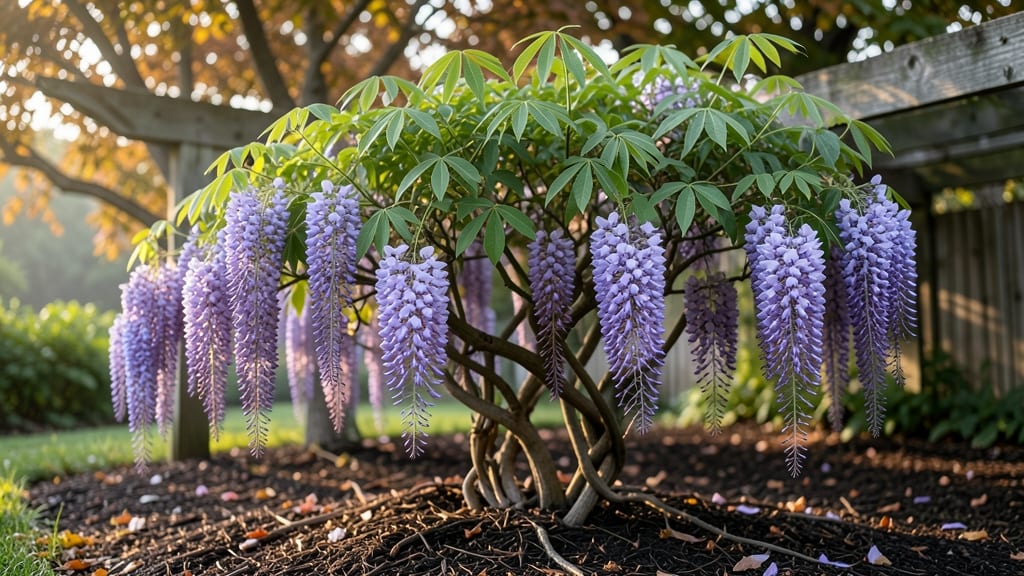
The Amethyst Falls wisteria bloom time in Zone 6a typically unfolds between late May and early June, when fragrant 🌸 cascades transform gardens into purple dreamscapes.
If you’ve ever missed that fleeting window of color, you know how quickly wisteria blooms can vanish—gone in a week, leaving vines heavy with seed pods. The secret to catching them? Understanding how your local climate, pruning habits, and even microclimates shift those bloom dates by weeks.
In this guide, we’ll break down exactly when to expect Amethyst Falls wisteria to burst into color, plus 5 proven strategies to extend or advance blooms in your garden—so you’re never left scrambling for that perfect photo op.
From adjusting pruning schedules to tweaking sunlight exposure, you’ll learn how to turn your wisteria into a reliable, year-after-year star—no guesswork required.
Amethyst Falls wisteria bloom time by USDA climate Zone
If you're dreaming of those Amethyst Falls wisteria vines bursting into lavender-purple blooms, timing is everything. These stunning climbers follow predictable bloom cycles shaped by your USDA climate zone.
In cooler zones like Zone 5, expect delicate flowers to appear weeks later than in Zone 9, where warmer winters encourage earlier blooms. Understanding these patterns helps you plan your garden visits or pruning schedule for maximum impact.
Wisteria thrives in zones 5 through 9, but its first flower dates shift dramatically. For example, in Zone 5, buds typically unfurl around late May to early June, while Zone 9 gardeners often see their first blooms as early as mid-April.
These differences stem from chill hour requirements and frost timing—critical factors for wisteria's dormancy cycle.
Notice how Zone 9 wisteria blooms nearly two months earlier than Zone 5 varieties? This shift occurs because wisteria needs a specific number of chill hours (temperatures between 32-45°F) to break dormancy. In warmer zones, these hours arrive sooner, triggering earlier bud development.
For Amethyst Falls gardeners in Zone 6a, aim for early May as your target for those first fragrant purple cascades.
Your local microclimate can also nudge bloom times by 1-2 weeks. A south-facing wall might encourage earlier blooms in Zone 6, while a north-facing garden could delay them.
Pay attention to nearby trees or buildings that might create winter warmth pockets—these can reduce chill hours and affect bloom timing.
Once you've pinpointed your zone, mark your calendar for post-bloom pruning—typically 6-8 weeks after peak flowers. This encourages next year's blooms by redirecting energy to new growth.
In Zone 5, prune in late July, while Zone 9 gardeners should wait until early September to avoid cutting off next year's buds.
For Amethyst Falls specifically, where the climate falls under Zone 6a, plan to see your first blooms around early May if planted in full sun. If your vine is younger than 3 years old, expect a delay of 1-2 weeks as it establishes its root system.
Patience pays off—mature wisteria vines will reward you with 10-14 days of continuous blooms at peak season.
Pro tip: Use a wisteria bloom tracker to log your vine's progress. Note the date of first bloom, peak coverage, and any deviations from the norm. Over time, you'll refine your predictions based on your specific microclimate and garden conditions.
This data becomes invaluable for adjusting pruning schedules or fertilization to enhance future blooms.
How to predict your local wisteria bloom time using microclimates
Predicting when your Amethyst Falls wisteria will bloom depends on more than just the calendar—it’s all about understanding your garden’s microclimate. These tiny environmental variations, like elevation shifts or sunlight pockets, can push blooms earlier or delay them by weeks.
For example, a vine on a south-facing slope might flower 2-3 weeks ahead of one in a shaded valley.
Start by noting your garden’s sunlight exposure. Wisteria thrives in full sun (6+ hours daily), but even partial shade can shift bloom times. A vine in morning sun may bloom later than one basking in afternoon rays, thanks to heat accumulation.
Test this by tracking sunlight hours with a simple sunlight journal for a month.
🌡️ Amethyst Falls Microclimate Adjustments
| Factor | Adjustment | Bloom Shift |
| Elevation +100 ft | Cooler by 3-5°F | 1-2 weeks later |
| South-facing wall | Warmer microclimate | 10-14 days earlier |
| Clay soil | Retains moisture | 3-5 days earlier |
| Urban heat island | 5-10°F warmer | Up to 2 weeks earlier |
💡 Pro Tip: Use a minimum thermometer near your vine to track nighttime temps—critical for Amethyst Falls’s late-spring blooms.
Soil type plays a surprising role too. Sandy soil drains quickly, triggering earlier blooms as roots seek moisture, while clay-heavy soil keeps vines hydrated longer, often delaying flowers by a week.
To test your soil’s impact, plant two wisteria cuttings—one in native soil, one in amended loamy mix—and compare bloom dates.
Don’t overlook wind exposure. Wisteria in open areas may bloom later due to transpiration stress, while sheltered vines conserve energy for flowers. If your garden is windy, consider a windbreak hedge near young plants to encourage earlier blooms.
Even a chain-link fence can create a microclimate shift worth tracking.
For Amethyst Falls-specific adjustments, note that the region’s USDA Zone 6a average last frost is April 15, but microclimates can push this to April 5 in sun traps or May 1 in shaded areas.
Use these dates as a baseline, then add or subtract based on your vine’s specific conditions.
Finally, combine your observations with local weather patterns. If your area had an unusually warm March, expect blooms to arrive 2-3 weeks early. Keep a bloom calendar for 3 years to spot trends—your wisteria’s timing will become as predictable as the seasons themselves. 🌷