
Blooming
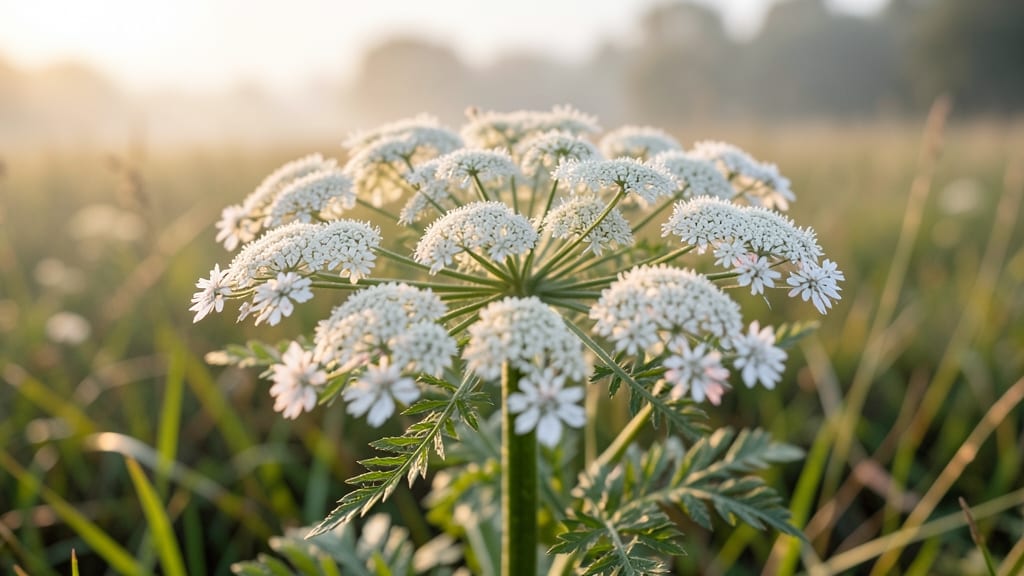
Fall gardens don’t have to be dull—these 10 wildflowers bring vibrant color and texture when most plants fade. Perfect for pollinators, late-season blooms, and cool-climate gardens, they extend beauty until frost.
Goldenrod for Late-Season Pollinator Support
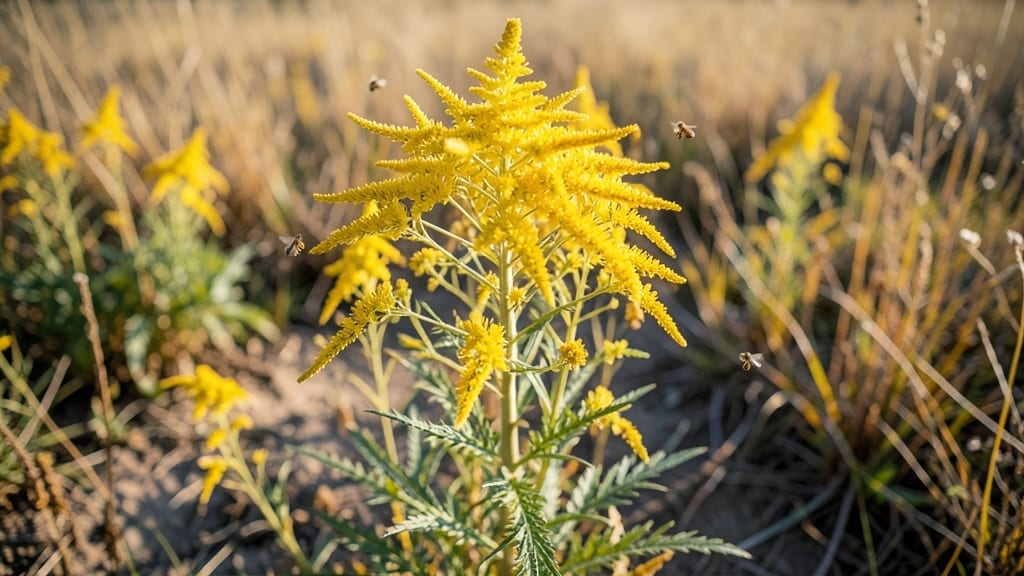
When summer wildflowers fade and bees struggle to find food, goldenrod steps in as nature’s late-season lifeline. This hardy perennial bursts into bright yellow plumes from August through October, just when other blooms have vanished—making it a pollinator’s last supper before winter.
Thriving in full sun and poor soil, goldenrod tolerates drought, neglect, and even sandy or rocky conditions where many plants fail. Its fuzzy seed heads also provide winter shelter for insects, while its native status ensures it fits seamlessly into meadows or wildflower gardens. Deadhead spent blooms to encourage more flowers and prevent self-seeding where unwanted.
Perfect for native plant gardens or low-maintenance landscapes, goldenrod’s cheerful color and ecological benefits make it a must-have for pollinator-friendly fall gardens. 🌻
Asters for Deep Purple Fall Interest
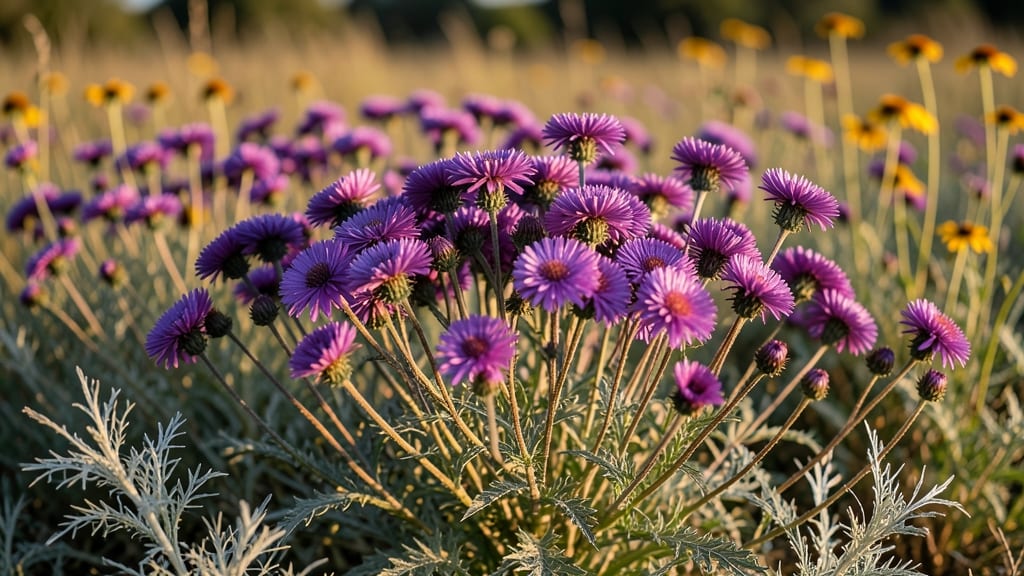
If you crave a dramatic splash of color when goldenrod and coneflowers start fading, asters deliver with deep purple blooms that last from August straight through frost. These hardy perennials thrive in dry conditions, making them ideal for water-wise gardens while providing critical nectar for migrating monarchs.
Look for ‘Patriot Power’, a standout variety with bold purple flowers that contrast beautifully against autumn foliage. Plant them in full sun to partial shade and well-drained soil—they’ll reward you with weeks of blooms that attract bees and butterflies. Cut back foliage in early spring to encourage fresh growth, and watch them bounce back stronger than ever.
Perfect for beginner gardeners or pollinator enthusiasts, asters add late-season drama with almost no fuss. Their drought tolerance and long bloom time make them a must-have for any fall garden. 💚
Black-Eyed Susan for Bold Orange Accents
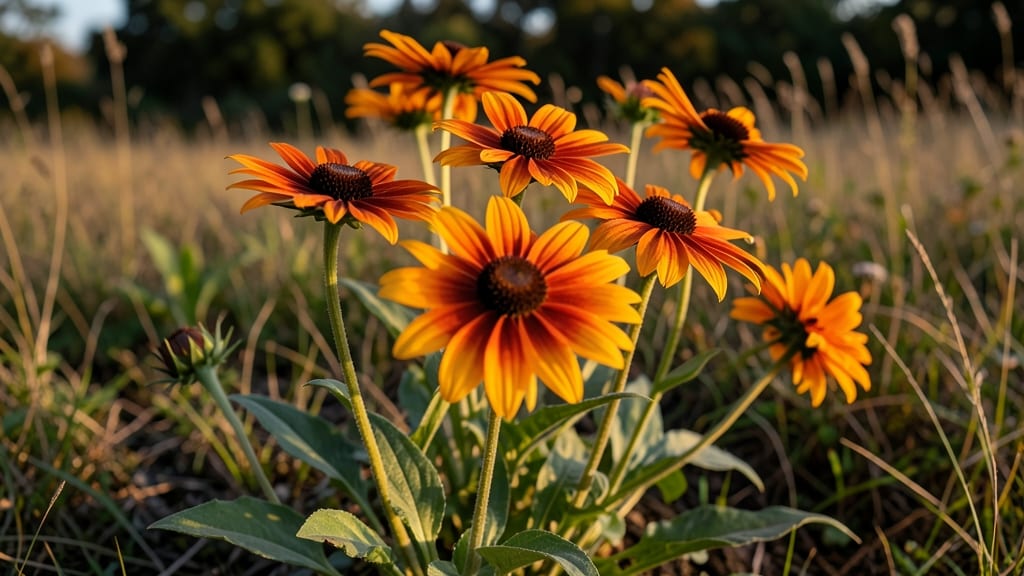
If you crave a bold splash of color that refuses to quit, Black-Eyed Susan (Rudbeckia hirta) is your fall workhorse. This sun-loving perennial bursts into cheerful orange daisies in late summer, then keeps blooming—sometimes until first frost—while tolerating both heat and humidity like a champ.
Plant it in full sun to partial shade and watch it thrive in average soil, even drought conditions. Its dark centers add dramatic contrast, and it self-seeds happily for naturalized meadows or wildflower borders. For extra impact, pair it with purple asters or goldenrod to create a late-season rainbow.
Ideal for beginner gardeners and low-maintenance landscapes, Black-Eyed Susan delivers year-round interest—even its dried seed heads add winter texture. 🌻
Joe-Pye Weed for Towering Purple Blooms
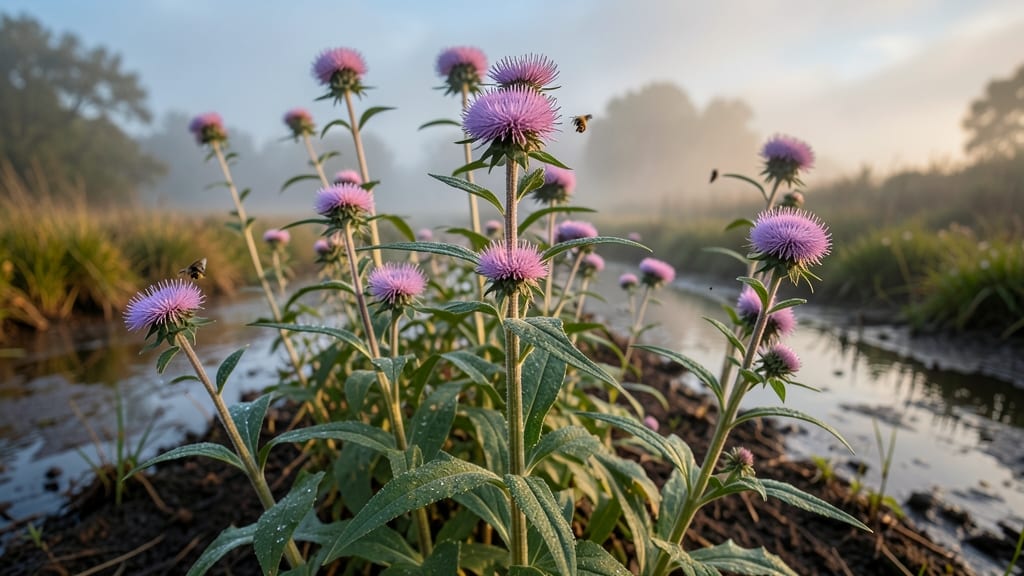
If your garden has soggy spots or a pond edge that feels underutilized, Joe-Pye weed transforms these areas into a pollinator paradise. This native giant reaches 6-foot heights with striking lavender-pink blooms that thrive in wet soil—making it the perfect choice for rain gardens or marshy borders.
Flowering from mid-summer to fall, its nectar-rich blooms attract butterflies, hummingbirds, and bees, while its tall stems provide vertical interest that draws the eye upward. Plant in full sun to partial shade and watch it spread naturally, though it’s easy to control with occasional division. The key to its success? Moist, well-drained soil—it won’t tolerate drought once established.
Ideal for eco-conscious gardeners or those with challenging wet areas, Joe-Pye weed adds drama without the fuss of high-maintenance plants. 🌷
Sedum for Succulent Fall Color
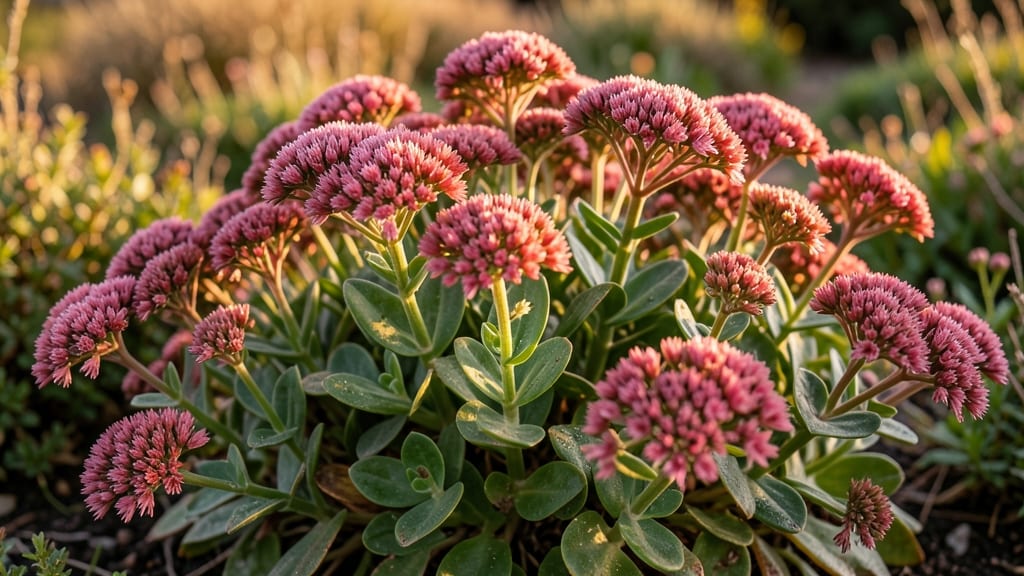
When your garden feels like it’s winding down as summer fades, ‘Autumn Joy’ sedum bursts onto the scene with a stunning transformation—its deep green leaves blush into pinkish-red clusters that last well into October. Unlike many fall wildflowers, this succulent thrives on neglect, making it the perfect choice for busy gardeners or drought-prone areas.
This drought-resistant perennial needs full sun to partial shade and well-drained soil, yet it handles poor conditions with ease. Its thick, fleshy leaves store water, so you’ll rarely need to water once established. Plant it in rock gardens, containers, or dry slopes where other plants might struggle—it’ll reward you with vibrant color with almost no effort.
Ideal for urban gardeners, rockery lovers, or anyone with dry soil, ‘Autumn Joy’ sedum adds texture and late-season interest without demanding attention. Its ability to thrive in containers or ground beds makes it versatile for any space. 🌻
Russian Sage for Lavender Blue Spikes
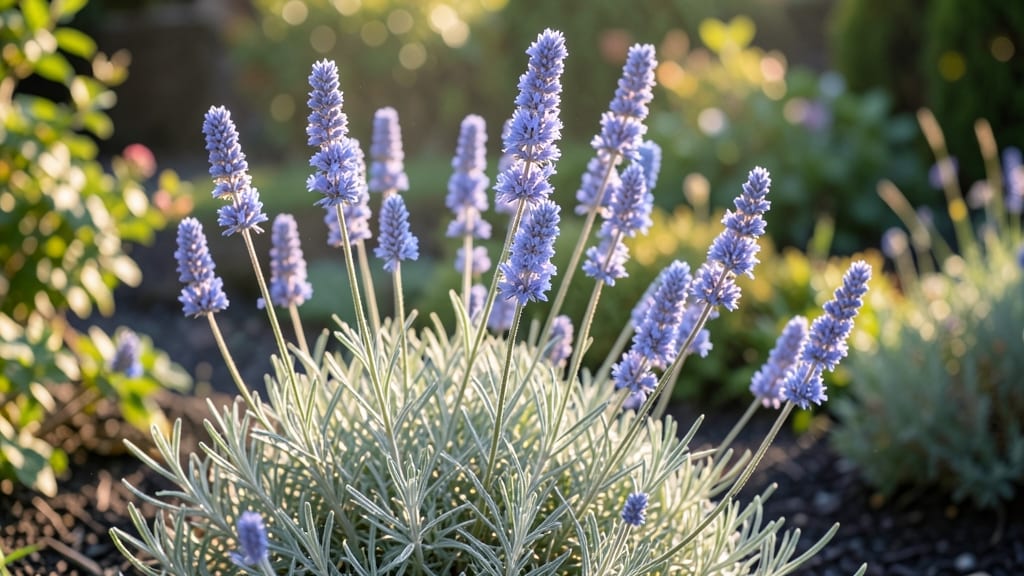
When you need a low-maintenance plant that adds height and fragrance to your fall garden without fuss, Russian sage (Perovskia atriplicifolia) is your secret weapon. Its airy, lavender-blue flower spikes bloom from mid-summer through fall, while its silvery foliage repels pests naturally—making it a dual-purpose powerhouse for both beauty and pest control.
This drought-tolerant perennial thrives in full sun and poor soil, making it ideal for rocky or sandy areas where other plants struggle. Shear back spent blooms in early spring to encourage bushier growth, and watch it rebound with even more vigor. Russian sage also attracts pollinators like bees and butterflies, extending the season for late-blooming visitors.
Perfect for urban gardens or mixed borders, its vertical structure adds drama while requiring minimal water or fertilizer. Plant it at the back of beds to create a striking focal point that keeps blooming long after other wildflowers fade. 🌿
Coneflower for Purple and Pink Varieties
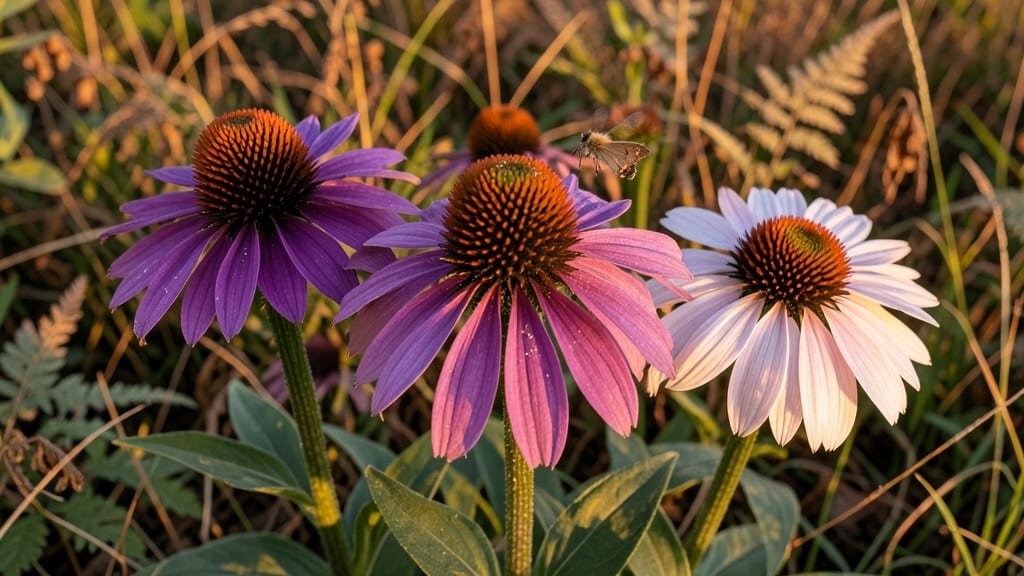
When your garden needs a late-season pollinator boost but other flowers have faded, coneflower varieties like ‘Magnus’ and ‘White Swan’ step in with stunning purple and pink blooms that last well into October. These varieties thrive when others struggle, offering nectar to bees and butterflies during their most critical feeding window.
Unlike many wildflowers that demand perfect soil, these coneflowers adapt to clay soil and partial shade, making them ideal for mixed borders or tricky garden spots. Plant them in well-drained soil and water moderately—they’re drought-tolerant once established. For extra impact, pair them with asters or sedum to create a vibrant fall palette that keeps your garden buzzing with activity.
Perfect for urban gardeners with limited space or beginner gardeners who want low-maintenance beauty, these coneflowers deliver year after year with minimal care. Their long-lasting blooms and seed heads also add winter interest. 🌷
Blanket Flower for Long-Lasting Red Blooms
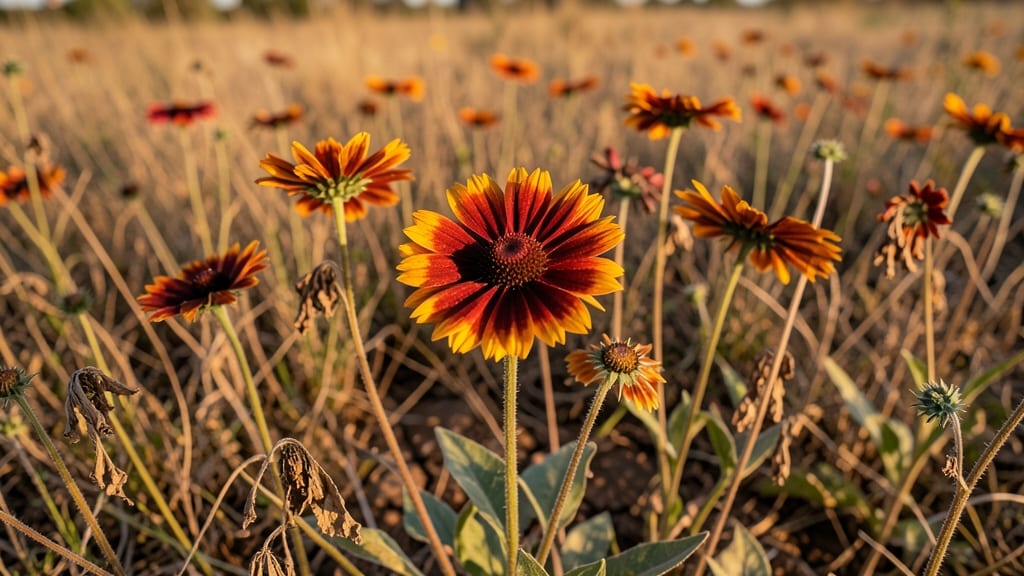
When your garden’s late-summer blooms start fading and other plants wilt under the heat, blanket flower (Gaillardia) steps in as the unsung hero of sunny, dry areas. This hardy perennial thrives where many wildflowers fail—its vibrant red, orange, or bicolor daisies bloom from midsummer straight through frost, making it a fall favorite that refuses to quit.
Plant it in full sun (it won’t bloom well in shade) and watch it flourish in poor, rocky, or sandy soil—even drought conditions won’t phase it. Deadhead spent blooms to encourage more flowers, and let some seeds drop for naturalized meadows. Its heat tolerance and drought resistance make it perfect for xeric landscapes, rock gardens, or wildflower mixes where water is scarce.
Ideal for low-maintenance gardeners or those with challenging sunny spots, blanket flower adds bold color with almost no effort. Pair it with purple asters or goldenrod for a late-season pollinator magnet. 🌻
Goldenrod for Butterflies and Bees
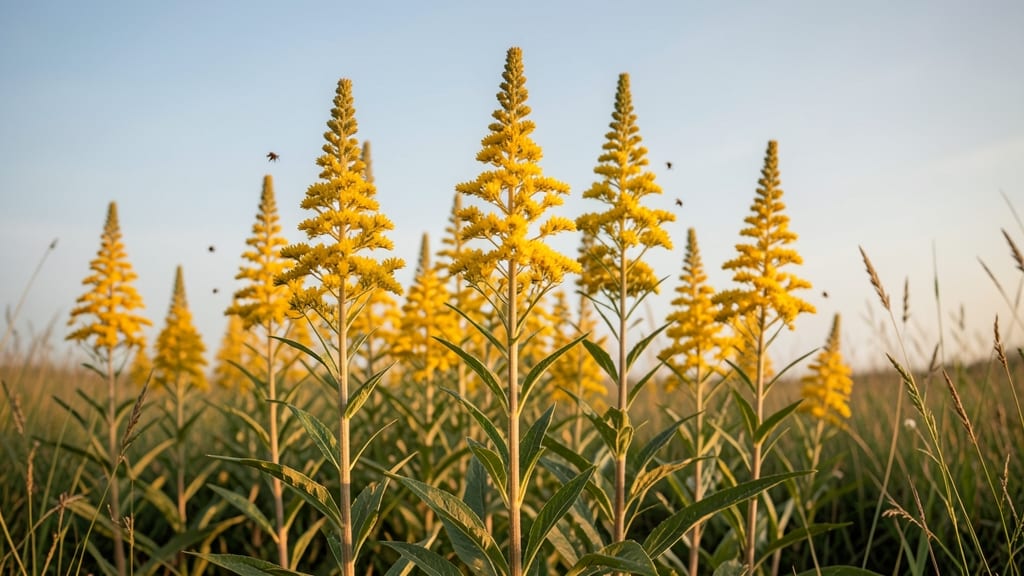
Don’t let misconceptions about goldenrod stop you from planting this pollinator powerhouse—it’s one of the most effective late-season flowers for bees and butterflies, not an allergy culprit. While ragweed (the real offender) releases pollen in the air, goldenrod’s pollen is heavy and sticky, perfect for insects to carry between blooms.
For maximum impact, plant goldenrod in masses along fence lines, meadow edges, or prairie-style gardens where it can spread naturally. Choose native varieties like Solidago canadensis or Solidago gigantea for the best ecological benefits, and give it full sun to partial shade—it thrives in poor, dry soil where many wildflowers fail. The key to continuous blooms? Deadhead spent flowers in early fall to redirect energy into new growth.
This wildflower is a game-changer for beginner gardeners or those restoring native habitats—its bright yellow plumes light up fall gardens while providing essential late-season nectar. Plus, its fuzzy seed heads offer winter shelter for beneficial insects. 🌟
Queen Anne’s Lace for Delicate Lace-Like Flowers

For a touch of whimsical elegance in your fall garden, Queen Anne’s lace (Daucus carota) brings delicate, lace-like white umbels that resemble wild carrot flowers. These charming blooms appear in late summer and linger through fall, adding a dreamy, airy quality to cottage-style gardens and meadows.
This self-seeding wildflower thrives in full sun to partial shade and adapts to poor, dry soil, making it perfect for low-maintenance spaces. Its feathery foliage and occasional deep purple flower in the center create a striking contrast. Leave the seed heads to attract beneficial insects like hoverflies and parasitic wasps, which help control garden pests naturally.
Best suited for rustic gardeners, pollinator enthusiasts, or those seeking effortless charm, Queen Anne’s lace multiplies easily—just thin seedlings in spring to prevent overcrowding. Its ability to naturalize makes it ideal for wildflower meadows or borders where you want a soft, romantic feel. 🌿