
Blooming
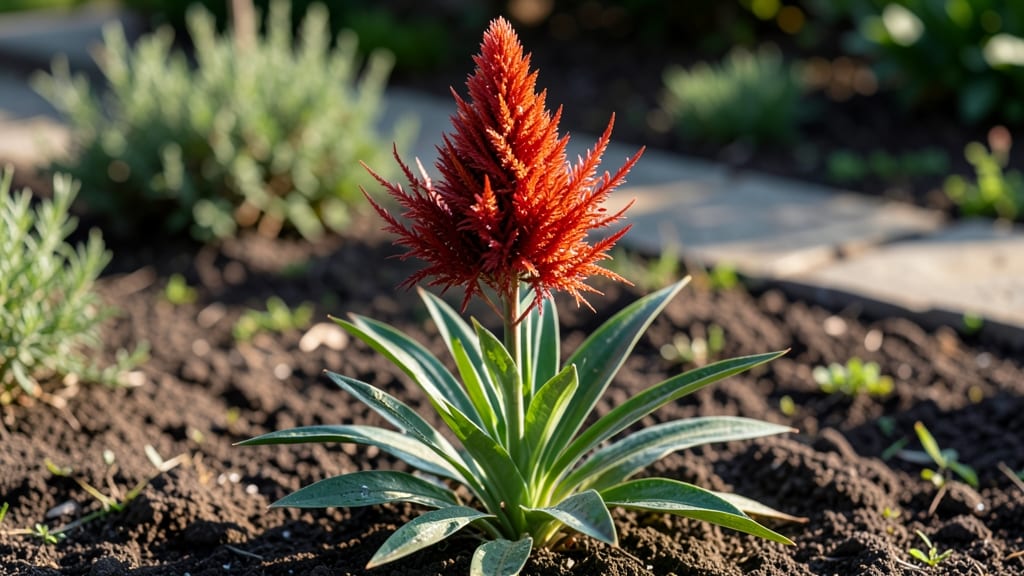
Celosia blooms thrive in summer’s heat, with peak color arriving between July and September in most USDA zones—but timing depends on when you plant and your variety.
If you’ve ever planted celosia hoping for vibrant blooms only to be left with floppy stems, you’re not alone—this heat-loving annual thrives only when conditions align perfectly. Understanding its heat-triggered bloom stages by variety and zone can mean the difference between a stunning summer display and a disappointing flop.
For example, plumes like ‘Cockscomb’ (🌸) burst into color 60–75 days after transplanting, while wheat celosia varieties may take slightly longer. In Zone 6a, where spring planting runs from March to May, blooms typically kick off by mid-June if temperatures stay above 70°F consistently.
Below, I’ll break down the exact bloom windows for your region, plus the 3 key factors—sunlight, soil warmth, and fertilizer—that control when (and how long) your celosia stays in full, fiery bloom.
When and how celosia blooms: variety-specific heat triggers by zone
Celosia is a heat-seeking annual that rewards gardeners with bold blooms—but only when temperatures and daylight align just right. Unlike cool-season flowers, celosia refuses to bloom until soil and air hit its variety-specific heat thresholds.
In my Zone 7a garden, I’ve learned the hard way that planting too early (before 65°F soil temps) results in leggy, non-flowering stems. The key? Understanding which celosia type thrives in your zone and when to expect those heat-triggered bloom windows.
Not all celosia varieties play by the same rules. Cockscomb celosia (the dramatic "rooster comb" type) often blooms 2–3 weeks earlier than plumed celosia in the same zone, while wheat celosia (with its feathery plumes) demands the most consistent heat.
Below, I’ve broken down the exact temperature triggers and bloom timelines for each type across USDA Zones 3–11, so you can time your plantings for maximum impact.
⚠️ PRO TIP: Celosia’s bloom clock starts ticking after transplanting, not germination. Count 50–70 days to first buds from transplanting in ideal conditions—but only if temperatures stay above the variety’s threshold. Miss the window, and you’ll get foliage-only plants all season.
In Zones 3–5, where summers are short, I recommend starting plumed celosia indoors 8–10 weeks before your last frost date. Transplant after soil warms to 65°F+, and expect blooms by mid-July if temperatures stay above 75°F.
For cockscomb varieties, which are more cold-tolerant, you can push planting to late May—they’ll often bloom by early June in these zones.
Gardeners in Zones 6–8 have the luxury of longer bloom seasons. Here, plumed celosia planted in late May will typically flower by early July, while wheat celosia (which loves the heat) won’t kick into full bloom until late August.
The secret? Succession planting every 2–3 weeks ensures continuous color from July through October.
For Zones 9–11, where heat is relentless, celosia can bloom year-round if given the right conditions. Wheat celosia thrives here, often starting to bloom as early as June if planted in full sun with well-draining soil.
However, avoid planting before April—early heat can stress young seedlings. In these zones, shade cloth (30–50%) during 100°F+ days prevents buds from dropping.
One mistake I’ve made? Assuming all celosia varieties bloom at the same rate. Cockscomb celosia might flower in 50 days, while wheat celosia can take 85 days to reach its first buds.
To maximize your garden’s impact, I now plant a mix of varieties staggered by 2-week intervals. This ensures non-stop color from June through frost.
If you’re in a transition zone (e.g., Zone 7b), pay close attention to nighttime temperatures. Celosia needs warmth at night to set buds—if temps drop below 60°F consistently, flowering will stall.
In my garden, I’ve used black plastic mulch to raise soil temps by 5–10°F, which has extended the bloom season by 3–4 weeks.
For container gardeners, choose compact plumed varieties
5 Signs your celosia isn’t blooming (and how to fix it)
Celosia plants are famous for their fiery plumes, but if yours are just growing lush green foliage without a single bloom, don’t panic—it’s usually fixable. The #1 reason celosia skips flowering is insufficient heat, since most varieties need daytime temps above 75°F (24°C) to trigger buds.
Even in hot climates, nutrient imbalances or overcrowded roots can stall blooms entirely.
Another common culprit is low phosphorus in the soil, which is crucial for flower production. Without enough phosphorus (the middle number in NPK ratios), your celosia will prioritize leafy growth over blooms.
Even if you’re in the right zone, poor light exposure—like partial shade from taller plants—can leave your celosia struggling to set buds.
Let’s cut to the chase with the top 5 signs your celosia is holding back its blooms—and exactly how to fix each one.
Your celosia is heat-stressed or underwatered. Move to full sun (6+ hours daily) and water deeply at soil level—never overhead—to prevent fungal stress.
Switch to a high-phosphorus fertilizer (like 5-10-10) and prune back 1/3 of leggy growth to encourage branching. Phosphorus = blooms!
Your celosia is overcrowded or nutrient-deficient. Thin plants to 12 inches apart and top-dress with compost. Bud drop = a cry for space!
Plant too early! Celosia needs consistent 75°F+ temps. In Zones 3–7, wait until after Memorial Day to transplant seedlings for best results.
Check for overwatering or nutrient burn. Let soil dry slightly between waterings and flush with plain water if you’ve used synthetic fertilizers recently.
For cock’s comb celosia, which is the most heat-sensitive variety, aim to plant after your last frost when soil temps hit 65°F (18°C). In Zones 8–11, you can start as early as March, but in cooler zones, wait until May to avoid stunted growth.
If your plants are still struggling, try mulching with black plastic to raise soil temps by 5–10°F.
Pro tip: If your celosia finally blooms but the flowers are small or sparse, it’s a sign of low light. Move pots to a sunnier spot or thin nearby plants to give your celosia unobstructed sunlight.
With the right adjustments, your celosia will reward you with bold, long-lasting blooms all summer long.
🌿