
Blooming
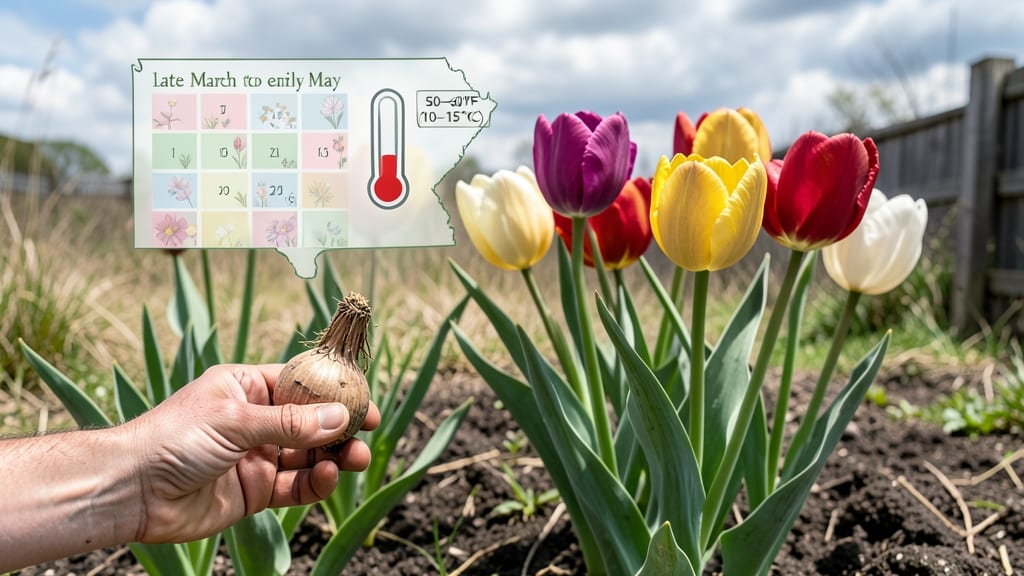
Tulips in Pennsylvania bloom between late April and early May, with timing that varies by USDA Zone and local microclimates 🌷 — and knowing the difference can mean the gap between a patch of color and a missed opportunity.
If you’ve ever wondered why your Pennsylvania tulips bloom earlier in Pittsburgh than in Philadelphia—or how to time your planting for the most vibrant spring display—you’re not alone. Understanding Pennsylvania’s unique growing zones and microclimates is the key to predicting tulip blooms with precision.
In Zone 5b (western PA), tulips often push through the soil by mid-April, while in Zone 7a (southeastern PA), they may wait until early May. Elevation, soil temperature, and even last frost dates play a role, so the right variety and planting depth can shift your bloom window by weeks.
Below, I’ll break down the exact timing by region, the best tulip types for Pennsylvania’s climate, and simple tricks to extend your blooms—so you’re the one showing off the first bright flowers of spring.
Pennsylvania tulip blooming timeline by USDA hardiness zones
Pennsylvania’s diverse geography—from the Appalachian Mountains to the Piedmont region—creates distinct tulip blooming windows. In Zone 5b, tulips often bloom 2-3 weeks earlier than in Zone 7a, thanks to cooler temperatures and later frost dates. Understanding these variations helps you plan for the most stunning spring displays.
Early bloomers like ‘Early Harvest’ may appear as soon as late March in warmer microclimates, while late varieties like ‘Parrot tulips’ might not peak until early May.
Elevation plays a surprising role too. Gardens in Pittsburgh (Zone 6a) can see tulips bloom 10-14 days earlier than those in Philadelphia (Zone 7a), even though they’re only about 300 miles apart. This happens because higher elevations experience cooler soil temperatures, which delay bulb development.
Meanwhile, urban heat islands in cities like Allentown can push blooms forward by a week or more compared to rural areas.
To maximize your tulip season, focus on planting early, mid, and late-season varieties together. This staggered approach ensures continuous color from late March through May, regardless of your specific zone. For example, pairing ‘Apeldoorn’ (early) with ‘Queen of Night’ (late) creates a seamless transition.
Below, we’ve broken down the average bloom periods by zone, including peak windows and key factors that influence timing.
⚠️ PRO TIP: Use a soil thermometer in fall to monitor bulb planting conditions. Tulips need soil temps between 40-50°F for optimal root growth, which directly impacts next spring’s bloom date.
| USDA Zone | Avg. First Flowers | Peak Bloom Window | Key Influencing Factors |
|---|---|---|---|
| Zone 5b (Erie, Scranton) | Late March - Early April | April 1-15 | Cooler soils, later frost dates |
| Zone 6a (Pittsburgh, State College) | Early April | April 8-22 | Moderate elevation, urban heat variation |
| Zone 6b (Harrisburg, Lancaster) | Mid-April | April 15-29 | Warmer Piedmont climate |
| Zone 7a (Philadelphia, Reading) | Late April | May 1-10 | Urban heat islands, earlier soil warming |
| Appalachian Regions (Higher Elevation) | Early to Mid-April | April 1-25 (delayed by 7-14 days) | Cooler microclimates, later frost risk |
In Zone 5b, tulips often face the highest frost risk, so choose hardy varieties like ‘Fosteriana’ or ‘Kaufmanniana’ for reliable blooms. These species tulips tolerate colder soils better than Dutch hybrids, which may struggle in early spring freezes.
For Zone 7a gardeners, focus on late-season bloomers like ‘Black Parrot’ to extend your display into May when other flowers are fading.
Elevation creates microclimates even within small areas. For instance, a garden in Pittsburgh’s South Hills (Zone 6a) might see tulips bloom 5-7 days earlier than one just 10 miles away in the North Hills, due to differences in sunlight exposure and wind patterns.
To account for this, plant a mix of early and mid-season bulbs in shaded spots and late bloomers in sunnier locations for balanced timing.
Soil temperature is the single most critical factor in predicting bloom dates. Tulip bulbs need 60-80 days of chilling below 40°F to flower properly. In warmer Zones 6b-7a, this chilling period may be shorter, leading to earlier blooms.
Use mulch (straw or shredded leaves) in fall to protect bulbs from extreme temperature swings, which can disrupt dormancy and delay flowering.
If you’re in Zone 6a or higher, consider forcing tulips indoors for Christmas blooms. Varieties like ‘Apeldoorn’ or ‘Queen of Night’ can be planted in containers in October and brought inside in December for holiday color.
This technique works because these zones provide enough winter chill to satisfy bulb requirements, while indoor conditions create the perfect spring-like trigger for blooming.
For Appalachian gardeners, embrace the delayed bloom schedule by planting extra early varieties like ‘White Dream’ alongside standard-season tulips. The cooler climate may push back blooms by 2-3 weeks, but this also means your tulips will often outlast those in lower elevations.
Pair them with late-blooming daffodils for a seamless transition from April into May.
To extend your tulip season, practice deadheading spent blooms and fertilizing with low-nitrogen food (like 5-10-10) in early spring. This encourages stronger foliage growth, which helps bulbs
How to predict early vs. late blooming tulips in Pennsylvania
Predicting when your tulips will bloom in Pennsylvania depends on more than just the calendar—it’s a mix of soil temperature, USDA zone, and even the type of tulip bulbs you plant.
In my garden, I’ve seen Darwin Hybrid tulips bloom up to two weeks earlier than Parrot tulips when planted under the same conditions. The secret lies in understanding these key factors and making small adjustments to your planting routine.
Pennsylvania’s last frost dates vary dramatically from county to county. For example, Pittsburgh (Zone 6b) typically sees its last frost around April 15, while Philadelphia (Zone 7a) might not experience frost until April 25.
These dates directly impact when tulip shoots emerge and when blooms appear. Even within a single county, microclimates—like a south-facing slope—can push blooms earlier by 7-10 days compared to shaded areas.
-
1Soil Temperature: Tulips need 40-50°F soil to break dormancy. Use a soil thermometer in fall—plant when temps drop below 60°F for consistent early blooms.
-
2Bulb Variety: Species tulips (like Tulipa tarda) bloom 2-3 weeks earlier than Dutch hybrids. For late blooms, choose Parrot tulips or Fosteriana varieties.
-
3Planting Depth: Deeper planting (8 inches) delays blooms by 5-7 days in cold zones. Shallow planting (6 inches) encourages earlier shoots in Zone 7a.
-
4Fertilization: Add phosphorus-rich fertilizer (5-10-10) at planting. Too much nitrogen speeds foliage but delays blooms by 10+ days.
-
5Last Frost Tracking: Use the National Weather Service frost maps. Plant early-bloomers 6 weeks before your average last frost for April blooms.
One of my biggest mistakes was planting Dutch tulips too shallowly in Zone 6b—they bolted early but produced smaller blooms due to inconsistent soil moisture. The fix? Adjusting depth to 7 inches and adding a 2-inch mulch layer of straw to insulate roots.
This simple change pushed blooms back by 7 days while keeping flowers vibrant.
For gardeners in southern Pennsylvania (Zone 7a), focus on late-season varieties like Queen of Night or Black Parrot. These thrive in warmer microclimates and often bloom in late April to early May.
In contrast, northern zones (5b) benefit from early species tulips like Tulipa clusiana, which can push blooms as early as mid-March in sheltered spots.
Pro tip: Pair early bloomers with late bloomers in the same bed. This extends your tulip season from March through May and creates a continuous color display. Just remember—species tulips naturalize better than hybrids, so they’ll reward you with more reliable early blooms year after year.
If you’re still unsure about timing, try planting a test row of 3 different varieties (early, mid, late) in the same spot. Track their bloom dates for 2-3 years—this gives you a personalized timeline tailored to your specific soil and microclimate. Happy planting! 🌷