
Blooming
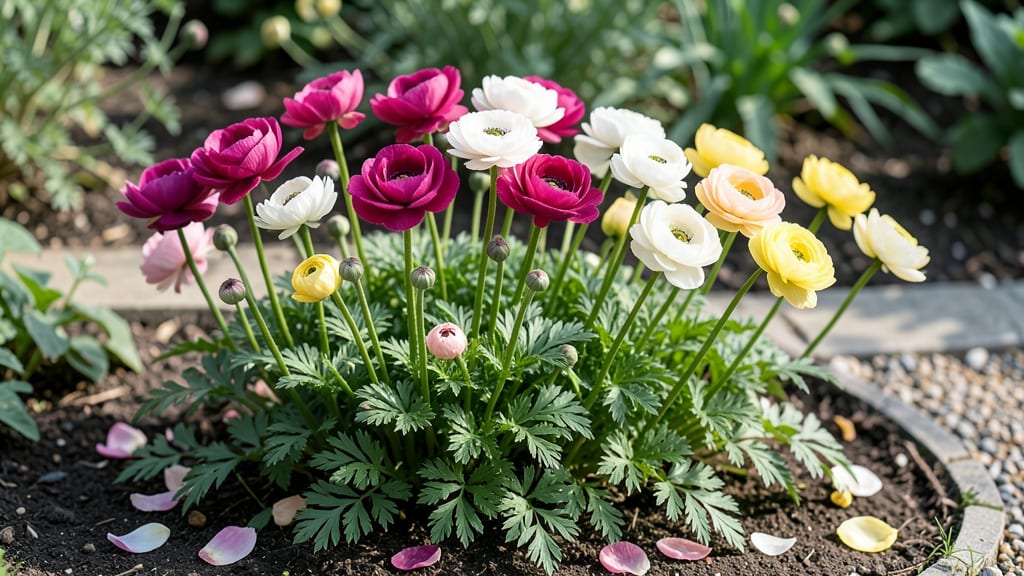
Ranunculus bloom in Zone 6 between late April and early June, turning your garden into a sea of delicate, layered petals 🌸 — but the exact timing depends on when you planted the bulbs and which variety you chose.
If you’ve ever wondered why your ranunculus bulbs seem to take forever to bloom—or when to expect those stunning, layered flowers—Zone 6’s unpredictable climate adds extra mystery. But with the right timing, you can enjoy their vibrant display from early spring to late summer, depending on the variety.
Most gardeners in Zone 6 plant ranunculus bulbs in late summer or early fall, which means the first blooms appear around May for early varieties like 'Buttercup' or 'Persian Jewel.' Late plantings might not bloom until early June, but the trade-off is often worth it for a longer flowering season.
In this guide, I’ll break down the exact bloom windows by variety, share tips to extend your ranunculus season, and help you troubleshoot common delays—so you can plan ahead and enjoy those showstopping flowers at their peak.
Exact blooming months for ranunculus in Zone 6 by variety type
Ranunculus bulbs are famous for their delicate, layered blooms, but their exact bloom times in Zone 6 can vary dramatically by variety. Unlike many spring flowers, ranunculus often bloom in late spring to early summer, but cooler Zone 6 springs may delay them until June or even July.
The key is understanding how each variety responds to your region’s last frost date (typically mid-May in Zone 6) and adjusting planting times accordingly.
Most ranunculus varieties need 12-16 weeks of chilling before they’ll flower, which means planting bulbs in late summer or early fall (August-September) ensures they’ll bloom the following spring.
However, some varieties, like the 'Penny Series', are more forgiving and can handle shorter chilling periods, making them ideal for gardeners who miss the traditional planting window.
Below is a breakdown of exact bloom windows for popular ranunculus varieties in Zone 6, along with tips to push blooms earlier or later based on your microclimate.
Whether you’re aiming for early spring color or extending blooms into summer, knowing these timelines will help you plan your garden like a pro.
If you’re planting ranunculus bulbs in Zone 6, aim for a late August to early September window to ensure they receive enough chilling before blooming.
However, if you live in a cooler microclimate (like higher elevations), consider planting in late July to avoid late-season frosts that could damage emerging shoots. Conversely, gardeners in warmer microclimates can push planting to mid-September for a slightly later bloom time.
For early bloomers like 'Buttercup' or 'Penny Series,' focus on planting bulbs 4-6 inches deep and in well-draining soil to encourage faster root development. These varieties often reward gardeners with blooms as early as late May, adding crucial color to spring gardens when few other flowers are in bloom.
Just be prepared to protect them with frost cloth if temperatures dip below 32°F after planting.
The 'Stargazer' series is a late-season performer, typically blooming from June through August, making it perfect for extending your garden’s color palette. To maximize its potential, plant bulbs in early September and deadhead spent blooms regularly.
This encourages second flushes of flowers and can push blooms into early fall before the first frost hits in mid-October.
One of the biggest mistakes in Zone 6 is planting ranunculus too late, which can result in bulbs not getting enough chilling time. If you miss the ideal planting window, try pre-chilling bulbs in the refrigerator for 6-8 weeks before planting in October.
This trick can help coax blooms even if you’re a few weeks late.
How to extend ranunculus blooms in Zone 6: season-long strategies
Ranunculus bulbs in Zone 6 can produce breathtaking blooms for weeks—not just days—if you implement the right strategies. The key lies in understanding their growth cycle and adapting to your region's 165 frost-free days.
With staggered planting and proper care, you can extend their display from late May well into July, and even coax a second flush of flowers.
First, focus on soil preparation before planting. Ranunculus thrive in well-draining soil with a pH between 6.0-7.0. Amend heavy clay soils with compost or sand to prevent bulb rot.
I always mix in a slow-release fertilizer (10-10-10) at planting time to give them a nutrient boost for the entire season.
Here’s how to maximize your ranunculus blooms in Zone 6:
- 1 Staggered Planting: Plant bulbs in two batches—first in late August and second in early September—to spread out blooming times. This ensures continuous flowers instead of one short burst.
- 2 Deadheading Daily: Remove spent blooms immediately to redirect energy to new flower production. Use clean pruning shears and cut stems just above the first set of leaves to avoid damaging the plant.
- 3 Protect from Late Frosts: Use row covers or cloche tunnels if frost threatens after buds form. Zone 6’s mid-May last frost can still surprise, so monitor forecasts and act fast.
- 4 Second Bloom Trick: After the first flush fades, reduce watering slightly and stop fertilizing. This mimics dormancy conditions, and many varieties will produce a second round of blooms 4-6 weeks later.
Don’t forget to mulch around plants with 2-3 inches of straw to retain moisture and regulate soil temperature. This is especially important in Zone 6’s hot summers and cool springs. I’ve found that mulching also helps prevent the flopping stems that can occur when soil stays too wet.
For longer-lasting blooms, choose varieties like 'Persian Jewel' or 'Penny Series', which are bred for durability. These types hold up better to Zone 6 humidity and temperature swings than some other ranunculus cultivars. Always plant bulbs 4-6 inches deep and space them 3-4 inches apart for optimal airflow.
With these strategies, your ranunculus can become the star of your spring garden for weeks, not just days. The secret is consistency—stay on top of deadheading, protect from frost, and let them rest between blooms. Your efforts will be rewarded with vibrant, layered flowers that turn heads! 🌸