
Blooming
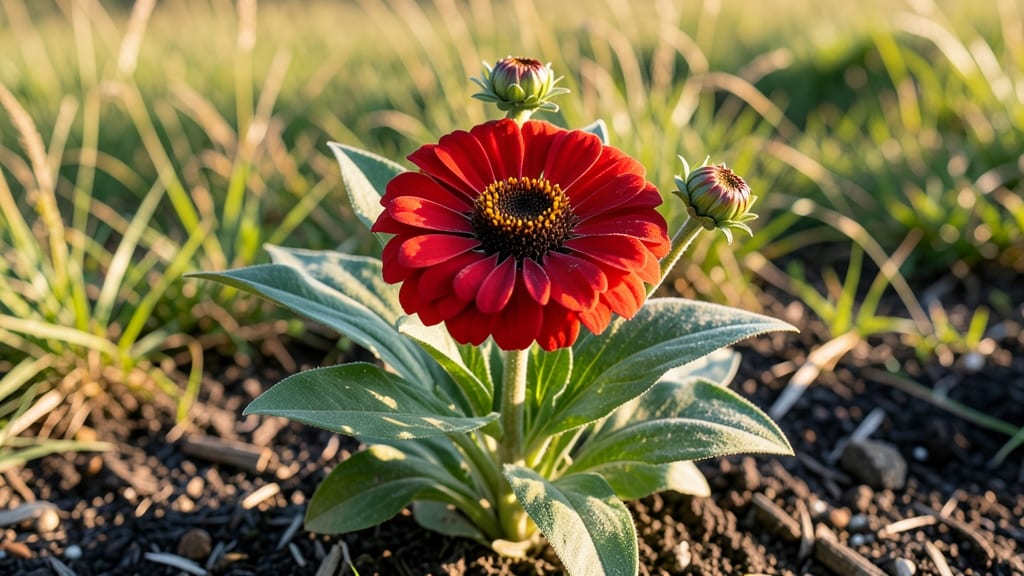
The zinnia bloom time typically arrives between 45 and 75 days after planting, turning your garden into a riot of color from midsummer to frost.
Ever stared at your zinnias wondering, Why aren’t these flowers bursting yet? The answer lies in the variety you’ve chosen, your local climate, and a few simple gardening tweaks that can shave weeks off that wait time.
In USDA Zone 6a, where spring planting kicks off in April, most zinnias—like the classic Benary’s Giant or cheerful Thumbelina—start blooming by early July if given the right care. But cooler zones or late starts can delay them until August, which is why timing your plant window matters.
Below, I’ll break down the exact days to expect flowers by variety, how to speed up blooming with deadheading and soil tricks, and why some zinnias keep producing until the first frost—plus the one mistake that kills their second flush.
Zinnia bloom time by variety: exact days to first flowers
If you're eager to see your zinnias transform from tiny seedlings to vibrant blooms, timing is everything. Zinnia bloom time varies dramatically by variety—from 45 days for speedy dwarfs to 90 days for towering giants. Understanding these differences helps you plan your garden for a nonstop summer-long show of color.
Let's break down the exact bloom windows for each type so you can pick the perfect zinnias for your timeline and space.
For gardeners in USDA Zone 7 (like me), planting Benary's Giant zinnias in early May means I can expect my first blooms around mid-July. But if I opt for Thumbelina dwarfs, those cheerful faces appear as early as late June.
These differences aren't just about patience—they're about strategy. Early bloomers like Profusion Series give you instant gratification, while late-season varieties like Crystal Series extend your color until frost. Let's dive into the specifics.
My Thumbelina zinnias are the superstars of quick gratification—those 45-day bloomers give me cheerful pink and orange pom-poms by early July if I start seeds indoors in early April. These dwarf varieties are perfect for container gardens on patios or balconies, where space is limited but color is abundant.
Their compact size also makes them ideal for cutting gardens because they produce continuous blooms with minimal maintenance.
For prostrate zinnias like Profusion Series, the 50-60 day bloom window means you'll see those sprawling mats of color by mid-July. These are my go-to for ground cover in sunny areas where I want to suppress weeds naturally.
The Magellan variety spreads up to 3 feet wide, creating a lush carpet of blooms that attracts butterflies all season. If you're using them in hanging bask
How growing Zones affect zinnia bloom speed (USDA Zones 3-11)
Your USDA growing zone dramatically impacts how quickly zinnias bloom—some varieties in Zone 11 may flower in 45 days, while Zone 3 gardeners might wait 70+ days. The key difference?
Heat tolerance and frost-free growing seasons. In cooler zones, zinnias need extra warmth to trigger blooming, while hotter climates can push them to flower earlier if planted at the right time.
Zinnias thrive when soil temperatures reach 60°F (15°C), but they also need consistent warmth to avoid bolting or stunted growth. In Zones 3-5, I recommend starting seeds indoors 6-8 weeks before your last frost date to give plants a head start.
Meanwhile, gardeners in Zones 8-11 can often plant directly outdoors in early spring without worrying about frost delays.
- 1. Zones 3-5: Plant 6-8 weeks before last frost for 60-75 day bloom time
- 2. Zones 6-7: Direct sow 2-4 weeks after frost for 50-65 day blooms
- 3. Zones 8-11: Sow anytime after soil warms to 60°F for 45-60 day blooms
- 4. Heat Tip: In Zones 9-11, mulch to retain moisture and prevent bolting
- 5. Cold Hack: Use black plastic mulch in Zones 3-5 to warm soil 5-10°F faster
In hotter zones (8-11), zinnias often bloom faster but may need protection from intense afternoon sun, which can scorch petals. I’ve found that shade cloth (30%) during peak heat hours extends bloom life by 2-3 weeks in my Zone 10 garden.
Meanwhile, in cooler zones (3-5), choosing early-blooming varieties like 'Thumbelina' (45 days) ensures color before frost.
Another zone-specific trick? In Zones 6-7, I stagger plantings every 2 weeks to create a continuous bloom cycle from summer through fall. This works because zinnias self-seed readily, and successive plantings ensure fresh blooms when earlier ones fade.
Don’t overlook soil temperature—zinnias won’t germinate below 55°F (13°C). In my Zone 4 garden, I use heat mats for early starts, which shaves 10-14 days off bloom time. Pair this with full sun exposure (6+ hours daily), and you’ll see those first vibrant blooms 2-3 weeks sooner.
For extended season blooms, deadhead regularly and fertilize lightly every 4-6 weeks with a 5-10-10 NPK mix. In Zones 3-5, this keeps zinnias flowering until first frost, while in Zones 8-11, it prevents heat stress and bolting.
The result? Nonstop color from summer to fall, no matter your zone.