
Blooming
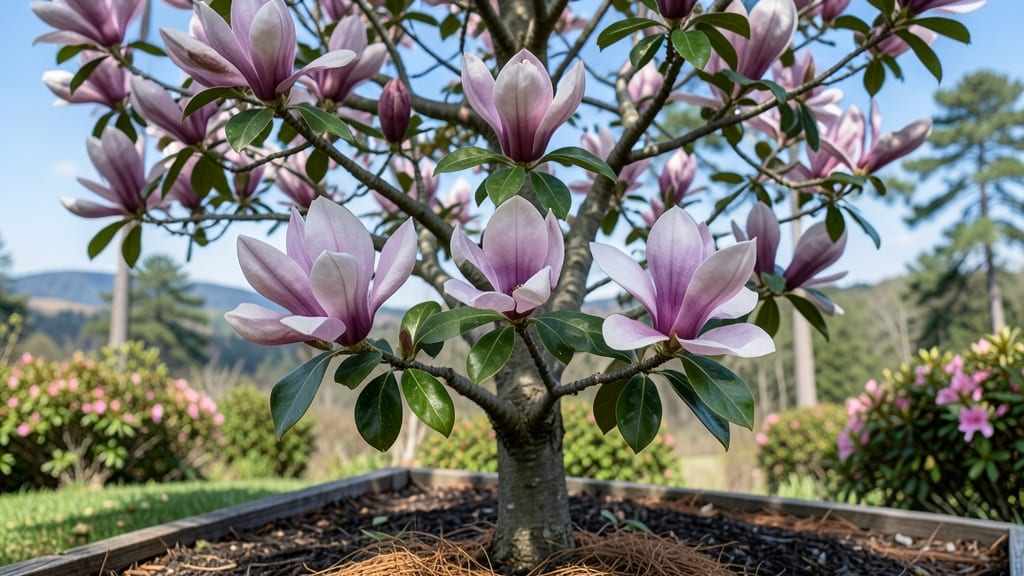
Magnolias in North Carolina bloom between late winter and spring 🌸, but the exact timing depends on your specific variety and whether you live near the coast, in the Piedmont, or in the mountains.
If you’ve ever planned a spring garden party only to have your magnolias bloom two weeks early—or worse, miss their peak entirely—you know how frustrating timing can be.
The difference between a Southern Magnolia’s creamy-white flowers in February and a Star Magnolia’s rosy blooms in April isn’t just about patience; it’s about understanding your local microclimate.
North Carolina’s diverse zones (6b to 8a) create a three-month window for magnolia blooms, with coastal areas seeing flowers as early as February and mountain regions waiting until late April.
Even within the same city, a backyard garden might bloom weeks before a neighbor’s tree, thanks to factors like soil drainage, sunlight exposure, and last frost dates.
In this guide, I’ll break down the bloom schedules for popular varieties, explain how to adjust care for your region, and share pro tips to extend your magnolia’s show—so you can finally plan that spring photoshoot without guessing.
Magnolia bloom timing by variety in North Carolina: a month-by-month guide
North Carolina’s magnolias are iconic symbols of spring, but their bloom timing varies dramatically across the state. In the coastal plain (Zones 8a-8b), fragrant blooms often appear as early as February, while mountain regions (Zones 6b-7a) may not see flowers until late April.
Understanding these differences helps you choose the right variety for your USDA zone and plan seasonal garden tasks like pruning and pest monitoring.
For gardeners in North Carolina, selecting the right magnolia variety isn’t just about aesthetics—it’s about matching bloom times to your local climate. Some varieties, like the Southern Magnolia, thrive in humid coastal areas, while others, such as the Star Magnolia, handle cooler mountain air better.
Below, we break down the bloom windows for popular varieties and how to adjust care based on your region.
| Variety | Bloom Months (NC) | Best Zones | Bloom Notes |
|---|---|---|---|
| Southern Magnolia (Magnolia grandiflora) | Late May–July | 7a–9b | Large, fragrant blooms; coastal favorite |
| Star Magnolia (Magnolia stellata) | February–March | 5b–8a | Early bloomer; compact shrub form |
| Saucer Magnolia (Magnolia × soulangeana) | March–April | 5b–8a | Bold pink/purple blooms; early spring star |
| Sweetbay Magnolia (Magnolia virginiana) | May–June | 5b–9a | Adaptable to wet soils; subtle white blooms |
| Cucumbertree Magnolia (Magnolia acuminata) | April–May | 4b–8a | Tall, pyramid-shaped; mountain-friendly |
| Little Gem (Magnolia grandiflora 'Little Gem') | June–July | 7a–9b | Dwarf Southern Magnolia; great for small yards |
The Star Magnolia is the earliest bloomer in North Carolina, often bursting into flower as soon as late February in the Piedmont region. This makes it perfect for gardeners eager to add early spring color.
In contrast, the Southern Magnolia waits until late May or June, rewarding patience with its iconic, cup-shaped blooms and glossy evergreen leaves. If you live in the mountains (Zones 6b-7a), prioritize varieties like Cucumbertree Magnolia, which blooms in April and thrives in cooler climates.
For coastal NC gardeners (Zones 8a-8b), the Sweetbay Magnolia is a standout, blooming in May and June and tolerating the state’s humid summers. Its adaptability to wet soils makes it ideal for rain gardens.
Meanwhile, the Saucer Magnolia is a crowd-pleaser in the Piedmont (Zones 7a-7b), with its dramatic pink and purple blooms appearing in March and April. This variety is also more cold-hardy than Southern Magnolias, making it a versatile choice.
If you’re planting a magnolia in early spring, time it so the tree establishes roots before summer heat.
For fall planting, aim for October or November to allow roots to settle before winter dormancy. Mulching with 2–3 inches of organic mulch (like pine straw) helps retain moisture and regulate soil temperature, which is critical for bud formation over winter.
In Zone 6b, where frosts can linger, protect young trees with burlap wraps during cold snaps.
Pruning magnolias is best done immediately after blooming to avoid cutting off next year’s flower buds. For example, prune your Star Magnolia in April (after its flowers fade) to shape it without sacrificing next year’s February blo
How North Carolina’s microclimates affect magnolia blooming: coastal vs. Piedmont vs. mountains
North Carolina’s diverse geography creates three distinct magnolia bloom schedules, shaped by elevation, humidity, and temperature. Coastal regions like Wilmington enjoy earlier blooms in February-March, while mountain areas near Asheville often see flowers opening in late April.
These differences mean your care routine should adapt based on where you live in the state.
The Coastal Plain (Zones 8a-8b) experiences milder winters and higher humidity, pushing magnolias like Southern Magnolia to bloom as early as late January. In contrast, the Piedmont (Zones 7a-7b) typically sees blooms in March-April, with Star Magnolia varieties thriving in this transitional zone.
Mountain regions (Zones 6b-7a) often delay blooms until late April due to cooler temperatures.
🌱
| Region | Avg. Bloom Window | Key Climate Factors | Watering Adjustment | Mulching Tip |
|---|---|---|---|---|
| Coastal Plain | Late Jan - Early Mar | High humidity, milder winters | Reduce winter watering (every 3-4 weeks) | 3-4" organic mulch (prevents salt spray damage) |
| Piedmont | Mid Mar - Late Apr | Moderate temps, lower humidity | Weekly spring watering (15-20 gallons) | 4" mulch (retains moisture for bud development) |
| Mountains | Late Apr - Early May | Cooler nights, shorter growing season | Bi-weekly deep watering (20-30 gallons) | 5-6" mulch (insulates roots from frost) |
In the Coastal Plain, where winters are 5-10°F warmer than inland areas, magnolias often bloom 3-4 weeks earlier than their mountain counterparts. This means you should prune spent blooms in March rather than waiting until spring.
The higher humidity also makes these trees more susceptible to fungal diseases, so ensure proper air circulation around your magnolia.
Piedmont gardeners experience a transitional climate that creates the most consistent bloom windows. Here, Star Magnolias often bloom in late February, while Saucer Magnolias may wait until April.
The key adjustment is spring fertilization—apply a balanced 10-10-10 fertilizer in early March to support bud development during this critical blooming window.
For mountain magnolias, the cooler temperatures and shorter growing season mean blooms often arrive in late April. These trees benefit from earlier planting (fall or early March) to establish roots before summer.
Use acid-loving soil amendments like pine bark fines to mimic their natural forest floor environment, which helps offset the cooler mountain soils.
🌿