
Flowers
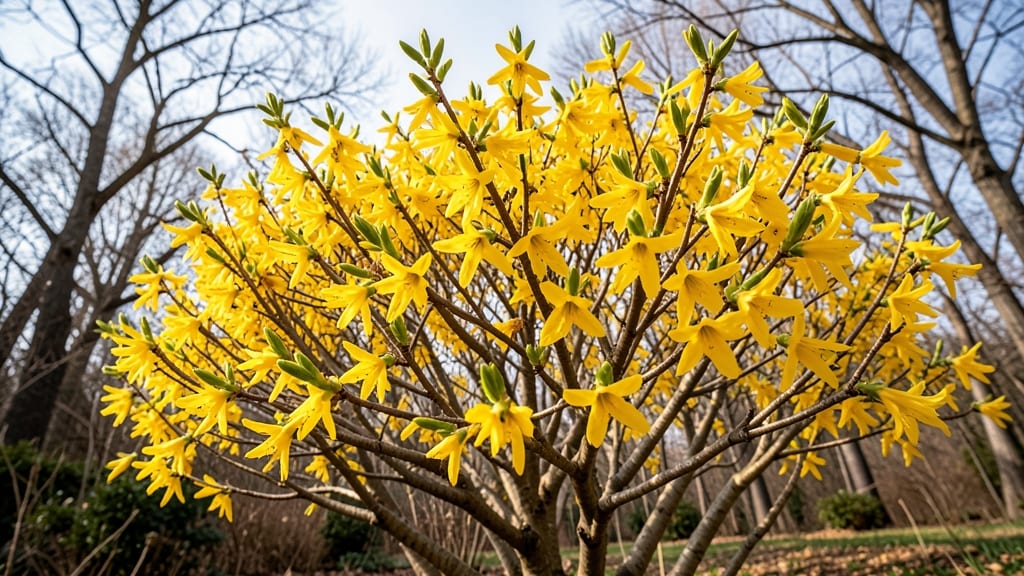
February gardens may seem dormant, but these 10 hardy flowers defy winter's chill with vibrant blooms. Discover cold-resistant species that bring color, fragrance, and life to your outdoor spaces when most plants are still sleeping.
Winter Jasmine Climbing Vine
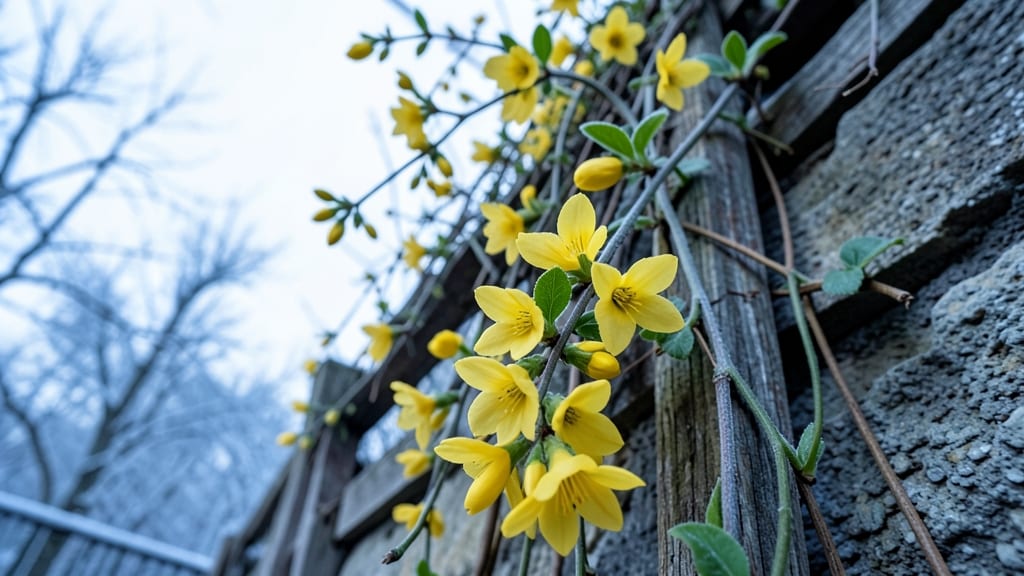
When February's chill still lingers but you crave color, winter jasmine bursts onto the scene with its cheerful fragrant yellow blooms—often appearing before spring arrives. This hardy climber thrives where most plants refuse to play, making it the perfect early-season star for walls, trellises, or arbors.
Plant it in full sun (at least 6 hours daily) and watch it flourish even in Zone 4 temperatures down to -20°F. Its semi-evergreen foliage adds year-round interest, while the four-petaled flowers release a light citrusy scent that brightens cold mornings. Prune after blooming to encourage bushier growth and more abundant flowers next season.
Ideal for gardeners who want low-maintenance beauty without sacrificing winter interest, winter jasmine transforms bare walls into fragrant canvases of sunshine. 🌻
Snowdrop Perennial Bulbs
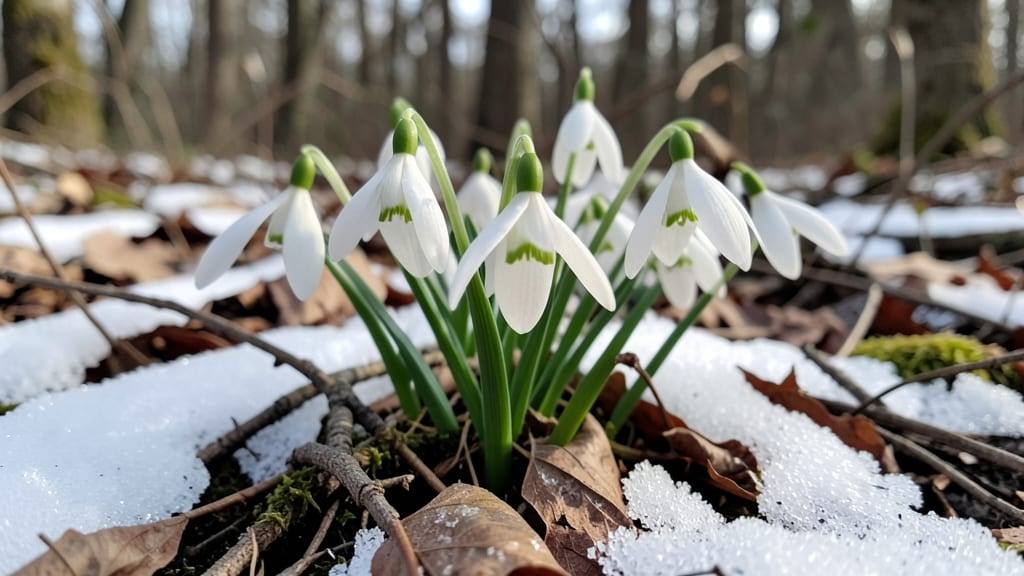
When you spot those delicate white bell-shaped blooms peeking through snow, you’re seeing nature’s first promise of spring—snowdrops (Galanthus) are the unsung heroes of winter gardens. These hardy perennials thrive in shady corners where most plants give up, making them perfect for woodland gardens, under trees, or along north-facing walls.
Plant bulbs in fall (September-October) in well-draining soil and partial to full shade. They multiply over time, creating lush drifts of flowers that appear as early as January or February, often before snow melts. Their toxic-to-pets nature means they’re safe from deer and rabbits, too!
Perfect for gardeners who love low-maintenance beauty, snowdrops bring magic to forgotten garden spots where few other plants dare to bloom. 🌿
Hellebore Evergreen Plant
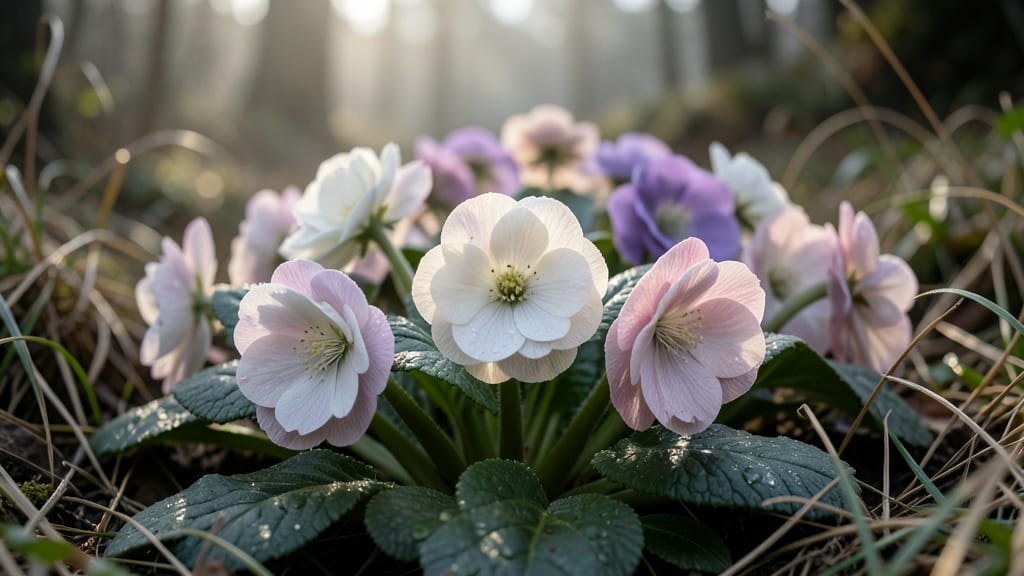
When your garden feels like it’s taking a winter nap, hellebores step in as the unsung heroes of early spring, offering delicate lace-like blooms in soft pinks, whites, and purples. Unlike their high-maintenance cousins, these evergreen perennials thrive in the dappled shade where most plants struggle, making them perfect for woodland gardens or shady corners that need year-round interest.
Plant hellebores in partial shade (3-6 hours of sunlight) and well-draining soil—they’ll reward you with blooms from late winter through early spring, often before snowdrops even wake up. Their glossy, leathery leaves stay attractive all year, while their unique flower shapes (think ruffled petals or nodding blooms) add texture to any garden. Deadhead spent blooms to encourage more flowers, but otherwise, they’re nearly foolproof—ideal for beginners or busy gardeners.
These shade-loving stars are especially magical in containers or as understory plants near trees, where their minimal care requirements and long bloom season make them a standout choice. 🌷
Crocus Spring Flower
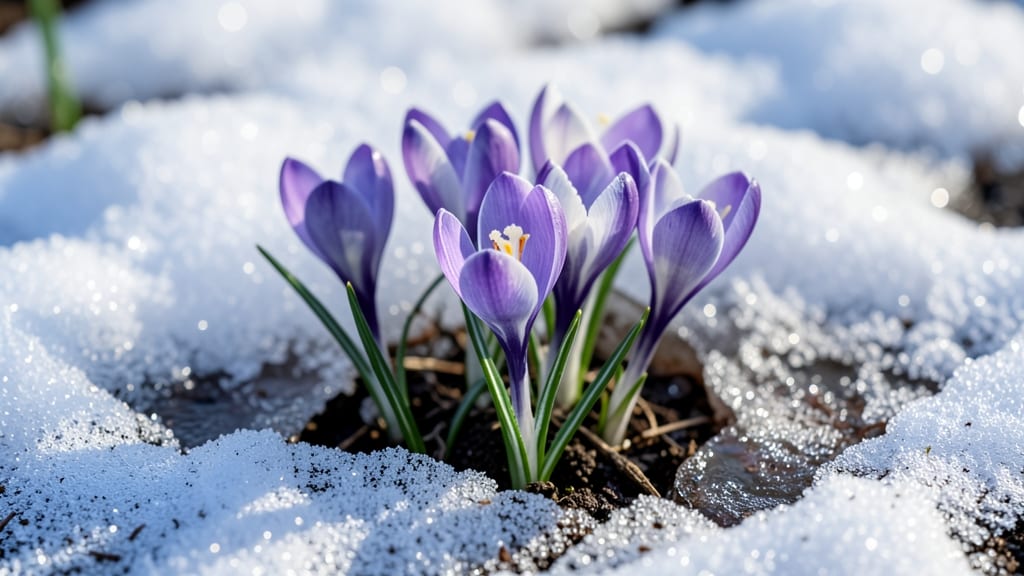
When you spot those first purple or white crocus blooms peeking through melting snow, you'll know spring is on its way. These tiny but resilient flowers are nature's way of announcing the season's arrival, often blooming as early as late January in milder climates.
Crocus thrives in full sun and well-draining soil, making them perfect for naturalizing lawns or adding pops of color to container gardens. Plant bulbs in fall (September-October) for winter blooms, and watch them push through snow with minimal care. Their early flowers attract pollinators like bees, giving your garden a head start on the growing season.
Urban gardeners and small-space enthusiasts will love how crocus adapts to containers, while traditional gardeners can scatter them across lawns for a natural, carpet-like effect. Just remember: these bulbs multiply over time, so you'll get more blooms each year with almost no effort. 🌱
Paperwhite Narcissus Bulbs
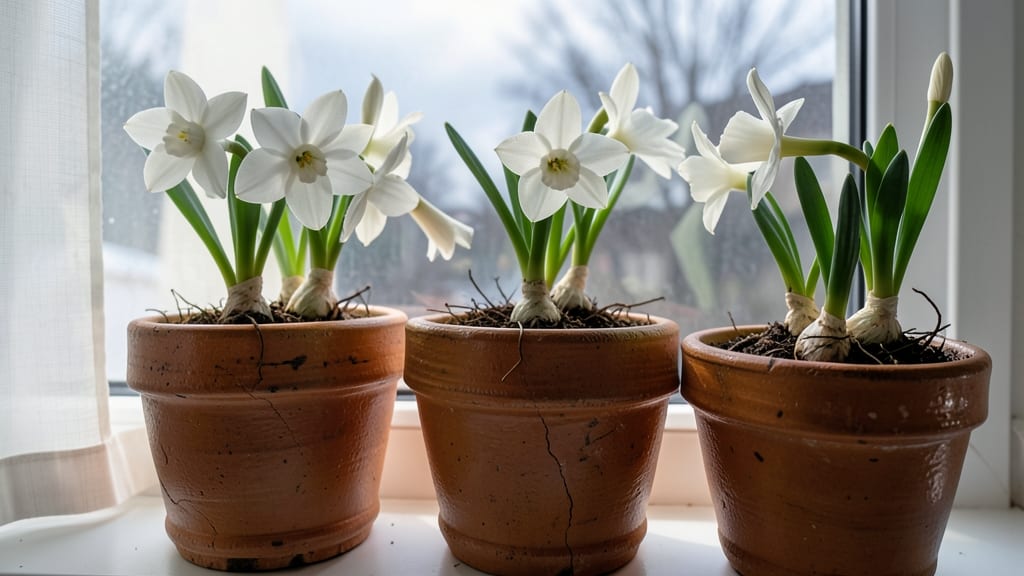
If you're craving fresh, fragrant blooms during February's gray days, paperwhite narcissus bulbs deliver a surprising burst of white flowers—indoors or out. These low-maintenance bulbs thrive in pots, making them perfect for patios, balconies, or sunny windowsills where most plants refuse to grow.
Plant them in well-draining soil (even gravel works!) and place in cool but bright spots (50-65°F). They bloom in just 4-6 weeks, filling your space with a sweet, honey-like scent that rivals spring's best. For extra drama, try multiple pots in varying heights—each bulb produces 3-5 stems, creating a cascading white display.
Urban gardeners and apartment dwellers will love how these bulbs transform bare winter corners into fragrant oases without permanent garden space. 💚
Dwarf Iris Varieties
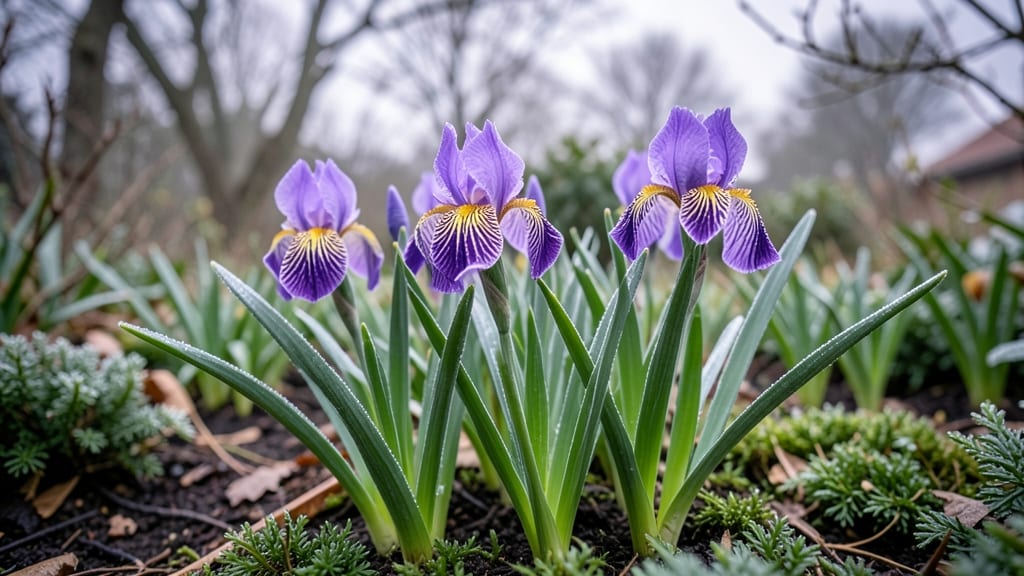
When you need February color in spots where full sun is scarce, dwarf iris varieties like Iris histrioides (zebra iris) or Iris pumila deliver striking purple or yellow blooms that punch above their 6-inch height. These cold-hardy perennials thrive in partial shade (3-4 hours of sunlight) and even tolerate light frost, making them ideal for rock gardens, alpine beds, or containers where space is limited.
Plant rhizomes in well-draining soil in early fall for spring blooms that appear before most irises wake up. Their sword-like foliage stays attractive year-round, while the ruffled petals add texture to winter landscapes. Unlike their tall cousins, dwarf irises require minimal staking and divide easily every 3-4 years to prevent overcrowding. Choose varieties like 'George' (yellow) or 'Little Star' (purple) for reliable February blooms.
Perfect for small spaces or urban gardens, these compact beauties bring early-season color without demanding full sun or pampering—ideal for gardeners who want winter interest with minimal effort. 💚
Winter Aconite Plant
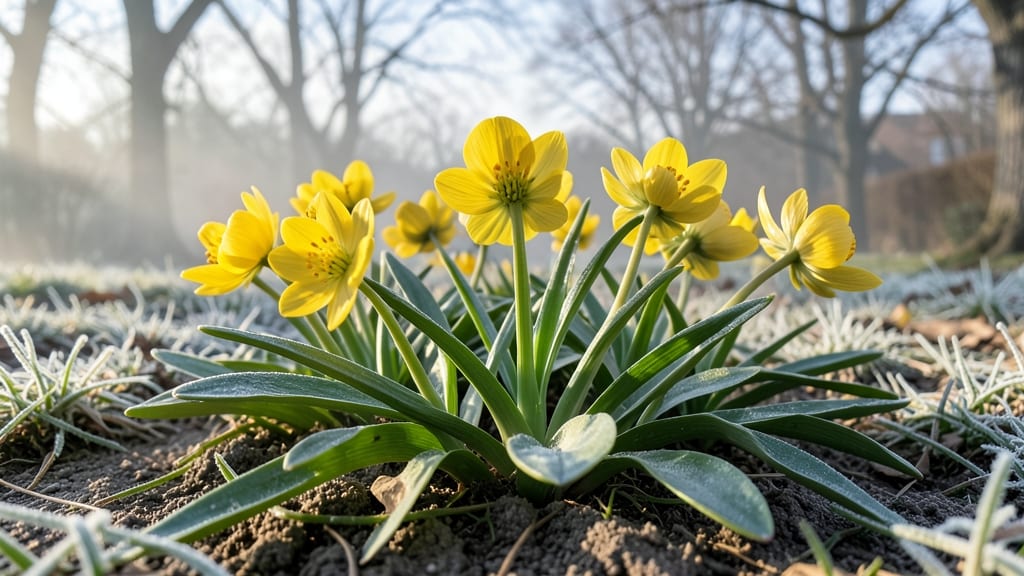
If you crave a burst of sunshine in your garden when most plants are still dormant, winter aconite (Eranthis hyemalis) delivers with its bright yellow cup-shaped blooms that appear in late winter—often as early as February. This cheerful perennial thrives where others falter, making it a standout for sunny garden borders that need winter color.
Unlike moisture-loving plants, winter aconite prefers dry, well-draining soil and full sun (6+ hours daily), making it perfect for sunny slopes, rock gardens, or containers. Its toxic foliage deters deer and rabbits, while its compact 4-6 inch height fits neatly into borders without overwhelming other plants. Simply plant the tuberous roots in fall (September-October) and enjoy blooms that last 3-4 weeks, often before spring bulbs even wake up.
This low-maintenance star is ideal for gardeners who want bold winter color with minimal effort, especially in Zone 4-8 climates. Pair it with early crocus or dwarf iris for a striking February display that brightens even the coldest garden corners. ✨
Pansy Annual Flowers
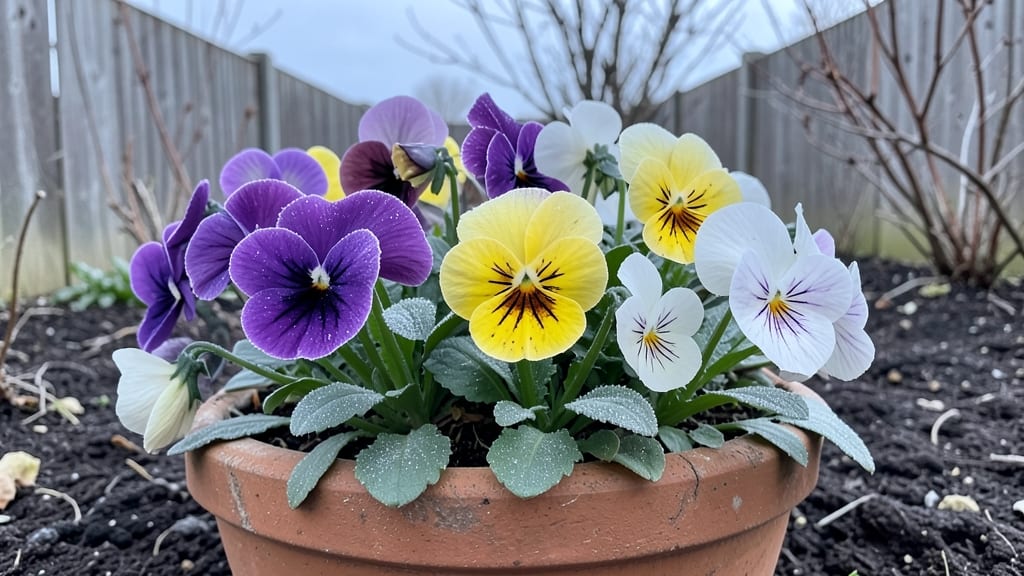
When you need a burst of color that says "spring is coming" even in light frost, pansies deliver with their iconic facial-patterned blooms in purple, yellow, or white. These cheerful annuals thrive where other flowers falter, making them perfect for February containers or garden beds that still feel chilly.
Plant pansies in full sun to partial shade (4-6 hours of light) and they’ll reward you with blooms from early spring through frost. Their edible flowers (yes, you can eat them!) add a peppery flavor to salads, while their cold tolerance lets you enjoy them weeks before other annuals. Pinch back leggy stems to encourage bushier growth and more flowers—ideal for gardeners who want long-lasting color with minimal fuss.
Container gardeners and small-space enthusiasts will love how pansies thrive in pots, while traditional gardeners can use them as edging plants or massed displays. Their bold, cheerful faces bring instant joy to winter gardens that still need a little pep. ✨
Bleeding Heart Vine
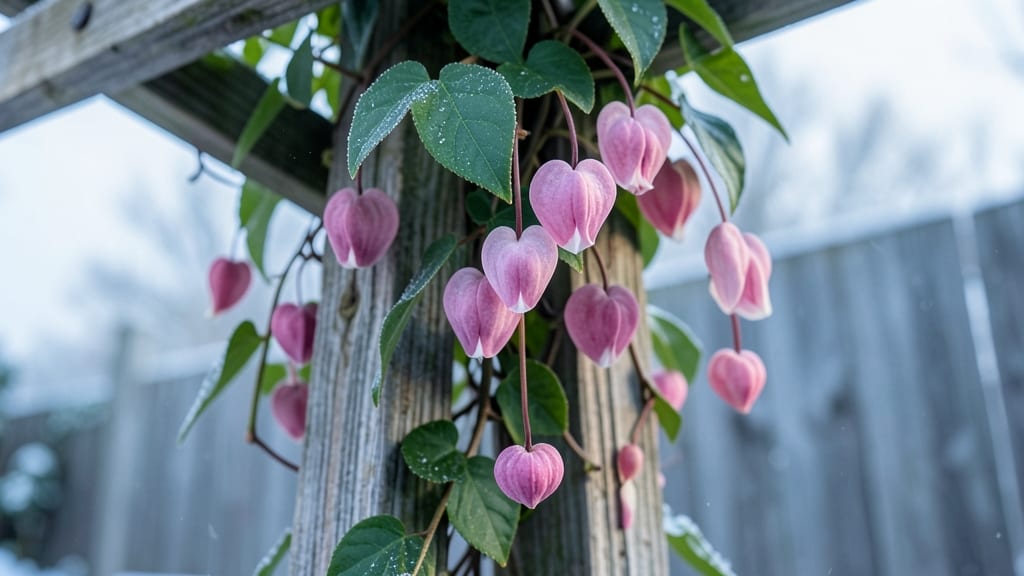
When you crave romance in your winter garden, bleeding heart vine delivers with its delicate, heart-shaped pink flowers that cascade like confetti from climbing structures. Unlike most winter bloomers, this tender perennial thrives in partial shade (3-6 hours of sunlight), making it perfect for shady patios, arbors, or trellises where other plants struggle.
Plant it in moist, well-draining soil enriched with organic matter, and watch it flourish even in USDA Zones 3-9. The fern-like foliage adds texture year-round, while the flowers bloom in late spring to early summer, offering a stunning contrast to winter's bareness. Prune after flowering to maintain shape and encourage bushier growth—ideal for gardeners who want vertical drama without full-sun demands.
This vine is especially magical for small-space gardeners or urban balconies, where its climbing habit transforms bare walls into living tapestries. Pair it with hostas or ferns for a lush, woodland-inspired display that thrives even in cooler climates. 🌷
Forsythia Shrub

When you need a bold statement to announce spring’s arrival, forsythia shrubs deliver with their dazzling bright yellow blooms that appear before leaves even emerge on many trees. This deciduous shrub is one of the first to bloom in late winter or early spring, making it a reliable harbinger of warmer days ahead.
Thriving in full sun (at least 6 hours daily) and tolerating temperatures down to -30°F, forsythia is incredibly hardy and adaptable to various soil types, including clay or sandy soils. Its arching branches create a natural, informal hedge shape, perfect for defining property lines or adding structure to garden beds. Prune immediately after flowering to maintain shape and encourage dense growth.
Perfect for gardeners who want low-maintenance, high-impact beauty, forsythia’s cheerful blooms attract pollinators and brighten up even the dullest winter landscapes. 🌟