
Blooming
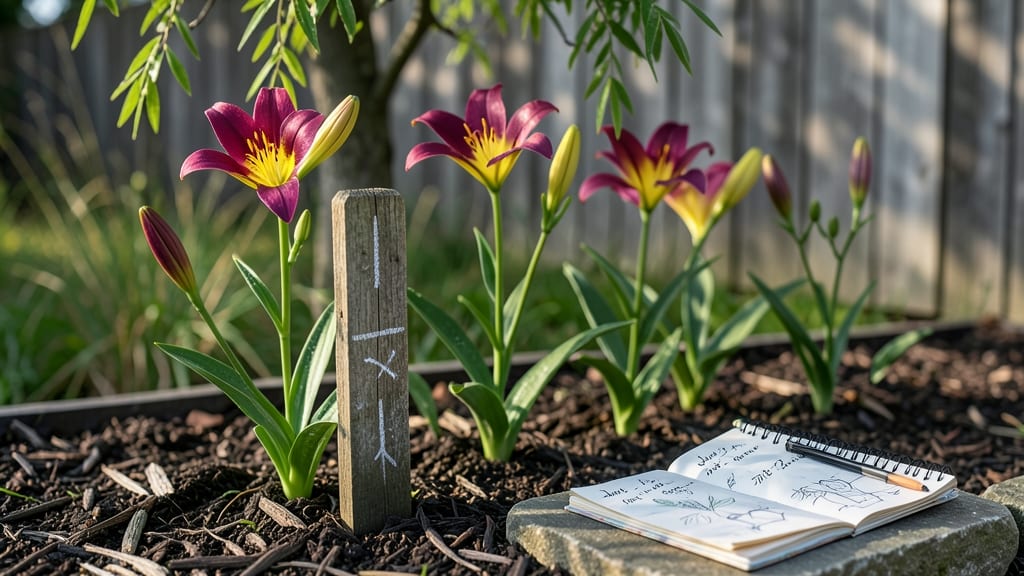
Asiatic lilies don’t reliably bloom more than once per season, as their natural cycle focuses energy on a single spring/summer display before dormancy. However, with targeted care—like removing spent blooms and adjusting nutrient levels—some varieties can produce secondary blooms, though these are usually smaller and less abundant.
Asiatic lilies follow a monocarpic growth pattern, meaning they allocate most of their energy to one major bloom cycle before entering dormancy. 🌱 This is why most gardeners see just one burst of flowers in late spring or early summer.
The few reblooms that occur happen because the plant retains some stored energy, but it’s not a guaranteed trait—unlike repeat-blooming hybrids like Oriental lilies.
To encourage even a partial second bloom, focus on deadheading promptly, using a balanced fertilizer (especially phosphorus and potassium), and protecting the bulbs from extreme temperature swings during winter.
What’s fascinating is how environmental stress plays a role. Overwatering or underwatering can both signal the plant to conserve energy, reducing the chance of reblooming.
I’ve found that mulching heavily in late fall helps insulate the bulbs, while consistent moisture (but not soggy soil) during the growing season gives them the best shot at a second attempt. Think of it like giving your lily a second chance—but don’t expect fireworks.
💡 In This Article
- Why Asiatic Lilies Usually Bloom Once: Botanical and Environmental Factors
- How to Maximize Asiatic Lily Reblooming: Proven Gardening Techniques
Why Asiatic lilies usually bloom once: botanical and environmental factors
Asiatic lilies follow a monocarpic growth pattern, meaning they prioritize one major flowering event per season over multiple smaller ones.
This is rooted in their evolutionary strategy: after blooming, they redirect energy toward bulb development for next year's growth. 🌱 The bulbs store nutrients like starches and sugars, which are critical for spring regrowth—leaving little surplus for additional flowers.
Unlike Oriental lilies (which can rebloom reliably), Asiatic types allocate up to 70-80% of their energy reserves to that single bloom cycle, leaving minimal capacity for secondary flowers.
The timing of this cycle is tightly linked to day length and temperature. Asiatic lilies are long-day plants, meaning they respond to increasing daylight (typically 14-16 hours of light per day) to trigger flowering.
Once they bloom in late spring or early summer, the plant enters a senescence phase, where leaves yellow and die back as nutrients are pulled into the bulb. This process is irreversible without significant intervention.
Extreme heat (>90°F) or drought during this phase can accelerate senescence, further reducing any chance of reblooming.
Environmental stress plays a critical role in reblooming potential. Overwatering creates anaerobic conditions that weaken roots, while underwatering triggers drought stress, both forcing the plant to conserve energy. 💧 Ideal moisture levels maintain soil at 60-70% field capacity—neither soggy nor bone-dry.
Additionally, nutrient imbalances (like excess nitrogen) promote leafy growth at the expense of flowers. The key is balancing phosphorus (P) and potassium (K)—ratios of 10-10-10 or 5-10-10 fertilizers support flowering, while high nitrogen (30-0-0) encourages foliage but suppresses blooms.
Light exposure is another critical factor. Asiatic lilies need full sun (6+ hours daily) to produce flowers, but too much intense afternoon sun in hot climates can stress the plant.
In regions with high summer temperatures (>85°F), partial afternoon shade helps prevent leaf scorch while maintaining enough light for photosynthesis. The trade-off? Reduced energy for reblooming.
In cooler climates (USDA Zones 3-8), lilies often perform better with full sun exposure, as the cooler temperatures allow them to allocate more energy toward secondary blooms.
What most gardeners overlook is the role of bulb maturity. Younger bulbs (1-2 years old) focus all energy on establishing roots and leaves, making them unlikely to rebloom.
Mature bulbs (3+ years old) have stronger reserves and are more likely to attempt a second bloom—though even then, it’s not guaranteed. This is why established gardens often see occasional reblooms, while newly planted lilies rarely do.
The plant’s priority shifts from survival to reproduction only after it’s firmly established.
Consider this: A well-cared-for Asiatic lily in Zone 5 might produce 5-10 flowers in its primary bloom, but any secondary blooms would likely be 1-3 smaller flowers with less vibrant colors. This is because the plant is already diverting resources to bulb replenishment.
The trade-off between primary and secondary blooms is a fundamental part of their growth strategy—one that gardeners can influence but not fully override. 🌿