
Blooming
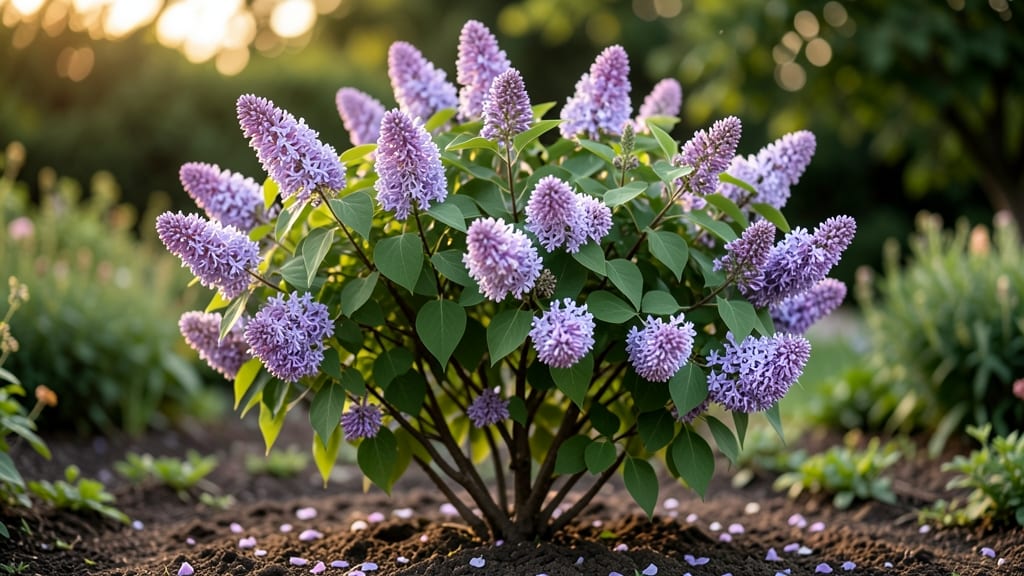
Lilacs bloom in Colorado between late April and early June 🌸, but the exact timing depends on your elevation and microclimate—so if you’ve ever missed their fleeting fragrance, you’re not alone.
The scent of lilacs wafting through Colorado’s mountain air is a seasonal highlight, but their bloom dates can shift dramatically depending on where you live.
In Denver’s urban heat islands, lilacs often burst into color two weeks earlier than in cooler mountain valleys, where late frosts might delay them until June.
Understanding these variations isn’t just about timing—it’s about preparing your garden for the best display. Whether you’re in Zone 5 or Zone 7, knowing how elevation and local weather patterns affect blooming can help you choose the right varieties and care for them properly.
Below, I’ll break down the typical bloom windows by zone, share tips for encouraging earlier or later blooms, and explain how to create a fragrant lilac season that lasts longer than just a few fleeting weeks.
Colorado lilac blooming timeline by USDA hardiness zones
Colorado's diverse USDA hardiness zones (3-7) create dramatic variations in lilac bloom timing, with mountain gardens often blooming 2-4 weeks later than urban areas. Understanding these patterns helps you plan your garden and anticipate fragrance during Colorado's famously short bloom windows.
Whether you're in Zone 3's high-altitude valleys or Zone 7's Front Range foothills, knowing your zone's typical bloom dates ensures you won't miss those iconic purple spikes.
Lilacs typically bloom in late spring, but Colorado's elevation gradients and microclimates can shift these windows dramatically. For example, a Denver garden (Zone 5) might see 'Katherine Havemeyer' lilacs bursting into bloom by mid-April, while the same variety in Leadville (Zone 4) could wait until early June.
These differences stem from temperature variations, soil warming rates, and even urban heat islands that accelerate blooming in cities like Colorado Springs.
Cold snaps are the biggest wildcard in Colorado lilac blooming. A late-March freeze can delay blooms by 1-3 weeks, while an unseasonably warm February might trigger early budding.
Gardeners in Zone 6 and 7 often see earlier blooms due to milder winters, but those in Zone 4 or higher elevations should prepare for delayed or staggered blooming. This variability is why planting multiple varieties can extend your fragrance season from late April to early June.
The 'Katherine Havemeyer' lilac, a classic purple beauty, is the most widely planted variety across Colorado.
In Zone 5 Denver gardens, it typically blooms from April 15 to May 1, while in Zone 7 Colorado Springs, you might catch its fragrance as early as March 25. This two-week difference highlights how microclimates within the same zone can create distinct bloom windows.
For gardeners in higher elevations, consider dwarf varieties like 'Dwarf Korean', which matures at just 3-5 feet tall but follows the same late-season blooming pattern.
Colorado's western slope (e.g., Grand Junction in Zone 6) often sees lilacs bloom 1-2 weeks earlier than the Front Range due to warmer daytime temperatures and lower humidity. This creates a geographic bloom gradient where western gardens might enjoy late March blooms while eastern plains wait until
How elevation and microclimates shift lilac bloom dates in Colorado
Colorado's dramatic elevation changes create staggered lilac blooming windows that can vary by 2-4 weeks between regions. At 5,280 feet in Denver, lilacs often burst into bloom by mid-April, while mountain valleys like Grand Lake (8,000+ feet) may see buds open as late as early June.
This shift happens because higher elevations experience cooler nighttime temperatures and shorter growing seasons.
The urban heat island effect in cities like Colorado Springs and Denver accelerates blooming by 7-10 days compared to rural areas. Paved surfaces and buildings trap heat, creating microclimates where lilacs may bloom in late March instead of April.
Even within the same city, a backyard near a south-facing wall could see blooms 10 days earlier than one in a shaded valley.
Here's how three Colorado Front Range cities compare in their lilac bloom timing, with elevation-driven differences clearly visible:
| Location | Elevation (ft) | Avg. Bloom Start | Microclimate Notes |
|---|---|---|---|
| Boulder | 5,430 | Late March - Early April | Urban heat + Chinook winds |
| Fort Collins | 5,050 | Early April | Dry plains climate |
| Colorado Springs | 6,035 | Mid-April | Pikes Peak shadow effect |
| Western Slope (Grand Junction) | 4,800 | Early April (but shorter bloom) | Desert climate + irrigation |
Notice how Colorado Springs blooms later than Fort Collins despite being higher? The Pikes Peak shadow creates cooler microclimates that delay blooming. Meanwhile, Grand Junction's desert climate produces early blooms but with shorter vase life due to intense afternoon sun.
For gardeners, this means selecting late-blooming varieties like 'Miss Canada' can extend your fragrance season by 2-3 weeks in mountain areas.
To predict your local bloom dates, watch for bud swell in late winter - this typically occurs 4-6 weeks before blooming. In Denver's urban heat zones, buds may swell by mid-February, while in mountain valleys, you might not see bud swell until late March.
Planting early-blooming varieties like 'Common Lilac' near south-facing walls can shave off 5-7 days from your wait time.
For mountain gardeners above 7,000 feet, consider hardier varieties like 'Dwarf Korean Lilac' which tolerates cooler soils. These varieties often bloom 2 weeks later than their lowland counterparts but produce more robust fragrance in Colorado's thinner mountain air.
The key is matching your elevation-specific variety to your microclimate for optimal blooming.