
Blooming
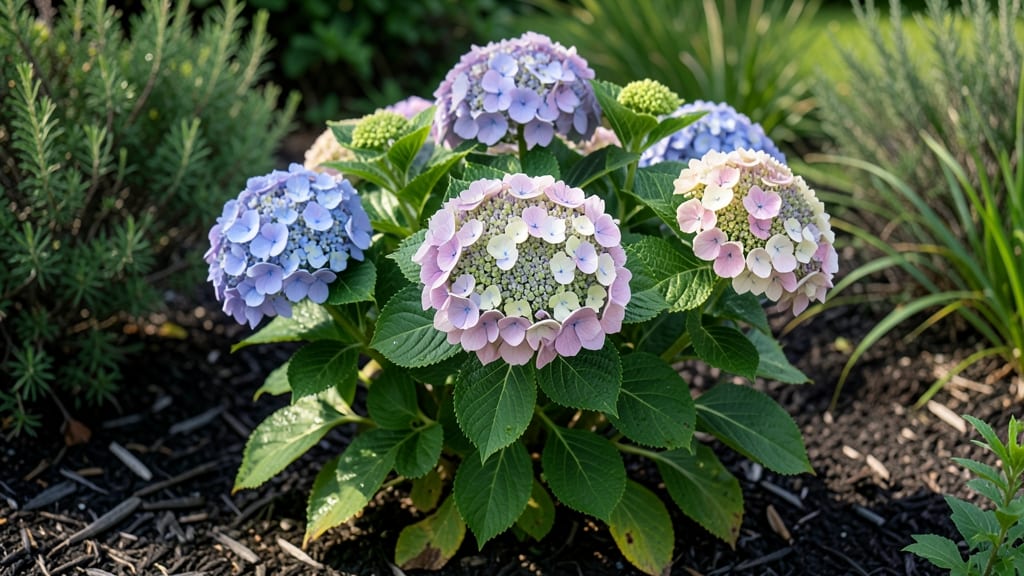
Hydrangeas bloom in Indiana between June and September, but the exact timing depends on the variety and your local microclimate.
Indiana gardeners know timing is everything—and hydrangeas are no exception. These showstopping blooms thrive in the Hoosier State, but their exact bloom windows vary wildly by variety, from early summer to late fall.
Bigleaf hydrangeas (like the classic ‘Endless Summer’) typically burst into color in late June, while Oakleaf varieties wait until July or August for their dramatic displays. Panicle hydrangeas, such as ‘Limelight,’ often bloom even later, stretching into September.
Below, I’ll break down the precise bloom months for your favorite hydrangeas, plus pro tips to coax earlier—or longer—color from your 🌸 shrubs in Indiana’s 6a zone.
Hydrangea bloom times in Indiana by variety: summer vs. fall bloomers
Indiana’s variable climate—from hot summers to crisp autumns—creates perfect conditions for hydrangeas, but bloom timing depends entirely on the variety. Some burst into color by early June, while others wait until October’s golden hues.
Knowing these windows helps you choose varieties that align with your garden’s peak display goals, whether you want summer romance or fall drama.
Bigleaf hydrangeas (Hydrangea macrophylla) are Indiana’s classic summer bloomers, while panicle types (Hydrangea paniculata) often extend into fall. Oakleaf hydrangeas (Hydrangea quercifolia) surprise with double-season color, blooming in spring and again in autumn.
Let’s break down the exact months for six top varieties, adjusted for Indiana’s USDA Zone 6a climate.
Pro Tip: In warmer microclimates (like urban areas), blooms may start 2-3 weeks earlier. Conversely, rural zones with cooler nights can delay blooms by 10-14 days. Always monitor your plant’s bud development for precise timing.
| Variety | Bloom Period | Color Peak | Indiana Notes |
|---|---|---|---|
| Bigleaf ('Endless Summer') | Late June to August | Pink/Blue (pH-dependent) | Blooms on old wood; prune after flowering. |
| Panicle ('Limelight') | July to October | Green → Pink/Red | Fall color lasts until hard frost. |
| Oakleaf ('Snow Queen') | May-June + September-October | White → Reddish-brown | Double-season bloomer; stunning foliage. |
| Smooth ('Annabelle') | June-July | Pure white | Heat-tolerant; thrives in full sun. |
| Mountain ('Grandiflora') | June-August | Blue/Purple | Needs acidic soil (pH < 6.0) for blue blooms. |
| Panicle ('Little Lime') | July-September | Lime green → Pink | Dwarf variety (3-4 ft); great for containers. |
If you’re planning for extended color, prioritize panicle and oakleaf varieties. 'Limelight' hydrangeas, for example, can bloom until October, while 'Endless Summer' bigleaf types offer re-blooming potential if deadheaded in summer.
For early summer drama, 'Annabelle' smooth hydrangeas shine from June through July with their bold white blooms.
Indiana’s late-summer heat waves can stress some varieties, causing early bloom fade. To combat this, mulch heavily in June and water deeply every 5-7 days during dry spells.
For acid-loving varieties like mountain hydrangeas, amend soil with peat moss or sulfur in early spring to ensure blue blooms instead of pink.
For fall color lovers, don’t overlook oakleaf hydrangeas. Their September-October blooms coincide perfectly with Indiana’s cooling temperatures, creating a second wave of color that lasts until frost. Pair them with panicle types like 'Firelight' for a stunning autumn palette of reds, pinks, and greens.
One common mistake? Pruning at the wrong time. Bigleaf hydrangeas bloom on old wood, so prune immediately after flowering (late August). Panicle types, however, bloom on new wood, so prune in late winter or early spring to encourage longer stems and bigger blooms.
To maximize your hydrangea’s Indiana performance, plant in partial shade (morning sun, afternoon shade) and protect young plants from late spring frosts with frost cloth if needed.
With the right variety and care, you’ll enjoy hydrangea blooms from June through October—turning your garden into a season-long spectacle. 🌿
How Indiana’s climate affects hydrangea blooming: heat zones, soil, and pruning tips
Indiana’s USDA zones 5-6 create a unique growing environment for hydrangeas, where summer heat and humidity can either enhance or delay blooms.
The state’s microclimates—from urban heat islands to rural cool spots—mean your hydrangea’s bloom timing might differ from your neighbor’s. Understanding these factors helps you adjust care for peak color from early summer to frost.
Most hydrangeas in Indiana set flower buds in late spring (May-June), but late bloomers like oakleaf hydrangeas often produce secondary flushes in fall. The key to timing is balancing soil moisture, pruning schedules, and sun exposure based on your specific zone.
For example, northern Indiana’s cooler summers may delay blooms by 2-3 weeks compared to southern Indiana’s heat.
⚠️ Bloom Timing Warning for Indiana Gardeners
Late spring pruning (after buds form) can delay or eliminate blooms in varieties like bigleaf hydrangeas. Indiana’s unpredictable frost dates (April 15-October 15) mean you must prune early bloomers (like 'Annabelle') in late winter (February-March), while repeat bloomers (like 'Endless Summer') can wait until summer after flowering. Urban gardens often bloom 1-2 weeks earlier due to heat island effect.
Soil pH plays a critical role in Indiana’s hydrangea success. Acidic soil (pH 5.0-5.5) produces blue blooms in bigleaf varieties, while alkaline soil (pH 6.0-7.0) yields pink flowers. Test your soil in early spring—Indiana’s clay-heavy soils often need organic matter (compost or peat moss) to improve drainage.
For container-grown hydrangeas, use lime-free potting mix to maintain acidity.
Pruning strategies must align with Indiana’s two distinct bloom cycles. Early bloomers (like 'Nikko Blue') flower on old wood and should be pruned in late winter (February-March) before buds swell. Late bloomers (like panicle hydrangeas) flower on new wood and can be pruned in late winter or early spring (March-April).
In rural Indiana, where nights stay cooler, you might see longer bloom seasons than in urban heat zones.
Adjust your watering schedule based on Indiana’s summer humidity and heat waves. Deep watering once weekly during dry spells (June-August) prevents bud blast—a common issue when hydrangeas struggle with heat stress.
In southern Indiana’s zone 6b, where summers are hotter, mulch with 3-4 inches of organic mulch to retain moisture. For northern Indiana’s zone 5b, focus on spring soil prep to give roots a head start.
Create microclimates to extend blooms in challenging Indiana spots. Plant tall varieties (like 'Grandiflora') near south-facing walls to capture extra heat, while dwarf types (like 'Little Lime') thrive in partial shade under trees.
In urban gardens, use light-colored mulch to reflect heat away from roots. For rural gardens, group hydrangeas with companion plants like astilbe or ferns to maintain even soil moisture.
With these Indiana-specific adjustments, your hydrangeas will reward you with longer, more vibrant blooms—whether you’re in cool northern Indiana or humid southern Indiana. Start with proper pruning, monitor your microclimate, and your hydrangeas will become the showstopper of your garden from June through October. 🌿