Blooming
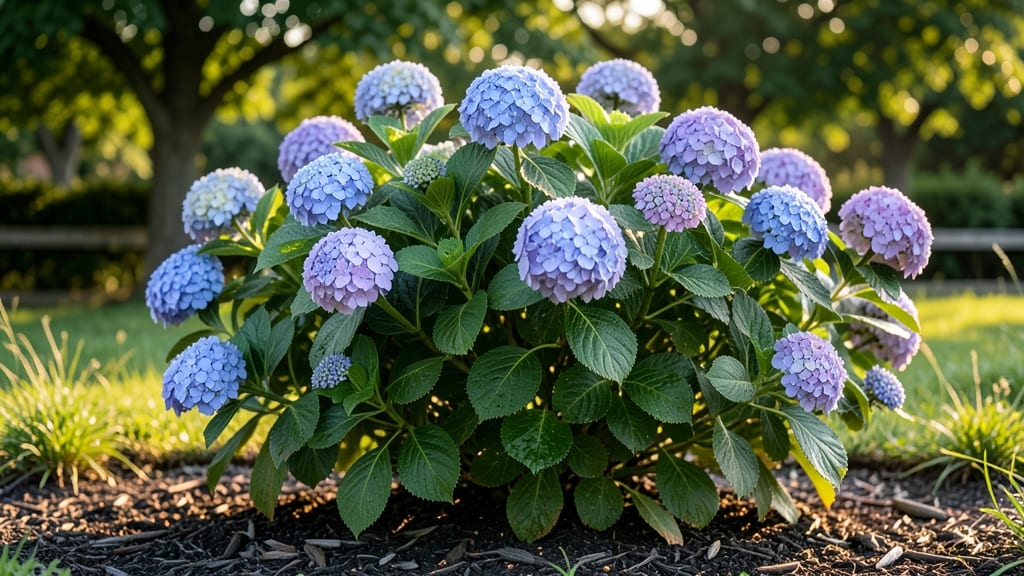
The Endless Summer Hydrangea bloom time is what separates a few weeks of color from months of show-stopping 🌸—and the difference often comes down to where you live and how you care for it.
If you’ve ever wondered why your Endless Summer hydrangea blooms sporadically—or how to extend its vibrant display—understanding its bloom time by hardiness zone and variety is the key to year-round color.
In Zone 6a, where these shrubs thrive, the first flush of blooms typically arrives in late spring, but with the right pruning and feeding, you can coax a second round through summer and even into fall.
Here’s how to pinpoint your plant’s bloom window, troubleshoot delays, and keep those lavender-blue clusters coming back stronger every season.
Endless summer hydrangea bloom time by USDA hardiness Zone: when to expect peak blooms
The Endless Summer hydrangea is famous for its reblooming ability, but bloom times vary dramatically by USDA hardiness zone and local climate. In cooler zones like 4-6, expect a spring flush followed by a late-summer rebloom, while warmer zones 7-9 often see continuous blooms with proper care.
Understanding these patterns helps you plan for year-round color and adjust care routines accordingly.
Your hydrangea's bloom schedule depends on two key factors: first flush timing (spring) and rebloom triggers (summer). In Zones 4-5, cold snaps can delay spring blooms until late May or June, while Zones 8-9 may see early blooms as soon as March or April.
Heatwaves in southern regions can also shorten bloom windows if plants aren't properly hydrated.
| USDA Zone | Spring Bloom Window | Rebloom Window | Peak Color Month | Climate Notes |
|---|---|---|---|---|
| 4-5 | Late May - Early June | Late July - August | June & August | Cold delays spring blooms; protect from late frosts |
| 6 | Early May - June | Mid-July - September | June & August | Ideal zone for continuous blooms with proper care |
| 7 | April - May | June - October | May & September | Humidity helps; mulch to retain moisture |
| 8-9 | March - April | May - November | April & September | Heat stress can reduce blooms; provide afternoon shade |
The first flush of blooms appears on old wood (last year's growth), typically in spring when temperatures consistently stay above 50°F (10°C). In Zones 4-6, this often means waiting until late May to see those showstopping pink or blue blooms.
If you're in Zones 7-9, you might spot early blooms as soon as March, but these can get damaged by late frosts common in southern winters.
For the rebloom to happen, your hydrangea needs to produce new wood (current season's growth) that can support second flush blooms. This usually occurs 6-8 weeks after pruning in late winter or early spring.
In warmer climates (Zones 8-9), reblooming can extend into October or November, while cooler zones (4-6) typically see reblooms taper off by September.
If your Endless Summer hydrangea isn't reblooming as expected, check these three common culprits: improper pruning (cutting old wood too late), nutrient deficiencies (lack of phosphorus), or environmental stress (extreme heat/drought).
In Zone 9, for example, summer heatwaves above 95°F (35°C) can cause buds to abort, while Zone 4 plants may struggle with late-season heat after a cold spring.
To extend bloom time, focus on consistent moisture (hydrangeas hate drought) and light feeding every 4-6 weeks during the growing season. In Zones 7-9, I recommend mulching deeply (3-4 inches) to retain soil moisture and regulate root temperature.
For cooler zones (4-6), protect plants with burlap wraps during late frosts to prevent bud damage.
One pro tip for Zone 8 gardeners: If your hydrangea blooms early in March, consider lightweight frost cloth to shield flowers from unpredictable late frosts.
In Zone 5, I've found that planting near a south-facing wall can advance bloom time by 2-3 weeks by providing extra warmth to the roots.
For maximum bloom duration, time your renewal pruning for late winter or early spring (just as buds swell). In Zones 4-6, wait until after the last frost date to prune, while Zones 7-9 can prune as early as February.
Always remove dead or weak stems first, then trim back last year's growth by 1/3 to encourage new, blooming stems.
Remember, hydrangea blooms are sensitive to soil pH—lower
How to extend endless summer hydrangea bloom time: pruning, fertilizing, and seasonal care tips
Your Endless Summer hydrangea can bloom from early summer until frost—but only if you follow the right care routine. The key to continuous blooming lies in three critical areas: pruning, fertilizing, and seasonal adjustments.
Unlike traditional hydrangeas, this variety produces reblooms on both old and new wood, giving you a second chance for color if you act at the right time.
Many gardeners mistakenly prune at the wrong time, accidentally removing next year’s flower buds. Others over-fertilize, which can lead to lush foliage but fewer blooms.
Let’s fix that with a step-by-step approach tailored to maximize your hydrangea’s potential. Start by understanding the pruning timeline—because timing is everything for rebloomers.
- 1 Deadhead spent blooms in early summer to encourage reblooming on new wood. Use clean, sharp pruning shears to cut just above the first set of healthy leaves below the bloom.
- 2 Renewal pruning in late winter (before buds swell) removes old, woody stems to redirect energy to new growth and more blooms. Aim to cut back 1/3 of the oldest stems to the ground.
- 3 Fertilize in early spring with a balanced 10-10-10 formula to support new growth. Apply 1 tablespoon per plant and water deeply to prevent root burn. Avoid high-nitrogen fertilizers, which promote leafy growth over blooms.
- 4 Light feeding in summer (every 6-8 weeks) with a low-phosphorus fertilizer like 5-10-10 keeps blooms coming without overstimulating the plant. Stop fertilizing by mid-summer to allow buds to set for fall blooms.
- 5 Mulch in fall with 2-3 inches of organic mulch (like shredded bark) to insulate roots and protect dormant buds from winter temperature fluctuations. This prevents delayed or uneven blooming in spring.
Don’t forget the watering routine—consistent moisture is non-negotiable for hydrangeas. During peak bloom season (June-August), water deeply 2-3 times per week to keep the soil evenly moist.
Let the top 1-2 inches dry out between waterings to avoid root rot, but never let the plant wilt. Morning watering is best to reduce foliar diseases and pest pressure.
In USDA Zones 4-5, protect your hydrangea from late spring frosts by covering it with a frost blanket if temperatures dip below 28°F. Even a light frost can damage new growth and delay blooming.
Once buds form, avoid heavy pruning—this can remove next year’s flowers. Instead, focus on supportive care like regular deadheading and balanced fertilization.
With these seasonal adjustments, your Endless Summer hydrangea will reward you with longer, more abundant blooms from early summer through fall. The secret? Consistency in care and timing in pruning. Start today, and enjoy a show-stopping display that lasts all season long! 🌸