
Blooming
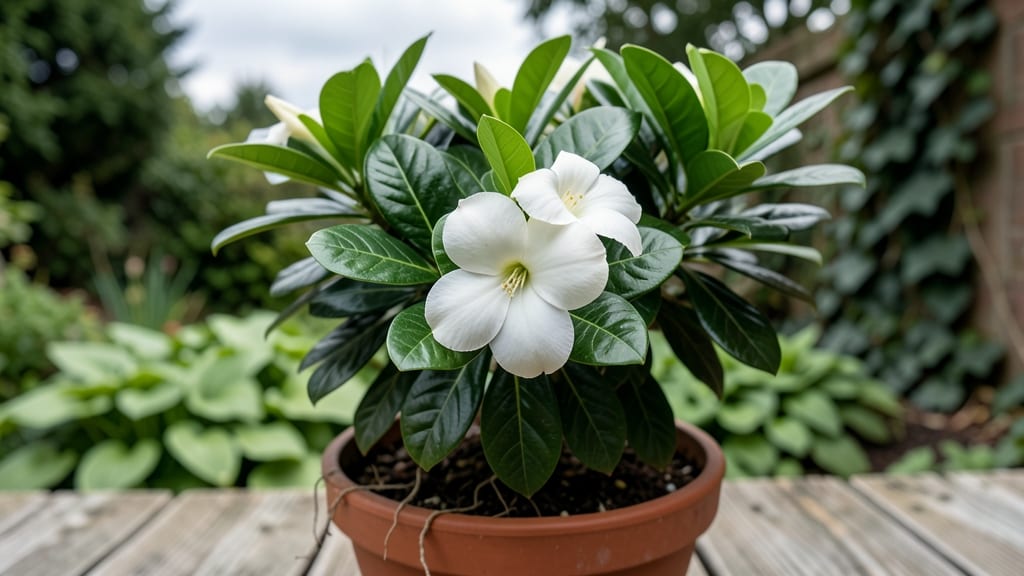
Gardenia blooms in Florida are triggered by heat and humidity, typically arriving between late spring and early summer—though the exact timing depends on your variety and microclimate.
Picture this: you’ve waited all year for that sweet, intoxicating scent of gardenias 🌸, only to find your plant blooming erratically or skipping seasons entirely. Florida’s tropical climate means gardenias can flower year-round in some areas, but most varieties follow a predictable heat-triggered schedule—if you know where to look.
Common gardenias like ‘Kleim’s Hardy’ often burst into bloom by May or June, while tropical varieties such as ‘Radicans’ may start as early as March in warmer zones like Miami.
Meanwhile, in North Florida’s 9a-11 regions, cooler mornings can delay flowering until June or July—unless you tweak a few key conditions.
Below, I break down the bloom windows by variety, how to nudge your gardenia into flowering earlier (or later), and the three biggest mistakes that keep Florida gardeners waiting for those fragrant blooms.
Florida gardenia bloom seasons by variety: heat-triggered timeline
Florida’s warm climate makes gardenias thrive year-round, but their bloom timing varies dramatically by variety and heat exposure. Unlike northern climates, Florida gardenias don’t follow strict seasonal cues—they respond to temperature shifts, humidity spikes, and even afternoon thunderstorms.
The key to predicting blooms lies in understanding how each cultivar reacts to Florida’s 90°F+ heat waves and 90% humidity.
Most gardenias in Florida bloom twice yearly: a spring flush (March–May) and a fall flush (September–November). However, heat-sensitive varieties like ‘Veitchii’ may skip summer blooms entirely, while hardier types like ‘Kleim’s Hardy’ can produce year-round flowers with proper care.
The timing difference between early and late bloomers can be up to 6 months, so choosing the right variety for your landscape goals is critical.
Here’s how Florida’s climate triggers blooms: Gardenias need a 10°F temperature drop to set buds, but they won’t bloom if soil stays too wet or too dry. In South Florida (Zone 11), blooms may appear year-round, while North Florida (Zone 9a) sees more pronounced seasonal patterns. Humidity above 80% can delay bud opening, and prolonged heatwaves above 95°F often cause buds to drop before flowering.
🌸
| Variety | Primary Bloom Period | Heat Response | Humidity Tolerance | Florida Zone Suitability |
|---|---|---|---|---|
| ‘Kleim’s Hardy’ | Year-round (peaks Mar–May & Sep–Nov) | Heat-tolerant (blooms even at 100°F) | High (thrives in 90%+ humidity) | 9a–11 |
| ‘Radicans’ | Early spring (Feb–Apr) & late fall (Oct–Dec) | Moderate (bud drop at 95°F+) | Moderate (needs airflow to prevent mildew) | 9b–11 |
| ‘Veitchii’ | Late spring (May–June) & early fall (Aug–Sep) | Heat-sensitive (skips blooms in summer) | High (but needs dappled shade) | 10a–11 |
| ‘Fortuniana’ | Summer (June–Aug) (unusual for Florida) | Heat-loving (blooms best at 85–95°F) | Moderate (can scorch in 100°F+) | 9b–11 |
| ‘Mystery’ (dwarf) | Spring (Mar–May) only | Moderate (buds drop in prolonged heat) | High (compact growth handles humidity) | 9a–11 |
The ‘Kleim’s Hardy’ variety is the most reliable for Florida gardeners, producing continuous blooms even during summer’s peak heat. This cultivar’s secret? It evolved to handle South Florida’s tropical climate, where temperatures rarely drop below 60°F.
For North Florida growers in Zone 9a, ‘Radicans’ is a better bet—its early spring blooms align with cooler weather, while ‘Veitchii’ shines in shadier, humid microclimates like coastal areas.
If you live in Central Florida (Zone 9b), try ‘Fortuniana’ for a summer bloom surprise. This variety defies the norm by flowering when most gardenias rest, thanks to its heat-triggered mechanism.
However, it requires extra afternoon shade to prevent leaf scorch. For container gardening, ‘Mystery’ dwarf gardenias are ideal—their compact size and single spring bloom
How to extend gardenia blooming in Florida: pruning, fertilizing, and climate hacks
Florida’s warm climate lets gardenias bloom almost year-round, but with the right care, you can push their flowering season even longer. The secret lies in understanding their needs—acidic soil, proper pruning, and strategic fertilizing—all while protecting them from Florida’s occasional extreme heat or humidity shifts.
I’ve learned that gardenias respond best when you mimic their natural tropical environment, even in our subtropical state.
One of my biggest mistakes was over-pruning, which stunted my gardenia’s blooms. Now, I focus on light pruning after flowering to encourage bushier growth and more buds. Pair that with the right fertilizer schedule, and you’ll see a dramatic difference in bloom duration.
Let’s dive into the key steps to keep your gardenias flowering like clockwork.
🌸 5 Pro Tips to Extend Blooming
- 🌡️ Prune after blooms fade – Trim spent flowers and shape lightly to promote new growth. Avoid heavy pruning in summer.
- 💧 Water deeply in mornings – 1-2 gallons per plant, 2-3 times weekly. Never let soil dry completely.
- 🌱 Fertilize with acid-loving formula – Use 8-4-8 NPK every 6 weeks in spring/fall. Skip winter feeding.
- ☀️ Shade from afternoon sun – Protect from 12-4 PM rays to prevent leaf scorch and stress.
- 🌧️ Mulch heavily in summer – 3-4 inches of pine bark mulch retains moisture and regulates soil temp.
Your gardenia’s soil pH is the foundation of healthy blooming. These plants thrive in acidic soil (5.0-6.0 pH)—if your soil tests higher, amend it with sulfur or peat moss.
I once had a gardenia with sparse blooms until I adjusted the pH, and the difference was night and day. Pair this with slow-release acid fertilizer in spring and fall to keep your plant happy.
Florida’s humidity and heat can stress gardenias if not managed properly. During summer’s peak (June-August), I increase watering to daily deep soaks while ensuring good airflow to prevent fungal issues.
A light morning misting can also help maintain that tropical feel they love. Just avoid wetting the leaves at night to prevent mildew.
For late-season blooms, protect your gardenias from unexpected cold snaps (even in Florida’s warmer zones). A lightweight frost cloth or moving potted plants to a sheltered spot can save your blooms. I’ve seen gardenias continue flowering into October when given this extra care—something I never expected in our climate!
Remember, gardenias reward patience. By combining proper pruning, acidic soil care, and seasonal adjustments, you’ll enjoy their intoxicating scent for months longer than average. Start with these tips, and soon your gardenia will be the star of your Florida landscape all year round. 🌿