
Blooming
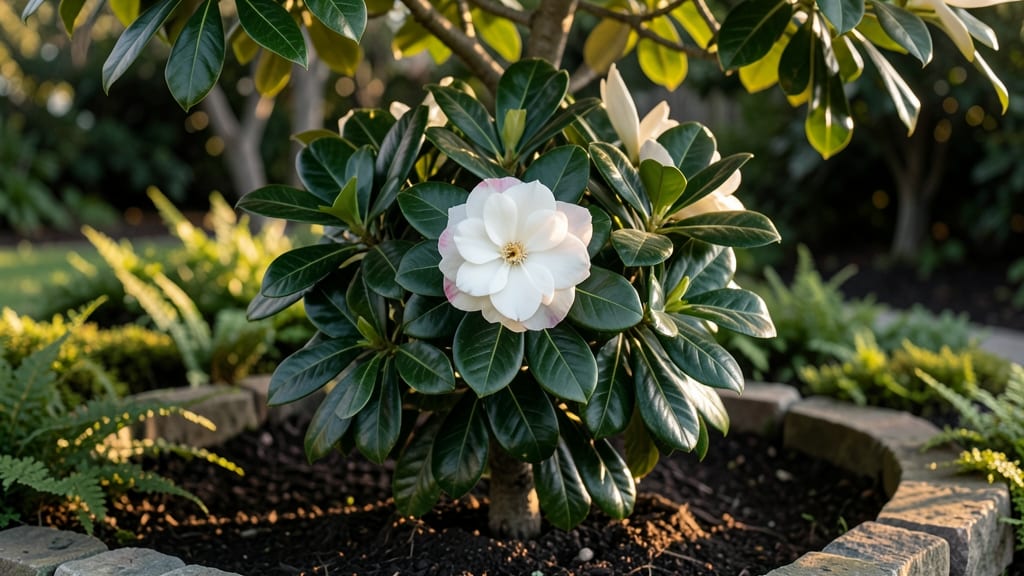
Gardenias bloom in North Carolina from late May through July, with timing influenced by warm temperatures and extended daylight, though varieties and local climate create regional differences. Southern areas may see blooms as early as April, while northern zones typically flower in June or July.
North Carolina's gardenias thrive when daytime temperatures consistently reach 70°F or higher, which usually kicks off their blooming season in late spring. 🌸 The longer daylight hours of summer provide the energy they need to produce those iconic fragrant flowers.
In coastal regions like Wilmington, you might spot early bloomers in April thanks to milder winters, while mountain areas like Asheville often delay until June due to cooler nights.
I've found that gardenias planted in well-draining, slightly acidic soil (pH 5.0-6.5) with morning sun and afternoon shade produce the most abundant blooms.
What's interesting is how gardenias respond to winter conditions. They enter dormancy when temperatures drop below 30°F, which can delay or reduce blooming if winters are unusually cold.
That's why selecting cold-hardy varieties like 'Kleim's Hardy' gives you better reliability in NC's diverse climate zones. Proper pruning after blooming also encourages stronger growth for next season's flowers.
💡 In This Article
- Climate Factors Affecting Gardenia Blooming in NC
- Best Gardenia Varieties for North Carolina Gardens
Climate factors affecting gardenia blooming in NC
Gardenias rely on a delicate balance of warmth and daylight to trigger their blooming cycle. The key factor is daytime temperatures consistently reaching 70°F or higher for at least 2-3 weeks, which signals the plant to produce flowers.
This typically happens in late May across most of NC, but coastal areas like Wilmington and Morehead City can see blooms as early as April due to their milder winters and extended growing seasons. The Coastal Plain's subtropical influence creates a 10-14 day head start compared to inland regions.
Daylight hours play an equally crucial role—gardenias need 12+ hours of sunlight daily to stimulate flowering. This explains why northern mountain regions like Boone or Asheville often see delayed blooming until June or July, as shorter summer days and cooler nights slow their development.
Humidity also matters: gardenias thrive in NC's 40-60% humidity range, but excessive moisture or drought stress can disrupt blooming. I've noticed that years with early heatwaves (like 85°F+ in May) can push blooming forward by 2-3 weeks, while unseasonably cool springs delay them.
Winter conditions create another critical variable. Gardenias enter dormancy when temperatures drop below 30°F, which can damage buds and reduce next season's blooms. The Piedmont region's Zone 7b-8a climate provides moderate protection, while mountain areas (Zone 6b) require cold-hardy varieties.
Frost sensitivity explains why gardenias planted in high-elevation areas often produce fewer flowers—they simply don't get enough winter recovery time. What most people don't realize is that gardenias need 4-6 weeks of consistent warmth after dormancy to fully restart their growth cycle.
Regional microclimates create fascinating variations in blooming patterns. For example, the Coastal Plain's warmer winters allow early bloomers like 'Radicans' to flower by late April, while the Mountains' shorter growing season may only support late June blooming.
Even within the same city, elevation differences can shift blooming by 1-2 weeks. The key takeaway is that gardenias in NC respond to a three-part trigger system: warmth, daylight, and post-winter recovery—all of which vary dramatically across the state's diverse geography.
Consider these regional blooming windows for common NC areas:
- Coastal Plain (Wilmington, Fayetteville): April 15 - June 15 (earliest bloomers)
- Piedmont (Raleigh, Charlotte): May 1 - June 30 (peak season)
- Mountains (Asheville, Boone): June 15 - July 31 (latest bloomers)
This regional variation explains why gardeners in different parts of NC often see their plants bloom at completely different times—even when planted with the same variety. The lesson? Location matters more than the variety name when predicting blooming schedules. 🌿