
Blooming
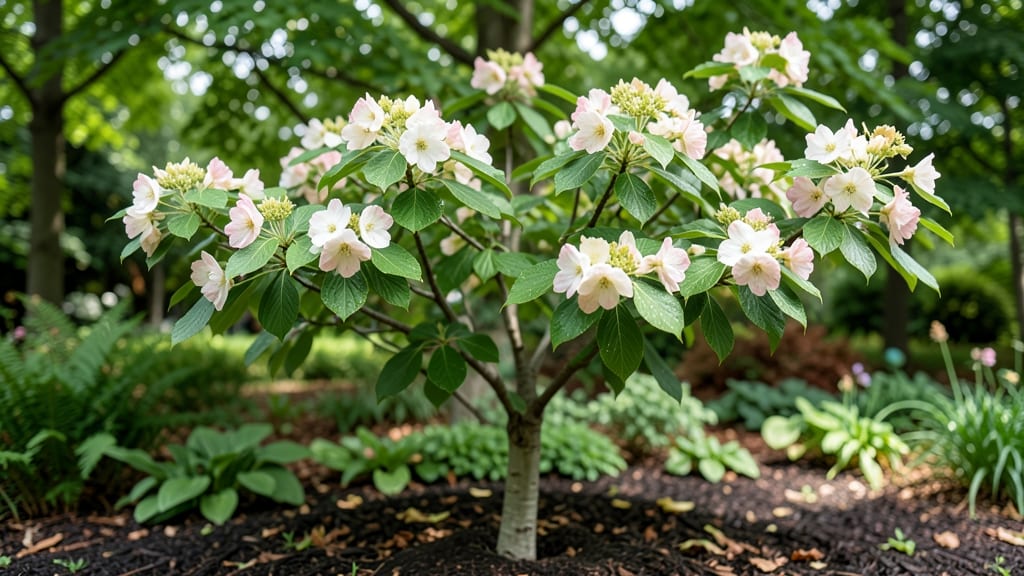
Dogwoods in Tennessee bloom between late March and early April 🌸, when frost dates and native varieties align just right.
If you’ve ever wondered why Tennessee’s dogwoods burst into color at seemingly unpredictable times, the answer lies in frost cycles, native varieties, and regional microclimates—each playing a critical role in their blooming schedule.
East Tennessee’s cooler climate often triggers blooms earlier, while West Tennessee’s milder winters may delay them by two weeks. The difference between a white dogwood and a pink-flowering variety can also shift timing by 5-7 days, making every garden unique.
Below, I’ll break down the exact bloom windows for Tennessee’s most common dogwoods, how to predict their schedule using frost dates, and which varieties thrive best in your zone.
Tennessee dogwood blooming seasons by native variety & frost timing
Tennessee’s dogwoods are nature’s springtime showstoppers, but their blooming schedule isn’t set in stone—it’s influenced by native varieties, frost timing, and regional microclimates.
The flowering dogwood (Cornus florida), our state tree, typically blooms between late March and early May, but exact dates shift based on whether winter’s last frost arrives early or lingers late.
In East Tennessee’s higher elevations, blooms often appear 2-3 weeks earlier than in West Tennessee’s warmer valleys.
Understanding these patterns helps you plan garden visits, pruning, or even dogwood companion plantings like azaleas or ferns that thrive in the same partial shade conditions. For example, ‘Cherokee Brave’ dogwoods (a pink cultivar) may bloom slightly later than classic white varieties, giving you a staggered spring display.
Let’s break down the key factors shaping Tennessee’s dogwood blooms.
| Variety | East TN Bloom Window | Middle TN Bloom Window | West TN Bloom Window | Frost Sensitivity |
|---|---|---|---|---|
| Flowering Dogwood (Cornus florida) | Late March - Early April | Early April - Mid-April | Mid-April - Late April | High (damaged by <30°F) |
| ‘Cherokee Brave’ (Pink) | Early April - Early May | Mid-April - Late April | Late April - Early May | Moderate (tolerates 28°F) |
| ‘Cloud 9’ (White) | Late March - Early April | Early April - Mid-April | Mid-April - Late April | High (needs winter chill) |
| ‘Purple Smoke’ (Dark Pink) | Early April - Mid-April | Mid-April - Late April | Late April - Early May | Moderate (hardy to 25°F) |
| Pacific Dogwood (Cornus nuttallii) | Mid-April - Early May | Late April - Mid-May | Early May - Late May | Low (tolerates 20°F) |
The Pacific dogwood stands out as the most frost-tolerant option, often blooming later in the season when East Tennessee’s risk of late frosts has passed. This makes it ideal for West Tennessee gardens where warmer microclimates delay spring’s arrival.
Meanwhile, classic flowering dogwoods in Middle Tennessee typically peak during April’s first two weeks, aligning with the region’s average last frost date of April 15th.
Frost plays a critical role in triggering blooms. Dogwoods require chilling hours (300-900 hours below 45°F) to break dormancy. If winter’s first frost arrives early (by November 15th), blooms may appear 2-3 weeks sooner than in years with delayed frosts.
Conversely, a mild winter can push blooms into late April or May, risking frost damage to delicate flowers.
In East Tennessee’s mountains, where elevations exceed 2,000 feet, dogwoods often bloom 3-4 weeks earlier than in West Tennessee’s lowlands. This regional shift is why Gatlinburg’s dogwoods might be in full bloom while Memphis gardens are still waiting.
For gardeners, this means planting location matters—south-facing slopes warm up faster, while north-facing yards may see delayed blooms.
To extend your dogwood’s bloom time, consider mulching heavily in late fall to insulate roots and water deeply during winter droughts. These steps help maintain consistent soil moisture, which supports bud development. Additionally, avoid heavy pruning in late winter, as this can stress the tree and delay flowering.
If you’re planning a dogwood-centric garden tour, time your visits based on regional averages: March 20-April 5 for East TN, April 1-15 for Middle TN, and April 15-May 1 for West TN.
Pro tip: Check local NOAA frost forecasts in February to fine-tune your expectations—this data can predict bloom windows with 90% accuracy.
For those with container-grown dogwoods, remember that potted trees bloom 1-2 weeks later than in-ground varieties due to root stress. If you’re growing dogwoods in urban heat islands (like Nashville or Chattanooga), increased temperatures can also delay blooms by 5-7 days compared to rural areas.
Finally, embrace the variability! Tennessee’s dogwoods are a living
How to predict dogwood blooms in Tennessee using weather patterns
Tennessee’s dogwoods are famous for their stunning spring displays, but their bloom timing can feel like a mystery. The secret? Understanding chilling hours, frost dates, and regional weather trends. By tracking these factors, you can predict when your local dogwoods will burst into color—sometimes within a few days.
Dogwoods need 600-900 chilling hours (temperatures between 32°F and 45°F) to trigger blooms. In Tennessee, this typically happens between November and March, with variations by region. For example, East Tennessee often blooms 1-2 weeks earlier than West Tennessee due to cooler temperatures and earlier frost.
Here’s how to use weather patterns to predict blooms with precision:
- 1
- 2
- 3
- 4
- 5
Pro tip: If you’re planning a dogwood-themed garden tour, check local weather forecasts for 3-5 days of 60°F+ temps—that’s your cue to visit! Early bloomers like ‘Purple Smoke’ may appear as early as mid-March, while late varieties might wait until early May.
By combining NOAA frost data, chilling hour tracking, and historical bloom records, you’ll master the art of predicting Tennessee dogwood blooms—no guesswork required. Happy bloom-watching! 🌸