
Blooming
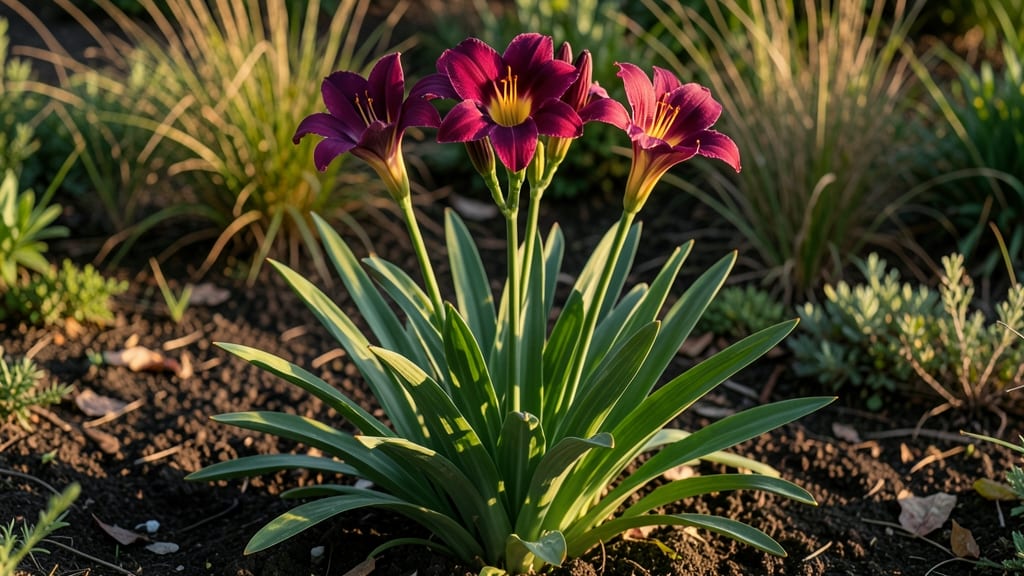
Daylilies in Zone 7 bloom from late spring through early fall 🌸, with most varieties hitting their peak between June and August.
If you’ve ever missed the stunning display of gold, pink, or purple blooms because you didn’t know the exact timeline, you’re not alone. These hardy perennials thrive in our climate, but their bloom window depends on sunlight, variety, and even last winter’s chill hours.
Understanding the month-by-month schedule helps you plan companion plants, extend the season, and troubleshoot why your daylilies might bloom early or late. Some varieties even rebloom later in the year if cared for properly.
Below, I’ll break down the typical blooming periods, how to prolong those vibrant flowers, and the best varieties for a longer-than-ever display in your garden.
Daylily blooming timeline in Zone 7: month-by-month breakdown
If you’ve ever wondered when do daylilies bloom in Zone 7, the answer depends on your specific varieties and local microclimates. Most daylilies in this zone burst into color from late May through September, with peak blooming typically occurring in June, July, and August.
Understanding this timeline helps you plan companion plants, extend the season, and troubleshoot if blooms arrive early or late.
Daylilies are known for their long bloom season, often producing flowers over 4–6 weeks per flush. In Zone 7, many varieties rebloom, meaning they produce two distinct bloom cycles—one in early summer and another in late summer or early fall.
However, not all daylilies rebloom, so variety selection matters if you want continuous color.
Climate variations like early springs or heatwaves can shift bloom times significantly. For example, a warm spring might push early bloomers to flower in May instead of June, while prolonged summer heat can delay or shorten blooming periods.
Let’s break down the month-by-month timeline to help you anticipate and enjoy your daylilies’ stunning displays.
| Month | Bloom Stage | Key Varieties | Notes |
|---|---|---|---|
| May | Early bloomers begin | 'Stella de Oro', 'Happy Returns' | Early varieties may bloom if spring is warm. |
| June | Peak blooming for most varieties | 'Pardon Me', 'Café au Lait' | Primary bloom flush; deadhead for reblooming. |
| July | Reblooming varieties peak | 'Happy Returns', 'Illumination' | Second flush for rebloomers; fertilize lightly. |
| August | Late-season bloomers | 'David Douglas', 'Pink Damask' | Heat-tolerant varieties shine; reduce watering. |
| September | Final blooms before dormancy | 'Dixie Chipmunk', 'Golden Chimes' | Late bloomers may appear if temps stay mild. |
In May, early bloomers like 'Stella de Oro' often kick off the season, especially if your spring arrives early. These varieties thrive in full sun and well-draining soil, making them ideal for border plantings or container gardens.
If your spring is cool, blooms may push back to late May or early June, so don’t be surprised if your daylilies lag behind schedule.
By June, most daylilies are in full bloom, offering a colorful spectacle that lasts for weeks. This is the perfect time to deadhead spent blooms to encourage reblooming.
Varieties like 'Pardon Me' and 'Café au Lait' are crowd-pleasers, producing vibrant orange and yellow blooms that attract pollinators like butterflies and bees.
July is when reblooming varieties truly shine. If you’ve chosen rebloomers like 'Happy Returns', you’ll enjoy a second flush of flowers that extends your garden’s color palette well into summer. To support this, ensure your daylilies receive consistent moisture and a light feeding of balanced fertilizer every 4–6 weeks.
As summer transitions to August, late-season varieties like 'David Douglas' take center stage. These heat-tolerant daylilies often bloom later in the season, providing color when other perennials may fade. Reduce watering slightly in August to prevent fungal issues, but avoid letting the soil dry out completely.
Even in September, you might spot final blooms from late-season varieties like 'Dixie Chipmunk'. These hardy plants can continue flowering until the first frost threatens, usually around mid-October in Zone 7.
If your fall is mild, you might even extend the season with light mulching to protect roots.
Climate variations can dramatically shift bloom times. For example, an early spring might push blooms to May, while a late frost could delay them until June or July.
Similarly, prolonged heatwaves can cause daylilies to bolt or stop blooming prematurely. To mitigate these issues, choose heat-tolerant varieties and provide afternoon shade during extreme heat.
By understanding this month-by-month timeline, you can plan your garden layout to maximize color and enjoyment. Pair early bloomers with spring bulbs, mid-season varieties with summer annuals, and late
How to extend daylily blooms in Zone 7: pruning and care tips
Daylilies in Zone 7 typically bloom from late May through August, but with the right care, you can coax extra weeks—or even months—of vibrant blooms from your plants. The key lies in understanding their growth cycle and adjusting your maintenance routine to match Zone 7’s climate patterns.
Since daylilies are perennial powerhouses, they reward consistent care with prolonged flowering.
Start by focusing on three critical areas: deadheading, fertilizing, and watering adjustments. These simple steps can transform a 6-week bloom period into a 3-month display.
For example, my ‘Stella de Oro’ daylilies now bloom from June through early September thanks to these techniques. Let’s break down how to make it happen in your garden.
5 Pro Tips to Extend Daylily Blooms in Zone 7
- Deadhead daily: Remove spent blooms immediately to prevent seed formation, redirecting energy to new buds. Use clean pruners for a crisp cut just above the next leaf node.
- Fertilize strategically: Apply a balanced 10-10-10 fertilizer in early spring and after first bloom to fuel regrowth. Avoid summer feeding—it encourages leafy growth over flowers.
- Water deeply but less often: 1–1.5 gallons per plant every 7–10 days encourages deep roots. Shallow watering leads to weak stems and fewer blooms.
- Mulch heavily: Use 3–4 inches of organic mulch (like shredded bark) to retain moisture and regulate soil temperature. This is critical in Zone 7’s heatwaves.
- Prune for reblooming: After first bloom, cut back 1/3 of the oldest foliage to stimulate a second flush of buds. Do this in early July for late-season color.
One common misconception is that daylilies rebloom naturally—they don’t. Most varieties are once-blooming perennials, meaning they produce one main flush of flowers per season unless you actively encourage reblooming.
The pruning step above tricks the plant into thinking it’s spring again, prompting new growth and buds. I’ve seen ‘Happy Returns’ varieties extend their season by 6–8 weeks with this method.
Zone 7’s summer heat can stress daylilies, causing them to bolt or stop blooming. To combat this, provide afternoon shade during peak heat (July–August) using lightweight shade cloth.
This doesn’t mean full shade—daylilies still need 6+ hours of morning sun for optimal blooming. Pair this with consistent watering to keep roots cool and hydrated.
For late-season extension, focus on fall care. After your daylilies finish blooming, avoid cutting back foliage until it yellows naturally (usually late October in Zone 7).
The leaves photosynthesize until frost, storing energy for next year’s blooms. If you prune too early, you’ll weaken the plant and reduce next year’s flower count.
Finally, choose reblooming varieties like ‘Pardon Me’ or ‘Little Grapette’ if you want minimal effort, maximum blooms. These cultivars are bred to produce two to three bloom cycles per season with basic care.
Even with standard varieties, combining these tips can add 4–6 extra weeks of color to your garden—making your daylilies the star of the show from June through September.