
Blooming
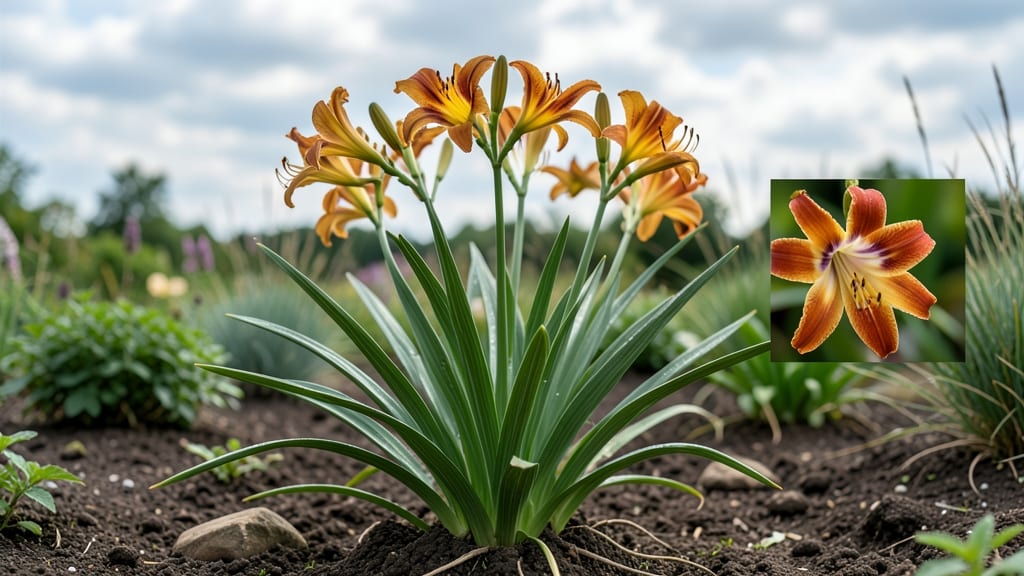
Understanding the daylily bloom period is the key to turning your garden into a season-long floral show instead of a fleeting burst of color.
If you’ve ever wondered why your daylilies bloom for just a few weeks—or how to stretch their vibrant displays into months—you’re not alone. The daylily bloom period varies wildly by variety, and mastering deadheading can turn a fleeting floral show into a season-long spectacle.
Most daylilies bloom for 2-4 weeks in late spring to early summer, but reblooming varieties can extend that to 8 weeks or more with the right care. Whether you’re in zone 6a or further south, timing matters—planting in March-April sets the stage for the best performance.
In this guide, I’ll break down exact bloom weeks by variety, share deadheading tricks to coax more blooms, and help you plan your garden so your daylilies 🌸 put on a show from June through September.
Daylily bloom period by variety: exact weeks and seasonal timing
Daylilies are famous for their prolonged bloom periods, but not all varieties perform the same. Some burst into color in early summer, while others linger into fall, creating a continuous garden display.
Understanding these bloom windows helps you plan your landscape for maximum impact. Climate plays a huge role—cooler zones may see blooms delayed by 2-4 weeks compared to warmer areas.
The key to extending blooms lies in variety selection and deadheading techniques. Reblooming varieties like 'Happy Returns' can produce 3-4 bloom cycles per season, while single-bloomers like 'Stella de Oro' shine brightly but briefly.
Let’s break down the exact bloom periods for popular varieties and how to maximize their potential in your garden.
Early-season daylilies like 'Pardon Me' kick off the show in late June, perfect for filling gaps left by spring bulbs. These varieties often rebloom in fall if given proper care, creating a second wave of color when many gardens fade.
For continuous blooms, pair early bloomers with mid-season varieties like 'Happy Returns', which can extend your display until October in warmer climates.
Late-season performers like 'Bloody Mary' shine in August and September, bridging the gap to fall mums and asters. Their drought tolerance makes them ideal for low-maintenance gardens, while their reblooming habit ensures you won’t miss their dramatic deep red blooms.
In Zone 5 or colder, expect blooms to start 2-3 weeks later due to cooler spring temperatures.
Climate zones dramatically shift bloom timing. In Zone 9 or 10, daylilies may begin blooming as early as May and continue into November, while Zone 4 gardens might only see 6-8 weeks of color between July and September.
To extend your bloom season, choose a mix of early, mid, and late varieties. For example, plant 'Stella de Oro' alongside 'Happy Returns'—the first provides a bold early burst, while the second reblooms into fall.
Proper deadheading is non-negotiable for reblooming varieties. Remove spent blooms immediately after fading to redirect energy to new buds. For single-blooming varieties, deadheading isn’t necessary but can keep foliage tidy.
Always use clean, sharp pruners to avoid damaging stems, which can shorten future bloom periods. I’ve found that morning deadheading prevents afternoon wilting and keeps plants stress-free.
Light levels also influence bloom timing. Daylilies need full sun (6+ hours daily) for optimal flowering, but partial shade can delay blooms by 1-2 weeks. In hot climates, afternoon shade helps prevent bud drop, while cooler zones benefit from south-facing exposure to maximize sunlight.
If your daylilies aren’t blooming, check their light conditions first—often, the fix is as simple as relocating the plant.
Soil fertility plays a
Deadheading daylilies for extended blooms: step-by-step guide
Daylilies are famous for their long bloom periods, but many gardeners miss the trick to maximizing reblooming. Deadheading—removing spent blooms—is the secret to prolonging your daylily display from early summer to frost.
The key lies in timing, technique, and knowing which varieties respond best. Whether you're growing Stella de Oro or Happy Returns, this method can transform a 4-week bloom into 3+ months of color.
Deadheading isn't just about cutting flowers—it's about redirecting energy from seed production back into new blooms. For reblooming varieties, this means consistent care throughout the season. Non-rebloomers (like Kwanso types) don't need deadheading, but rebloomers thrive when you remove spent blooms immediately.
Let's dive into the exact steps to double your daylily's flowering season.
🌸 Step-by-Step Deadheading Guide
- Step 1: Wait for full bloom but before wilting. Deadhead when petals flatten naturally—not when they're drooping or brown.
- Step 2: Use clean, sharp pruners or fingers (for small blooms). Cut just above the first set of leaves below the bloom stem to encourage new shoots.
- Step 3: For rebloomers, remove only the spent bloom, leaving the seed pod intact if you want next year's blooms. For non-rebloomers, cut back to ground level after blooming ends.
- Step 4: Fertilize lightly (10-10-10) 2 weeks after deadheading to boost new growth. Water deeply to prevent stress during hot months.
- Step 5: Repeat weekly during peak bloom (June-August) and bi-weekly in early/late season. Stop deadheading 6 weeks before first frost to harden off plants.
Your tools matter—dull shears can damage stems and invite disease. I use bypass pruners for precision, but clean fingers work for small blooms. Sterilize tools with rubbing alcohol between plants to prevent fungal spread.
Pro tip: Deadhead early morning when blooms are firm and dew-free for cleanest cuts.
Common mistakes shorten bloom periods. Many gardeners wait too long to deadhead, letting blooms wilt completely before cutting.
Others remove too much foliage, starving the plant of energy for new blooms. Rebloomers like Pardon Me or Blooming Beautiful need aggressive deadheading, while single-bloom varieties (like Kwanso) don't benefit. Know your variety!
After deadheading, watch for new buds within 2-3 weeks on rebloomers. If your daylilies stop producing, check for overcrowding or nutrient deficiencies. Divide clumps every 3-4 years to rejuvenate growth—this boosts blooming by 30-50%. Pair deadheading with regular mulching to retain moisture and prevent stress.
With this method, my Stella de Oro daylilies bloom from June to October—nearly 4 months longer than before I started deadheading! The secret? Consistency and understanding your variety. Now it's your turn to transform your garden into a season-long floral show. 🌿