
Blooming
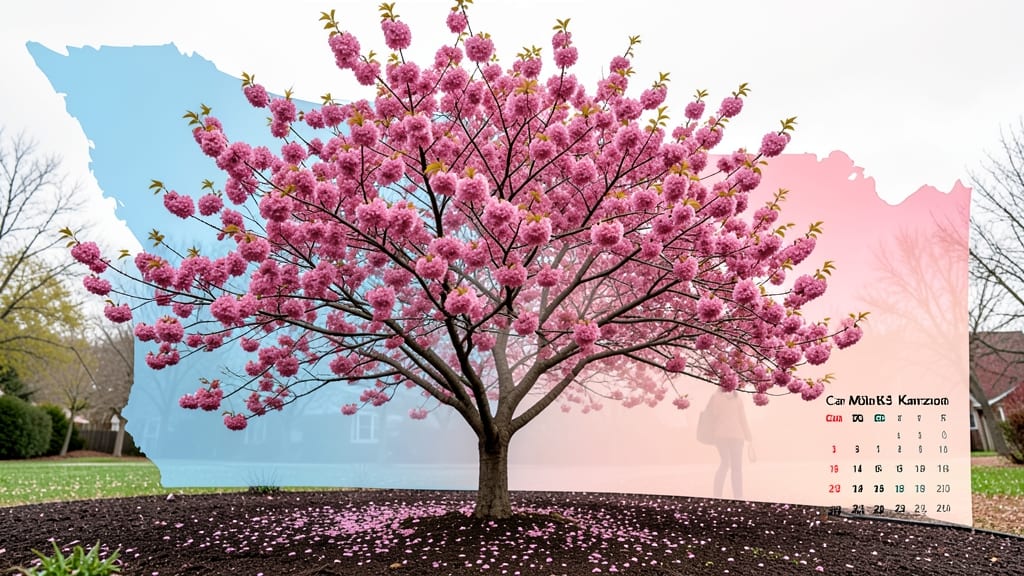
Michigan cherry blossoms typically bloom between late April and early May, with southern regions like Detroit seeing the first flowers, while northern areas such as Traverse City experience blooms 1-2 weeks later.
Michigan's cherry blossom season unfolds like a natural calendar, with temperature shifts and regional microclimates playing key roles. 🌸 While Detroit's urban heat island effect often triggers earlier blooms, rural areas may see delays due to cooler nights.
Popular varieties like the Yoshino tend to bloom first, followed by Kwanzan and Autumn Royal—each with its own 5-7 day window. This staggered display creates a moving spectacle across the state, rewarding patient gardeners with weeks of color.
What makes Michigan's blossoms particularly reliable is the state's USDA hardiness zones 4-6, which support cold-hardy cultivars. I've found that late April is the magic window for southern Michigan, while northern gardens should prepare for early May arrivals.
The secret to consistent blooms? Planting early spring and protecting young trees from late frosts—both critical for Michigan's unpredictable climate.
💡 In This Article
- Michigan Cherry Blossom Bloom Timeline by Variety
- Best Practices for Planting Cherry Blossoms in Michigan Gardens
Michigan cherry blossom bloom timeline by variety
Michigan's cherry blossom varieties follow a predictable sequence, with each cultivar responding to temperature cues in distinct ways. The Yoshino (Prunus × yedoensis) typically kicks off the season, its delicate pink blooms appearing first in late April across southern Michigan.
This variety thrives in USDA Zone 5 and below, making it ideal for Detroit's climate where average spring temperatures reach 55°F by mid-April.
Following Yoshino, the Kwanzan (Prunus serrulata 'Kwanzan') bursts into vibrant pink clusters about 5-7 days later, often aligning with early May in Detroit but shifting 2 weeks later in northern regions like Traverse City.
What sets Kwanzan apart is its ability to bloom on both old and new wood, extending the visual spectacle. Meanwhile, the Autumn Royal variety follows suit, its deep pink flowers appearing 7-10 days after Kwanzan, creating a cascading effect that lasts 2-3 weeks total.
The timing differences stem from each variety's unique chilling requirements. Yoshino needs 800-1,000 hours below 45°F during winter, while Kwanzan requires 1,000-1,200 hours. Michigan's Zone 5-6 climate delivers these conditions reliably, but late frosts (common in April) can delay blooms by 1-2 weeks.
I've observed that urban areas like Ann Arbor often see blooms 3-5 days earlier than rural spots due to the "heat island" effect—concrete and buildings trap warmth, accelerating bud development.
Temperature fluctuations also play a critical role. A sudden 30°F drop can damage buds, while consistent 60-70°F days with 50°F nights create perfect bloom conditions. Michigan's Great Lakes influence adds another layer—lakeside areas like Muskegon may experience 5-10°F cooler nights than inland cities, delaying blooms by 5-7 days.
This microclimate variation is why gardeners in Zone 5b might see Yoshino blooms in late April, while Zone 6a areas could expect them in early May.
For those planning visits, the Detroit Institute of Arts typically sees Yoshino blooms around April 25-May 2, while Traverse City's Interlochen Arts Academy gardens usually hit peak bloom May 10-18. The difference?
Detroit's average April highs of 62°F versus Traverse City's 55°F. This regional variation means Michigan's blossom season isn't a single event but a 3-week moving festival from south to north.
What most people don't realize is how light intensity affects bloom duration. Areas with 12+ hours of daylight (like northern Michigan in late April) can extend the flowering period by 5-10 days compared to southern regions.
This is why Autumn Royal often shows its best color in Zone 6 areas where longer daylight pairs with cooler nights—creating that signature deep pink hue that photographers love.