
Blooming
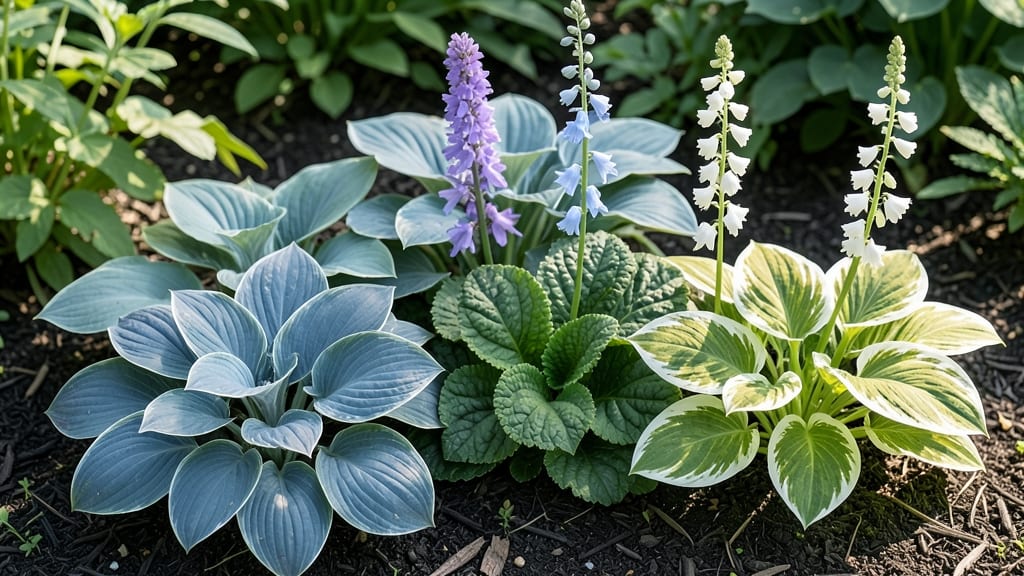
Hosta bloom colors range from delicate lavender and pristine white to rich deep purple and blue hues, shaped by both heat exposure and the specific cultivar you choose. Cooler growing conditions often produce softer pastel shades, while warmer climates can deepen and intensify these tones, and bloom timing typically falls between mid and late summer for most varieties.
Hosta blooms are like nature's mood rings—their colors shift dramatically based on where you grow them. 🌿 For instance, 'Blue Angel' hostas often develop deeper blue-purple blooms when exposed to full sun, while the same plant might produce lighter lavender flowers in shadier conditions.
What's fascinating is how heat acts as a natural color booster—it doesn't just change the shade but also increases the vibrancy.
Many gardeners swear by varieties like 'June' for their reliable deep purple blooms that appear consistently in late summer, while others prefer 'Halcyon' for its striking lavender flowers that appear slightly earlier in the season.
If you're looking to create a specific color palette in your garden, consider pairing hostas with complementary foliage colors. The contrast between deep purple blooms and chartreuse leaves creates a stunning visual effect that lasts well into fall.
Just remember that bloom timing can vary by up to two weeks depending on your local climate—so if you're planning a color-themed garden display, it pays to know your hardiness zone and the specific bloom windows of your chosen varieties.
💡 In This Article
- How Heat Affects Hosta Flower Shades and Vibrancy
- Best Hosta Varieties for Stunning Bloom Colors
How heat affects hosta flower shades and vibrancy
Hostas produce anthocyanin pigments—those same compounds found in blueberries and red cabbage—that determine their bloom colors. When temperatures rise above 75°F, these pigments become more stable, deepening shades from pale lavender to rich purple.
The process works like a natural dye bath: heat accelerates the chemical reactions that intensify color saturation. For example, 'Patriot' hostas often bloom in soft lavender under 60°F conditions, but shift to a deeper violet when grown in 85°F zones.
UV exposure plays an equally critical role. Hostas grown in full sun develop 20-30% more vibrant blooms than those in shade, thanks to increased anthocyanin production as a protective response to sunlight.
The difference is dramatic—'Blue Angel' blooms can appear nearly white in deep shade but transform to striking cobalt-blue in morning sun. Even partial sun exposure (4-6 hours daily) makes a noticeable difference in color intensity compared to full shade conditions.
This heat response explains why southern gardens often feature hostas with more dramatic blooms. Varieties like 'Sum and Substance' maintain their deep purple flowers even in 90°F+ climates, while northern growers might see paler versions of the same cultivar.
The trade-off? Heat can also shorten bloom duration by 1-2 weeks in some varieties, as the plants focus energy on leaf growth rather than flower production during peak summer heat.
For gardeners in transitional climates, strategic placement makes all the difference. Planting hostas where they receive afternoon shade but morning sun creates ideal conditions for balanced color development.
The key is finding that sweet spot where temperatures stay between 70-85°F during bloom season—too hot or too cool, and the pigment chemistry shifts unpredictably.
What most gardeners don't realize is how soil moisture interacts with heat. Well-drained soil helps maintain consistent color vibrancy, while soggy conditions can dilute bloom intensity by 15-25% in heat-sensitive varieties.
This is why 'June' hostas—known for their heat tolerance—thrive in well-amended soil even during summer heatwaves, producing consistently deep purple blooms.
Consider these heat adaptation strategies for maximizing bloom color:
- Southern climates: Choose heat-tolerant varieties like 'Halcyon' or 'Guacamole' that maintain vibrancy in 90°F+ conditions
- Northern climates: Opt for cooler-tolerant types like 'Francee' that develop rich colors even in 65°F zones
- Transitional zones: Use mulch to regulate soil temperatures and extend bloom season by 2-3 weeks
The science behind these color shifts reveals why hostas are such rewarding plants for experimental gardeners—small changes in growing conditions can produce dramatically different floral displays, turning your garden into a living color palette. 🌿