
Blooming
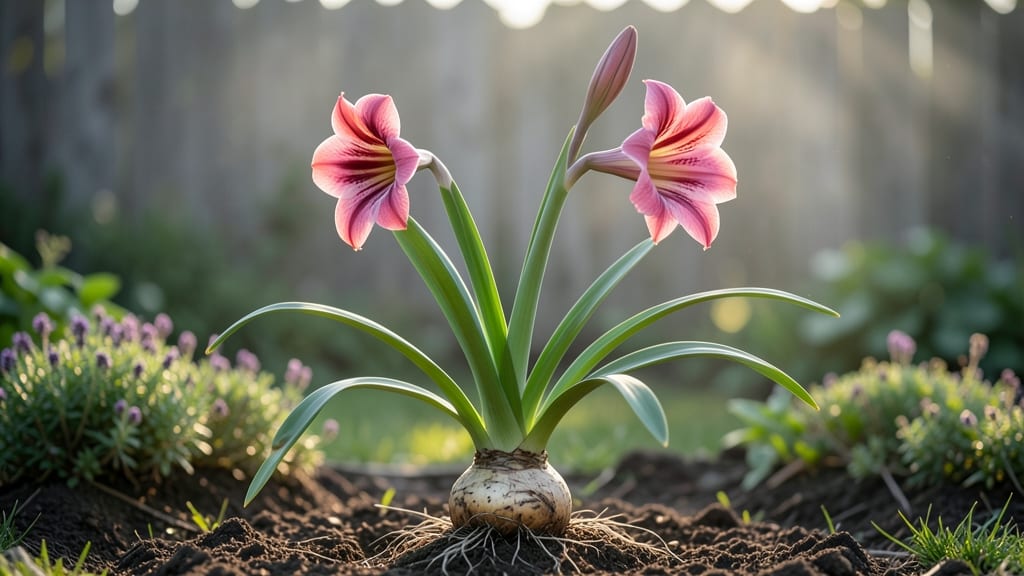
Amaryllis bloom outdoors in late winter to early spring, with timing that shifts dramatically depending on your climate zone.
If you’ve ever planted them in fall only to see flowers vanish by summer, you’re not alone. The key to year-round blooms lies in understanding dormancy, soil conditions, and how your local frost dates shape the cycle.
In cooler regions like USDA Zone 6a, amaryllis typically burst into bloom in February or March, while tropical zones may see flowers year-round with proper care.
Below, I’ll break down the exact planting windows, sunlight needs, and dormancy tricks to extend your amaryllis’s 🌸 showstopping season—no matter where you garden.
Amaryllis blooming seasons by USDA climate zones: when to plant for peak flowers
Amaryllis bulbs are famous for their dramatic spring blooms, but their outdoor flowering windows vary wildly depending on your USDA hardiness zone. In warmer climates (zones 9-11), amaryllis can bloom outdoors year-round with proper care, while cooler zones (3-7) typically see winter blooms after fall planting.
The key? Understanding your zone’s temperature triggers for dormancy and growth.
Most gardeners plant amaryllis bulbs in late summer or early fall to ensure winter blooms, but timing shifts dramatically as you move south. In zone 10+, you might even see summer blooms if planted in spring.
Let’s break down the exact blooming windows by zone so you can plan your planting schedule for peak flower displays every year.
| USDA Zone | Ideal Planting Month | Blooming Window | Dormancy Period | Notes |
|---|---|---|---|---|
| Zones 3-5 | September-October | December-February | June-August | Coldest zones; may need winter mulch |
| Zones 6-7 | August-September | November-January | May-July | Transition zones; watch for early frost |
| Zones 8-9 | July-August | September-December | March-May | Extended blooming; can rebloom |
| Zones 10-11 | Year-round (spring/fall) | Spring & Fall | Minimal (summer heat) | Tropical zones; plant in containers for mobility |
In zones 3-5, where winters are harsh, amaryllis bulbs need 8-10 weeks of cool temperatures (below 60°F) to trigger blooming. Planting in September ensures flowers appear by Christmas, but you’ll need to protect them with mulch or containers during extreme cold snaps.
The dormancy period (summer) is critical—don’t water once foliage yellows.
Gardeners in zones 6-7 have a narrower window for success. Plant bulbs in late August to avoid early frost damage, and expect blooms from November through January. These zones often see unpredictable weather shifts, so use black plastic mulch to maintain soil warmth and extend the growing season.
Warmer climates like zones 8-9 offer the most flexibility. You can plant in July for fall blooms or September for spring blooms. The secret? Strategic watering—reduce watering in summer to force dormancy, then resume in fall. Some varieties even rebloom twice yearly with proper care!
For zones 10-11, amaryllis act more like perennials. Plant in spring or fall for continuous blooms, but move containers indoors during peak summer heat (above 90°F). These zones can support outdoor planting year-round if you choose shade-tolerant varieties like ‘Pink Beauty’ or ‘Red Lion.’
Temperature is the #1 factor controlling blooming time. Amaryllis bulbs need 60-70°F soil temps to grow roots but below 60°F to trigger flower stalks. In hot climates, plant bulbs in partial shade to prevent premature dormancy. Conversely, cooler zones benefit from south-facing beds to capture winter sun.
Pro tip: Use container gardening to adjust blooming times. Move pots indoors before frost in zones 3-7 or outdoors after heatwaves in zones 10-11. This gives you control over microclimates and extends your blooming season by months.
Remember, dormancy is non-negotiable for repeat blooms. After flowers fade, let foliage die back naturally before resuming watering. This 6-8 week rest period recharges the bulb for next year’s showstopping display.
How to time your amaryllis planting for maximum outdoor blooms: a month-by-month guide
Amaryllis bulbs thrive outdoors when planted at the right time—typically 6-8 weeks before your first frost. In USDA Zones 7-10, this means late summer to early fall, but warmer climates offer flexibility.
The key is to plant when soil temperatures drop below 80°F to prevent bulb rot while still allowing roots to establish before winter dormancy.
For cooler zones (5-6), aim for August planting to ensure blooms appear by late fall or early winter. In warmer zones (8-11), you can plant as late as October or even early November—just adjust watering to avoid soggy soil during rainy seasons.
The goal is to let the bulb experience a cooling period to trigger flowering.
Here’s your step-by-step month-by-month planting schedule for outdoor amaryllis success:
In warmer climates (Zones 9-11), you can override dormancy by planting in late fall (November) and watering lightly to encourage blooms by Christmas or New Year’s.
Just ensure daytime temps stay above 50°F—cold snaps can shock the plant. For container-grown amaryllis, move pots indoors before frost to extend the bloom season.
Pro tip: If your amaryllis skips blooming outdoors, it may need more sunlight or a longer dormancy period. In shady gardens, supplement with a grow light for 6-8 hours daily during winter.
Always plant bulbs in well-draining soil—amaryllis hates soggy roots, which leads to rot and missed blooms.
With this timing strategy, you’ll enjoy stunning outdoor blooms from late fall through winter—just in time for holiday cheer! 🌸