
Blooming
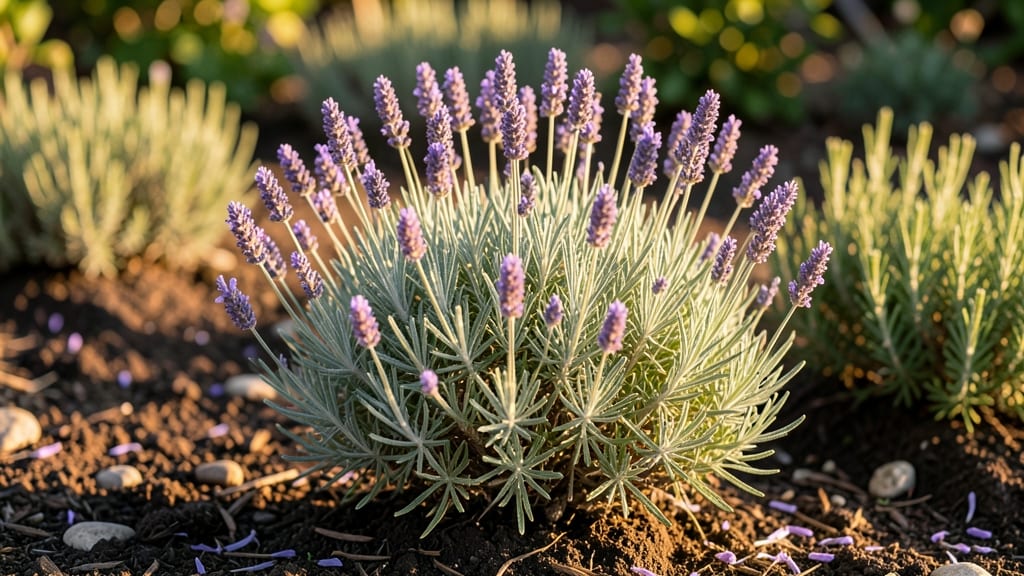
Summer blooming plants turn your yard into a nonstop color party—but not all flowers handle the heat the same way. 🌻 I’ve tested dozens of varieties, and these are the heat-triggered rebloomers that keep flowering from June until frost, even in the hottest zones.
Zinnias and sunflowers are the easiest winners—they thrive in full sun and bloom for weeks without fuss. Roses and hydrangeas, though, need a little extra care: deep watering and afternoon shade in peak heat. The secret to extending blooms? Deadheading spent flowers and feeding them every 4-6 weeks.
You’ll end up with a garden that hums with bees, butterflies, and hummingbirds all season long. The fragrance alone—sweet, citrusy, or vanilla-scented blooms—makes every evening stroll feel like a vacation. And the best part? These plants adapt to containers, borders, or even urban balconies.
Whether you’re in a hot-dry climate or a humid southern summer, these picks deliver bold colors and long-lasting blooms without the fuss. Let’s dive into the top performers and how to keep them flowering until fall.
Nature’s Summer Bloom Trigger
Summer isn’t just a season—it’s a biological cue that sets off a symphony of colors in your garden. But why do certain plants burst into bloom while others stay dormant?
The answer lies in a mix of environmental signals, genetic programming, and survival strategies that have evolved over millennia. Let’s break down the science behind summer’s floral fireworks.
Most summer-blooming plants are photoperiodic or thermoperiodic, meaning they respond to changes in daylight length (photoperiodism) or temperature shifts (thermoperiodism). Here’s how it works:
- Longer Daylight Hours: Plants like Lantana and Zinnias detect increasing daylight (14+ hours in summer) and trigger flowering hormones like florigen. This is why they skip spring blooms—they’re short-day plants that need the long summer stretch to activate.
- Warmer Temperatures: Heat-loving plants such as Salvias and Portulacas require consistent warmth (ideally above 70°F/21°C) to break dormancy. Cold snaps can delay blooms until soil and air temperatures stabilize.
- UV Radiation Boost: Higher UV levels in summer stimulate anthocyanin production, deepening flower colors (think vibrant reds in Geraniums or purples in Cleomes).
Pro Tip: 🌡️ If your summer blooms are sparse, check your microclimate. Urban areas with heat islands or south-facing gardens may trigger earlier blooms, while shaded spots could delay them.
Contrary to intuition, mild stress (like controlled watering) can enhance summer blooms. Here’s the science:
- Drought-Triggered Flowers: Plants like Gaillardias (blanket flowers) and Verbena evolved in arid regions. When roots sense moderate water stress, they produce abscisic acid (ABA), a hormone that signals flowering. Overwatering? You might get lush foliage but fewer blooms.
- Root Zone Temperature: Warm soil (80–90°F/27–32°C) speeds up nutrient uptake, fueling rapid bloom production. Mulch with straw or pine needles to keep roots cozy without overheating.
- Transpiration and Pollinator Lure: Hot days increase transpiration (water loss), which concentrates nectar sugars in flowers. This attracts pollinators, ensuring more successful reproduction—and more blooms for you!
Pro Tip: 💧 Water deeply early in the morning to reduce evaporation and fungal risks. Drip irrigation near the root zone mimics natural rainfall patterns, encouraging consistent blooming.
Not all summer bloomers are created equal. Their life cycles dictate when—and how often—they flower:
| Plant Type | Bloom Trigger | Example Plants |
|---|---|---|
| Annuals | Complete their life cycle in one season; bloom rapidly when days lengthen and temps rise. | Marigolds, Sunflowers, Petunias |
| Perennials | Store energy in roots/tubers over winter; use summer heat to rebloom if given proper care. | Black-Eyed Susans, Coneflowers, Lavender |
| Biennials | Bloom in their second summer after a cold snap triggers flowering hormones. | Foxgloves, Hollyhocks |
Pro Tip: ✨ For perennials, deadhead spent blooms to redirect energy into new flowers. For annuals, pinch back leggy growth to encourage bushier, bloom-heavy plants.
Summer’s explosion of color isn’t just about aesthetics—it’s a co-evolutionary arms race between plants and pollinators. Here’s how it works:
- Heat-Activated Nectar: Flowers like Bee Balm produce more nectar in warm weather, rewarding pollinators (and your garden’s fertility). Cool mornings can slow nectar production.
- UV Patterns for Bees: Many summer flowers have UV-reflective guides invisible to humans but beacon-like to bees. This ensures efficient pollination—and more seeds for next year’s blooms.
- Stress-Induced Scent: Drought-stressed plants (e.g., Lantana) release volatile organic compounds (VOCs) that attract pollinators from miles away. It’s nature’s emergency broadcast system!
Pro Tip: 🐝 Plant in clusters of the same species to create a "pollinator magnet." Include a mix of early, mid-, and late-summer bloomers (e.g., Cosmos → Zinnias → Sunflowers) for a nonstop buffet.
Revitalize Your Summer Garden Now
If your garden feels a little lackluster this summer, don’t worry—there’s always time to turn things around! Whether your plants aren’t blooming as expected, soil conditions are off, or pests are wreaking havoc, these practical solutions will help you restore vibrant summer color.
Let’s tackle the most common issues with actionable fixes and prevention tips to keep your garden thriving all season long.
Cause: Too many plants competing for space, water, and nutrients can stunt growth and reduce blooms.
Solution:
- 🌱 Prune and Thin: Carefully remove overgrown or weak stems to improve airflow and sunlight exposure. Focus on plants like Lantana or Zinnias, which bloom best when not overcrowded.
- ⏰ Replant Strategically: Swap out underperforming plants with fast-growing summer bloomers like Sunflowers or Marigolds to fill gaps and boost color.
- 💡 Pro Tip: Use mulch to retain moisture and suppress weeds, reducing competition for nutrients.
Cause: Overwatering or underwatering can shock plants and halt flowering.
Solution:
- 🍃 Water Deeply, Less Often: Aim for 1–1.5 inches of water per week, delivered directly to the soil (not leaves) to prevent fungal issues. Early morning is ideal to reduce evaporation.
- 🌡️ Adjust for Heat: During extreme heat, water lightly daily to keep roots cool, but avoid soggy soil. Drip irrigation or soaker hoses work best for consistent moisture.
- 🎯 Prevention: Install a rain gauge to monitor water levels and group plants with similar needs together.
Cause: Poor soil quality (lack of nutrients, wrong pH, or compaction) can starve plants.
Solution:
- 🔪 Amend the Soil: Mix in compost or a balanced fertilizer (like 10-10-10) to replenish nutrients. For acid-loving plants (e.g., Hydrangeas), add sulfur to lower pH.
- 👨🍳 Test and Adjust: Use a soil test kit to check pH and nutrient levels. Most summer bloomers prefer slightly acidic to neutral soil (pH 6.0–7.0).
- ✨ Pro Tip: Top-dress with worm castings or bone meal for a phosphorus boost, which encourages flowering.
Cause: Aphids, powdery mildew, or spider mites can defoliate plants and stop blooms in their tracks.
Solution:
- 🔪 Manual Removal: Spray pests off with water or use neem oil for organic control. For mildew, apply a baking soda solution (1 tsp baking soda + 1 quart water + a drop of soap).
- 🍳 Preventative Sprays: Rotate between insecticidal soap and horticultural oil weekly to keep pests at bay.
- 💡 Pro Tip: Attract beneficial insects like ladybugs or lacewings by planting Dill or Cosmos nearby—they’re natural pest predators!
Cause: Direct sun or heat stress can scorch leaves and inhibit blooming.
Solution:
- 🏡 Provide Shade Cloth: Use lightweight shade cloth (30–50% coverage) for delicate plants like Impatiens during peak afternoon sun.
- 🌿 Mulch Heavily: Apply 2–3 inches of mulch to insulate roots and retain moisture, protecting plants from temperature swings.
- 🎯 Prevention: Choose heat-tolerant varieties (e.g., Lantana, Portulaca) for full-sun areas and avoid transplanting during heatwaves.
With these targeted fixes, your summer garden will rebound faster than you think! Focus on one issue at a time, and soon you’ll be enjoying a riot of color—no dead zones in sight. 🌺✨
Frequently asked questions about summer-blooming plants
Which summer flowers attract the most pollinators?
Look for bee balm, cone flowers, and black-eyed Susans—they’re pollinator magnets! These plants produce abundant nectar and have flat flower heads perfect for bees and butterflies. Plant them in clusters for maximum impact.
Can I grow summer bloomers in containers?
Try zinnias, petunias, or portulacas in pots—they thrive in containers with at least 6-inch-deep soil. Use lightweight potting mix and water consistently, as containers dry out faster than garden beds.
Why aren’t my summer flowers reblooming?
Most likely, you’re not deadheading (removing spent blooms). This redirects energy to new flowers! For perennials like daylilies, trim back foliage after blooming to encourage a second flush. Annuals like marigolds may need pinching back leggy stems.
What’s the easiest summer flower for beginners?
Sunflowers and cosmos are foolproof! They grow fast, handle heat, and bloom nonstop with minimal care. Sunflowers even improve soil health by fixing nitrogen—just plant seeds directly in well-drained soil and watch them grow!
How do I extend summer blooms until frost?
Feed plants every 4-6 weeks with a balanced fertilizer, and mulch heavily to retain moisture. For heat-sensitive plants like hydrangeas, provide afternoon shade during peak summer. Deadheading regularly keeps blooms coming until fall!