
Blooming
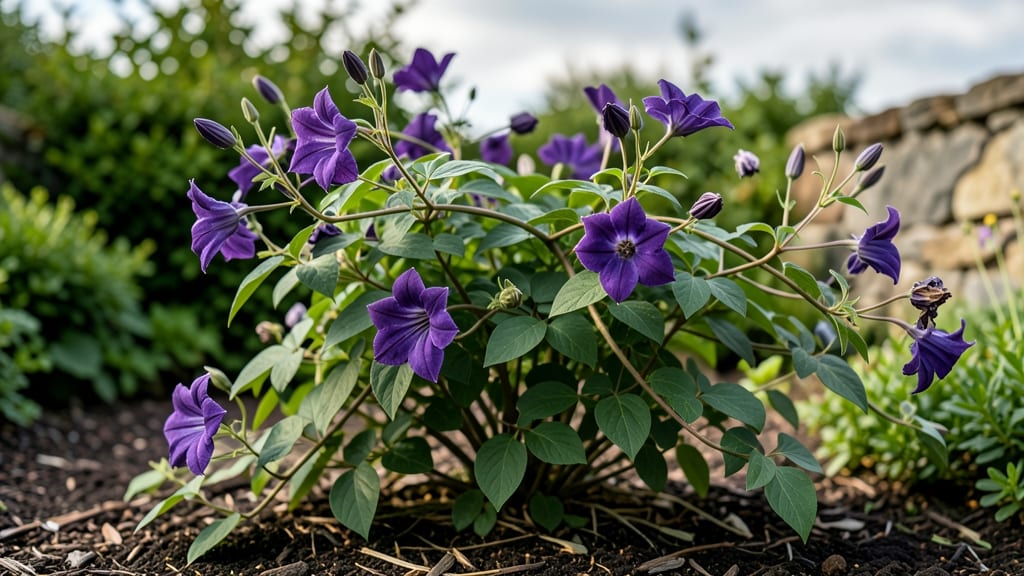
My garden’s summer color curtain starts with the vines that bloom all summer, unfurling trumpet blooms by June and never letting up—until frost. 🌿 These heat-resistant vines turn trellises into living canvases, their flowers lasting longer than any annual I’ve tried, and they thrive even when temperatures hit 90°F. The secret lies in their deep roots and continuous reblooming nature, which keeps them producing flowers from early summer straight through Labor Day.
Most of these vines need full sun to partial shade—think south-facing walls or east-west trellises—and they’ll reward you with blooms if you keep them well-watered (but not soggy) and prune spent flowers regularly.
I’ve seen clematis, morning glories, and passionflowers all perform like champs in my zone 7 garden, even when other plants wilt. The key is choosing varieties bred for heat tolerance, like ‘Jackmanii’ clematis or ‘Heavenly Blue’ morning glory.
By late August, your vertical garden will be a nonstop floral show, with vines spilling over arbors in cascades of pink, blue, and purple. The best part? These plants attract pollinators all season long, turning your yard into a hummingbird and bee magnet.
Pair them with drought-tolerant ground covers like creeping thyme to keep moisture levels steady without extra work.
Whether you’re dressing up a bare fence or adding drama to a patio, these vines deliver effortless summer color that outlasts most annuals. Start with one or two varieties this year, and you’ll never buy bedding plants again—they’ll be too busy blooming overhead. Let’s pick your perfect vine match!
📚 In This Guide
- What you need
- Instructions
- Tips and common mistakes
- Wrapping up and next steps
What you need
- ● Vine Plants: 1–3 Clematis (e.g., 'Jackmanii' or 'Nelly Moser'—choose heat-tolerant varieties)
- ● 1–2 Morning Glory vines (e.g., 'Heavenly Blue' or 'Scarlet O’Hara')
- ● 1 Passionflower (e.g., 'Maypop' or 'Purple Haze')
- ● 1 Honeysuckle (e.g., 'Golden Honeysuckle' or 'Tropical Honeysuckle')
- ● Soil & Amendments: 5–10 gallons well-draining potting mix (or garden soil amended with compost)
- ● 1 cup perlite or vermiculite (for aeration)
- ● 1 tbsp slow-release fertilizer (10-10-10 or organic options like fish emulsion)
- ● Support Structures: 1–2 trellises (6–8 ft tall, sturdy metal or wood)
- ● OR 1 arbor or pergola (for climbing vines like clematis)
- ● Garden twine or soft plant ties (for securing vines)
- ● Watering Supplies: Watering can or hose with a gentle spray nozzle
- ● Mulch (2–3 inches of straw or shredded bark to retain moisture)
- ● Pruning shears (for shaping and deadheading)
- ● Epsom salt (1 tbsp/month for magnesium boost, especially for clematis)
- ● Drip irrigation system (for automated watering in extreme heat)
- ● Shade cloth (30–50% coverage for seedlings or young vines)
- ● Organic pest control (neem oil or insecticidal soap for aphids)
How to select and plant heat-resistant vines for continuous summer blooms
Here’s how to choose and establish vines that thrive in heat and keep flowering until frost.
🌱 Step 1: Choose the Right Heat-Tolerant Varieties
Focus on proven rebloomers like morning glories (Ipomoea purpurea), crossvine (Bignonia capreolata), or star jasmine (Trachelospermum jasminoides). These handle 90°F+ temperatures better than most vines. Morning glories, for instance, self-clean by dropping old blooms, while crossvine’s trumpet-shaped flowers attract hummingbirds even in July heat.
Check your USDA hardiness zone—star jasmine thrives in zones 7-10, while morning glories are annuals that reseed easily in zones 3-11. I always opt for disease-resistant hybrids (like ‘Heavenly Blue’ morning glory) to avoid powdery mildew in humid summers. Look for labels specifying “reblooming” or “prolonged bloom” to avoid one-time-flowering varieties.
☀️ Step 2: Plant in Late Spring After Last Frost
Wait until soil temperatures reach 60°F—cold soil slows root establishment. Dig holes twice as wide as the root ball but only as deep as the container’s base. This prevents burying the vine’s crown, which can rot in summer’s heat. Amend the planting hole with compost to improve drainage while retaining moisture.
For trellises, install 12-18 inches tall support structures at planting. Morning glories need 6-8 feet of vertical space, while star jasmine stays compact at 8-10 feet. Space vines 3-5 feet apart—crowding stresses plants and reduces airflow, inviting fungal issues. Water deeply right after planting to eliminate air pockets around roots.
💧 Step 3: Water Deeply and Mulch to Retain Moisture
Water once a week for the first month, then every 5-7 days once established—deep soakings encourage deep roots that handle drought better. Check soil moisture by sticking your finger 2 inches down; if dry, water until it drains 6 inches deep. Overhead watering in hot afternoons can scorch leaves, so water early morning instead.
Apply 3 inches of mulch (wood chips or shredded bark) around the base, keeping it 6 inches away from the stem. Mulch keeps roots 10°F cooler in summer and reduces evaporation. I always top-dress with compost tea every 4 weeks during bloom season—it’s packed with micronutrients that extend flowering.
✂️ Step 4: Prune Strategically for Longer Blooms
Deadhead spent blooms weekly—this redirects energy to new flowers instead of seed production. For morning glories, pinch back 10% of new growth in early summer to encourage bushier vines. Crossvine, however, blooms on old wood, so prune only to remove dead or crossing branches after flowering.
In late summer, reduce watering slightly (every 10-12 days) to signal the vine to harden off for fall. This prevents leggy growth and ensures a stronger root system. Star jasmine benefits from a light trim after blooming to shape it, but avoid heavy cuts—it flowers on new growth.
🪴 Step 5: Protect from Late-Season Heat Waves
If temperatures hit 100°F+, provide afternoon shade with 50% shade cloth for 2-3 days. This prevents leaf scorch while still allowing light for photosynthesis. Crossvine, in particular, benefits from dappled shade during peak heat. Reintroduce full sun gradually to avoid shock.
Fertilize lightly in late summer with a balanced 10-10-10 formula to support root growth. Avoid high-nitrogen feeds—they promote leafy growth at the expense of blooms. I swear by fish emulsion every 6 weeks for a gentle nutrient boost without burning roots.
Tips & tricks for perfect heat-resistant summer-blooming vines
These proven strategies will help your vines thrive in summer heat and keep flowering until frost.
Variety Selection: When choosing morning glories, opt for the 'Heavenly Blue' hybrid—it's specifically bred to handle humidity and resist powdery mildew, which is crucial in summer's damp conditions. For star jasmine, select established plants rather than cuttings, as they've already proven their heat tolerance in your hardiness zone. I've found that crossvine's trumpet-shaped blooms actually perform better in full sun than many other vines, making it my top pick for southern climates.
Planting Depth: The key to preventing crown rot in summer's heat is planting at the exact same depth as the container's base. If you bury the crown too deeply, it'll suffocate and rot during hot spells. I always test this by planting the vine so the top of the root ball sits just above soil level—this ensures proper air circulation while keeping roots cool. For container gardening, use lightweight potting mix with perlite to improve drainage during those 90°F+ days.
Watering Strategy: The early morning watering rule is non-negotiable in summer heat—watering at noon can scorch leaves instantly. I've learned this the hard way after losing several vines to sunburn. For established plants, aim to water every 5-7 days but check soil moisture first: if it's dry 2 inches down, give a deep soak that penetrates 6 inches. This encourages deep root growth that can withstand drought better than shallow roots.
Late-Season Protection: When temperatures hit 100°F+, I've had the most success with temporary afternoon shade using 50% shade cloth. This prevents leaf scorch while still allowing enough light for photosynthesis. For crossvine specifically, I've noticed that providing dappled shade during peak heat actually enhances the intensity of its trumpet-shaped flowers. Always reintroduce full sun gradually over 2-3 days to avoid shocking the plants.
Pro Tips for Vines That Bloom All Summer
- These proven strategies will help your vines thrive in summer heat and keep flowering until frost.
- Variety Selection: When choosing morning glories, opt for the 'Heavenly Blue' hybrid—it's specifically bred to handle humidity and resist powdery mildew, which is crucial in summer's damp conditions.
- Planting Depth: The key to preventing crown rot in summer's heat is planting at the exact same depth as the container's base.
Frequently asked questions
Got questions about keeping your garden in bloom all summer long?
Here are some of the most common queries about heat-resistant, reblooming vines—and how to tackle them like a pro!
How do these vines handle extreme heat and drought?
Most heat-resistant rebloomers, like Mandevilla or Passiflora, thrive in full sun and tolerate dry spells once established. Mulch around the base to retain moisture, and water deeply 2–3 times a week during heatwaves. Avoid soggy soil—these vines prefer well-draining conditions. Prune leggy growth to encourage bushier, more resilient plants!
When is the best time to plant them for summer blooms?
For continuous summer color, plant in early spring (after the last frost) or late summer (6–8 weeks before the first frost). This gives roots time to establish before intense heat or cold hits. Container vines (like Clematis) can even be planted mid-season—just keep them consistently watered!
Why aren’t my reblooming vines flowering as much as they should?
Less blooming often stems from over-fertilizing with high-nitrogen (which fuels leaves, not flowers) or lack of sunlight. Switch to a balanced bloom booster (like 10-10-10) and ensure 6+ hours of sun daily. Deadhead spent blooms regularly to encourage new growth. Pro tip: Some vines (like Ipomoea) need a cool period to rebloom—rotate containers or prune to simulate seasonal changes!
Are there low-maintenance alternatives to high-climbing vines?
Try trailing petunias or Lantana for ground cover, or Bougainvillea (drought-tolerant and vibrant). For vertical interest without heavy pruning, Sweet Pea vines or Nasturtiums bloom prolifically with minimal fuss. Just ensure they get adequate support (even a trellis or fence works)!
How do I prevent pests from ruining my blooms?
Watch for aphids (sap-sucking pests) or spider mites (common in dry heat). Spray plants with neem oil or insecticidal soap weekly as a preventative. Encourage beneficial insects like ladybugs by planting marigolds nearby. Keep foliage dry (water at the base) to deter fungal issues like powdery mildew—another summer nemesis!
Can I overwinter these vines for next year’s blooms?
Most tropical rebloomers (e.g., Mandevilla) die back in frost but can be saved as houseplants! Dig up tubers or cut back woody stems, then repot in well-draining soil. Place in a bright, cool spot (50–60°F) and resume outdoor planting next spring. Hardy vines like Clematis can be mulched heavily and pruned back in early spring.
Wrapping up and next steps
Transforming your garden into a vibrant, ever-blooming paradise is easier than you think! These heat-resistant, reblooming vines offer nonstop color, effortless care, and stunning versatility—whether you’re draping them over trellises, weaving them into fences, or training them up pergolas. 🌿✨
Ready to bring life to your outdoor space? Start by choosing the perfect vine for your climate and style, then grab your gardening tools and plant with confidence. Before you know it, you’ll be basking in a summer of blooms that never quit!