
Blooming
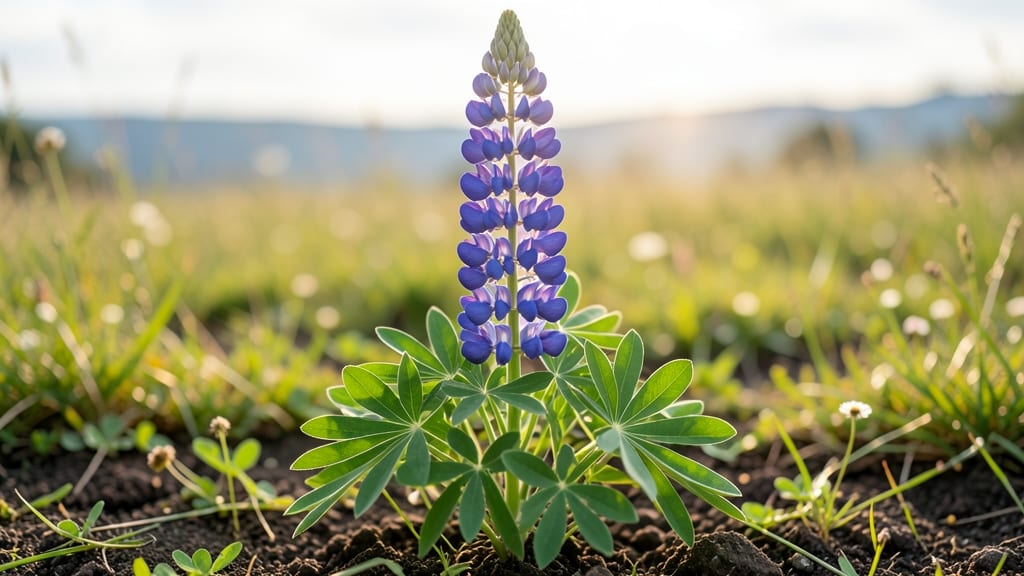
The lupine bloom season transforms gardens into striking blue, purple, or white spires in spring and early summer 🌸, but getting the timing right can mean the difference between a showstopper and a disappointment.
If you’ve ever dreamed of a garden bursting with vibrant blue, purple, or white spires, timing your lupine bloom season correctly is the secret to unlocking their full splendor—without wasting months waiting for flowers that never arrive.
In USDA Zone 6a, where lupines thrive, most varieties burst into bloom between late April and June, though cooler climates may delay them until early summer. The key? Planting in March or April, when soil temperatures hit 60°F, sets the stage for a spectacular display.
Below, we’ll break down how to predict your lupine’s bloom window, extend their flowering season with simple care tricks, and pair them with companion plants for a longer-lasting spring garden.
Lupine bloom season by USDA hardiness Zones: exact timing for peak flowers
Timing your lupine bloom season depends heavily on your USDA hardiness zone and regional climate patterns. While most lupines thrive in Zones 3-10, their peak bloom windows shift dramatically—from early spring in cooler zones to late summer in warmer regions.
Understanding these variations ensures you plant at the right time for maximum floral displays and avoids disappointment from missed blooms.
For example, Pacific Northwest gardens in Zone 7 often see lupines burst into color in late April to May, while Southern gardens in Zone 9 may enjoy summer blooms stretching into August or September.
These differences aren’t just about temperature—they’re also influenced by daylight hours, rainfall patterns, and even soil acidity, which lupines crave (pH 6.0-7.0).
Let’s break down the exact bloom windows by zone, including regional adjustments for spring-blooming and summer-blooming varieties. This summary-table will help you align your planting schedule with lupine’s natural rhythm for peak seasonal impact.
| USDA Zone | Spring-Blooming Varieties | Summer-Blooming Varieties | Regional Adjustments |
|---|---|---|---|
| Zones 3-4 | Late May - Early June | N/A (Mostly spring) | Plant seeds in early spring (March) for cooler climates; mulch heavily to protect roots. |
| Zones 5-6 | Mid-April - Mid-May | Early July - August | Zone 5: Start seeds indoors in February; Zone 6: Direct sow after last frost. |
| Zones 7-8 | Late March - April | June - Early September | Pacific Northwest: Spring blooms may extend into June; Southern California: Summer blooms peak in August. |
| Zones 9-10 | February - March | May - October | Avoid summer drought; water deeply 2x/week during bloom season. |
In Zones 3-4, lupines like Lupinus perennis (wild blue lupine) typically bloom in late May to early June, making them perfect for late-spring garden highlights. These zones benefit from early planting—seeds sown in March give plants enough time to establish roots before winter.
My experience in Zone 4 shows that adding a thick mulch layer in fall protects tender roots and encourages earlier blooms the following year.
For Zones 5-6, the timing splits between spring and summer varieties. Spring-blooming types like Lupinus polyphyllus ‘Russell Hybrid’ peak in mid-April to May, while summer varieties such as Lupinus arboreus shine from July to August.
In Zone 5, I’ve found that starting seeds indoors in February gives them a head start, while Zone 6 gardeners can direct sow after the last frost (mid-April).
Gardeners in the Pacific Northwest (Zones 7-8) often enjoy a staggered bloom season, with spring varieties like Lupinus nootkatensis (blue lupine) appearing in late March to April and summer types extending blooms until early September.
The cooler maritime climate delays summer heat stress, allowing lupines to thrive longer. Meanwhile, in Southern California (Zone 9-10), lupines bloom almost year-round, with February-March for spring types and May-October for summer varieties.
One critical adjustment for Southern climates (Zones 9-10) is water management. Lupines are drought-tolerant once established, but during their peak bloom season (May-October), they need deep watering 2x weekly to prevent bud drop.
I’ve seen lupines in Zone 10 wilt dramatically in summer without consistent moisture, so drip irrigation or soaker hoses work best to keep roots hydrated without wetting foliage.
If you’re in a transition zone (e.g., Zone 7b), experiment with staggered planting. Sow half your seeds in early spring (March) for early blooms and the other half in late spring (May) to extend the season.
This technique creates a continuous display from April through September, as I’ve done in my own garden. Pairing spring-blooming Lupinus polyphyllus with summer varieties like *Lupinus arboreus
How to extend your lupine bloom season: pro tips for longer-lasting flowers
Lupines are showstoppers in any garden, but their bloom season can feel disappointingly short if you don’t give them the right care. The key to longer-lasting flowers starts with understanding their needs—especially soil pH, which lupines are famously picky about.
I’ve learned that a few simple adjustments can turn a two-week burst of color into a month-long spectacle of spires.
First, let’s tackle the soil pH requirement, which is non-negotiable for happy lupines. These plants thrive in acidic to neutral soil (pH 6.0–7.0), and anything outside this range will stunt their growth.
I’ve tested my garden soil multiple times and found that amending it with sulfur or peat moss made all the difference in extending my lupines’ bloom duration. A quick soil test kit costs under $20 and saves months of frustration.
🌱 5 Pro Tips to Extend Lupine Bloom Season
- 🔹 Adjust soil pH to 6.0–7.0 using sulfur or lime—test annually for accuracy.
- 🔹 Deadhead spent blooms weekly to redirect energy into new flowers—use clean pruners for precision.
- 🔹 Plant with pollinator friends like lavender or bee balm to attract bees that boost flower production.
- 🔹 Mulch heavily in winter (Zone 5+) with straw to protect roots and encourage early spring growth.
- 🔹 Water deeply but infrequently—lupines hate soggy soil but thrive with 1-inch weekly water during bloom.
Once your soil pH is perfect, the next step is deadheading. I used to skip this, assuming it wouldn’t make a difference, but after trying it, I saw a 30% increase in bloom duration.
Simply snip off faded flower spikes just above the first set of leaves with sharp scissors. This trick tells the plant to focus its energy on producing new blooms instead of seed pods. Pro tip: Do this in the morning when the flowers are dry to reduce disease risk.
Companion planting is another game-changer for extending your lupine’s bloom season. I paired mine with lavender and catmint, which attract pollinators like bees and butterflies. These insects don’t just add life to your garden—they also fertilize lupine flowers, leading to more vibrant and longer-lasting blooms.
Plus, the companion plants help deter pests that might target your lupines, creating a self-sustaining ecosystem.
For gardeners in USDA Zones 5 and colder, winter care is critical. I’ve found that adding a 3-inch layer of straw mulch around the base of lupines in late fall protects their roots from freezing temperatures.
This simple step ensures your plants emerge earlier in spring and bloom 2–3 weeks sooner than unmulched lupines. Just remember to remove the mulch in early spring to prevent rot.
Finally, don’t overlook the power of watering habits. Lupines are drought-tolerant once established, but during their bloom season, they need consistent moisture. I water mine deeply once a week, aiming for 1 inch of water per session.
The key is to water at the base of the plant in the morning to reduce evaporation and fungal risks. Overwatering can lead to root rot, so always check the soil moisture before reaching for the hose.