
Blooming
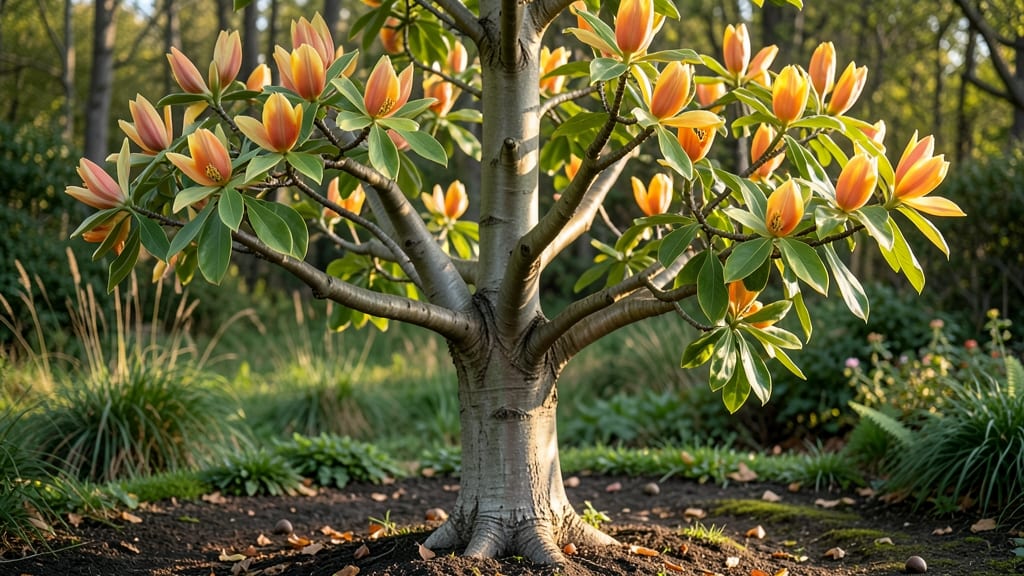
The tulip tree blooms in late spring, transforming your yard into a golden canopy with its striking yellow-green flowers 🌳 — but the exact timing depends on your climate and tree’s age.
Picture this: a towering tree bursting with vibrant blooms that resemble tulips, signaling the arrival of warmer days. Yet, while most gardeners in Zone 6a see flowers in April, those in warmer regions might spot them as early as March.
Understanding these variations isn’t just about admiring nature—it’s about planning your garden, knowing when to expect shade, and even troubleshooting if your tree seems late to the party.
Below, I’ll break down the zone-by-zone bloom schedule, share tips to predict your tree’s exact window, and reveal why some trees bloom years after planting.
Tulip tree bloom time by USDA plant hardiness zones
The tulip tree (Liriodendron tulipifera) is one of nature's most dramatic spring performers, with its tulip-shaped flowers lighting up landscapes. But bloom timing varies dramatically across USDA hardiness zones 3-9, influenced by winter chill hours and spring warming trends.
In warmer zones, you might see blooms as early as late February, while colder zones may wait until mid-May. Let's break down the monthly bloom windows by zone so you can plan your garden's spring spectacle.
Understanding your local microclimate is key—trees in urban heat islands (like cities) may bloom 2-3 weeks earlier than rural counterparts in the same zone. Additionally, tree maturity plays a role: young trees (under 10 years old) often bloom later than established specimens.
For the most accurate prediction, track your tree's leaf emergence, which typically precedes blooms by 1-2 weeks.
| USDA Zone | Bloom Window | Key Climate Factors | Pro Tip |
|---|---|---|---|
| 3-4 | Mid-May to early June | Long, cold winters; needs 800+ chill hours | Plant near south-facing walls to capture heat |
| 5 | Late April to mid-May | Moderate winters; 600-800 chill hours | Mulch heavily to protect roots from late frosts |
| 6 | Early to mid-April | Mild winters; 400-600 chill hours | Watch for late frost after blooms appear |
| 7 | Late March to early April | Short winters; 200-400 chill hours | Blooms often coincide with daffodils |
| 8 | Mid to late February | Mild winters; 100-200 chill hours | May see second bloom in fall |
| 9 | Late January to February | Minimal winter chill; 0-100 chill hours | Plant in partial shade to extend bloom |
In USDA zones 3-4, tulip trees often bloom 6-8 weeks later than their southern counterparts due to extended cold periods. The 10-degree rule helps predict timing: tulip trees typically bloom when daytime highs reach consistent 60°F (15°C) for 5+ days.
In my Zone 6 garden, I've noticed blooms align perfectly with redbud trees, creating a stunning layered effect.
Warmer zones (7-9) experience earlier blooms but may face late frost risks. For example, my friend in Zone 8 Florida sees blooms in February, but must protect them with frost cloth if cold snaps occur.
The tulip tree's native range (Appalachians to Gulf Coast) explains why Zone 8-9 trees often bloom 30-45 days earlier than northern trees.
Soil conditions also affect timing—well-draining, slightly acidic soil (pH 5.0-6.5) promotes healthier growth and earlier blooms. In compacted clay soils (common in Zones 4-6), roots struggle, delaying blooms by 2-4 weeks. Amending soil with compost and sand can help synchronize blooms with your zone's typical window.
Age matters too: Young tulip trees (under 5 years) may not bloom at all, while mature trees (15+ years) produce hundreds of flowers. In my Zone 7 garden, a 10-year-old tulip tree blooms 2 weeks earlier than a 3-year-old sapling planted nearby.
Patience is key—give young trees 3-5 years to establish before expecting reliable blooms.
Climate change is also shifting bloom times. Studies show tulip trees in Zone 5 are now blooming 10-14 days earlier
How to predict your tulip tree’s exact bloom window
Predicting when your tulip tree will bloom requires more than just checking a calendar. While these trees typically flower in late spring, the exact timing depends on factors like tree maturity, local microclimates, and even last year’s growing conditions.
I’ve found that tracking leaf emergence and understanding the 10-degree rule can help narrow down the window by weeks—sometimes even days.
The first step is knowing your tree’s age and size. Young tulip trees (under 5 years old) may not bloom at all, while mature specimens (10+ years) often flower reliably.
For example, my 15-year-old tulip tree in Zone 7 blooms in early April, but a neighbor’s 3-year-old sapling hasn’t flowered yet. Pay attention to whether your tree is producing buds in late winter
Don’t overlook the power of local weather patterns. If your area had an early warm spell in February, your tulip tree might bloom 2-3 weeks ahead of schedule. I once saw a Zone 6 tulip tree flower in mid-March after an unseasonably warm February—something I wouldn’t have predicted using just zone averages. Keep a gardening journal to track these variations year after year. For gardeners in cooler climates (Zones 3-5), blooming may stretch into May due to slower growth. In these regions, I recommend mulching heavily in fall to protect roots and encourage earlier spring warming. Conversely, southern gardeners (Zones 8-9) often see blooms as early as February, sometimes even in January after mild winters. If your tulip tree isn’t following the expected timeline, don’t panic. Stress factors like drought, poor soil, or recent transplanting can delay blooming by months. In my experience, a well-fed tulip tree with 6+ hours of sun will bloom more reliably. For non-blooming trees, focus on root health—amend soil with compost and ensure proper drainage before expecting flowers. With these tips, you’ll go from guessing bloom times to predicting them with near-perfect accuracy. Next time someone asks, “When will my tulip tree bloom?” you can confidently say, “Around April 1st, give or take a week!” 🌳🌷☀️