
Blooming
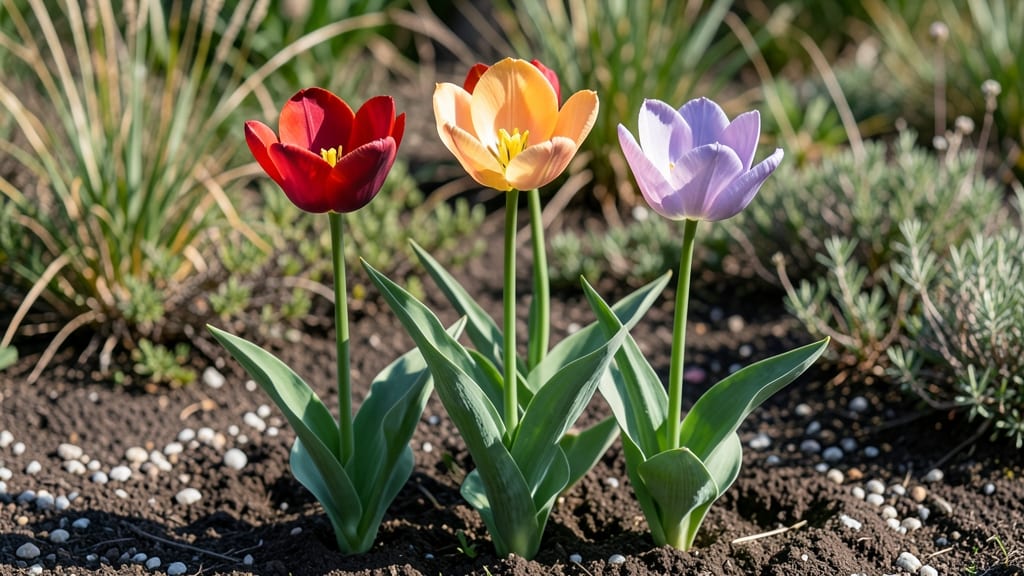
Tulips bloom at the perfect time when they get 6-8 weeks of cold and 12-16 hours of daylight—a balance that explains why your 🌷 may burst into color weeks earlier (or disappointingly late) each year.
Picture this: You’ve planted your bulbs in Zone 6a like the guide says, but your neighbors’ tulips are already popping up in early April while yours stay stubbornly underground. That’s not bad luck—it’s a mismatch between chill hours and light exposure.
Here’s the good news: You can tweak those factors to extend your tulip season by weeks, whether you’re aiming for a March burst of color or a late-May showstopper.
The key lies in understanding how to time your planting, adjust soil temperatures, and even use light tricks to fool your bulbs into blooming exactly when you want.
Below, I’ll break down the science behind tulip bloom windows, share 5 foolproof strategies to stretch your season, and help you pick the right varieties for your climate—so you can finally get those 🌷 to perform on your schedule.
How light exposure and chill hours control tulip bloom time
Tulips are nature's perfect example of how light exposure and chill hours work together to create those vibrant spring displays. These two factors determine when your tulips will bloom, and understanding them is key to getting flowers when you want them.
Without enough cold exposure, tulips may never bloom at all—even if they're planted in perfect sunlight!
The scientific terms for these processes are vernalization (cold exposure) and photoperiodism (light exposure). Together, they act like a biological clock for tulips, triggering blooms at just the right time.
In this section, we'll break down how these factors work and how you can use them to control your tulip bloom time naturally.
| Factor | Requirement | Effect on Bloom Time | USDA Zone Impact |
|---|---|---|---|
| Chill Hours | 6-16 weeks below 40°F (4°C) | Triggers flowering mechanism | Zones 3-7: Natural cold supply Zones 8-10: Needs artificial chilling |
| Daylight Hours | 12-16 hours of light | Promotes bud development | Northern zones: Longer days Southern zones: Shorter days |
| Vernalization | Cold stratification period | Resets biological clock | Warmer zones: Requires pre-chilling |
| Photoperiodism | Increasing daylight | Signals bloom initiation | Equatorial regions: Minimal effect |
| USDA Zone | 3-10 (varies by variety) | Determines natural bloom window | Zone 3: Early March Zone 7: Late April Zone 10: February |
Chill hours are the most critical factor for tulip blooming. These are the cumulative hours your tulip bulbs spend below 40°F (4°C) during winter. Most tulip varieties need between 6-16 weeks of this cold exposure to trigger their flowering mechanism. Without sufficient chill hours, tulips may produce leaves but never bloom, leaving you with a disappointing "green show" instead of flowers.
For gardeners in warmer climates (USDA Zones 8-10), this means you'll need to pre-chill your bulbs artificially. Store them in a refrigerator for 10-12 weeks before planting to satisfy their chill hour requirement. This trick works wonders for forcing early blooms in regions where natural winter cold is insufficient.
Daylight exposure plays a secondary but equally important role. Tulips are long-day plants, meaning they respond to increasing daylight hours. Once they've satisfied their chill hour requirement, tulips need 12-16 hours of daylight to begin bud development. This is why tulips planted in northern latitudes often bloom earlier than those in southern regions—longer daylight periods in spring trigger faster development.
In USDA Zones 3-5, tulips naturally receive both sufficient chill hours and adequate daylight, resulting in reliable spring blooms. However, in Zone 6 and warmer, you may need to adjust planting times or use shade cloth to manipulate daylight exposure.
For example, planting tulips in partial shade can delay blooming by a few weeks, while full sun exposure speeds up the process.
To determine the best planting time for your region, consult the USDA Plant Hardiness Zone Map and match it with your tulip variety's specific requirements. Most tulips thrive in Zones 3-8, but some varieties like Tulipa greigii (Greigii tulip) can handle Zone 4-9 conditions.
Always check the specific variety's chill hour requirements—some early bloomers need fewer chill hours than late-season varieties.
Here's a pro tip: If you want sequential blooming throughout spring, plant different tulip varieties with varying chill hour requirements. For example, Darwin Hybrid tulips typically need 12-16 weeks of chill, while species tulips like Tulipa tarda may only require 6-8 weeks.
This staggered approach creates a stunning, extended bloom season from early spring to late spring.
Remember that soil temperature also plays a subtle role. Tulips prefer to sprout when soil temperatures reach 50°F (10°C). If your ground stays too cold in spring, blooms may be delayed.
In Zone 7 and warmer, consider using black plastic mulch to warm the soil and encourage earlier sprouting.
By mastering these two factors—chill hours and daylight exposure—you'll gain complete control over your tulip bloom time. Whether you're forcing early blooms for Valentine's Day or extending your spring display into summer, understanding these natural triggers puts the power of timing in your hands. 🌷
5 Proven strategies to extend tulip bloom time naturally
If you've ever watched your tulips bloom all at once and then disappear within a week, you're not alone. The key to longer tulip bloom time lies in understanding how to manipulate their natural growth cycles.
By using simple, chemical-free techniques, you can stretch those vibrant blooms across weeks instead of days. The secret? Controlling light exposure and soil conditions to match your desired bloom schedule.
Tulips are photoperiod-sensitive, meaning their blooming triggers depend on daylight length and temperature. When planted correctly, you can delay or extend blooming by weeks. For example, planting bulbs in late fall instead of early fall can push blooms into late spring.
Similarly, using light deprivation tricks can force tulips to bloom earlier or later than their natural timing.
-
1. Strategic Planting Dates
Plant bulbs in three-week intervals (e.g., October, November, December) for staggered blooms. Late fall plantings bloom later, while early fall plantings appear sooner. -
2. Soil Temperature Control
Use mulch (straw or leaves) to insulate soil. Warmer soil speeds up growth, while cooler soil delays blooming. Aim for 40-50°F soil temps for optimal timing. -
3. Light Deprivation Trick
Store bulbs in a cool, dark place (35-40°F) for 10-12 weeks before planting. This mimics winter chill and synchronizes blooming for a longer display. -
4. Companion Planting
Pair tulips with low-growing perennials (e.g., heuchera or ajuga) to hide fading foliage and extend visual appeal. This creates a continuous bloom effect. -
5. Fertilizer Timing
Apply a low-nitrogen fertilizer (5-10-10) in early spring as buds form. Avoid high nitrogen, which promotes leaves over blooms and shortens bloom time.
Another effective method is light deprivation, which works by tricking tulips into thinking winter hasn't ended. Store bulbs in a dark, cool basement or refrigerator for 10-12 weeks before planting. This mimics the chill hours tulips need to bloom, ensuring they all emerge at once for a dramatic display.
For example, if you want tulips to bloom in late May, store bulbs until mid-March before planting.
Don't overlook the power of companion planting to extend the visual impact of your tulips. Pair them with slow-growing perennials like hostas or ferns, which won't compete for nutrients and will mask the yellowing foliage that appears after blooming.
This creates a seamless transition from tulip blooms to summer flowers, making your garden look vibrant for months.
Finally, pay attention to fertilizer timing. Tulips need nutrients, but too much nitrogen can lead to lush foliage at the expense of blooms. Use a balanced, low-nitrogen fertilizer (5-10-10) in early spring as buds form.
Avoid fertilizing in late summer or fall, as this can encourage new growth that won't survive winter.
With these strategies, you can transform a single week of tulip blooms into a month-long spectacle. Experiment with planting dates, soil conditions, and companion plants to find the perfect combination for your climate. Your garden will thank you with longer-lasting color and fewer gaps between blooms! 🌷