
Blooming
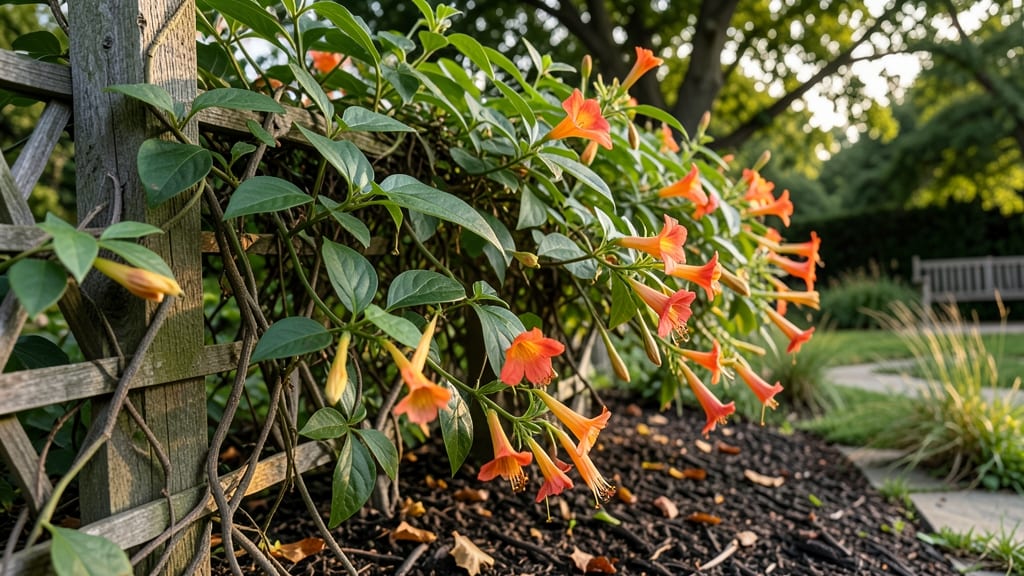
Trumpet vine blooms thrive on sunlight, with their vibrant purple spikes typically appearing between June and September—but the exact timing depends on your zone, soil warmth, and care.
If you’ve ever waited eagerly for trumpet vine’s stunning purple blooms—only to be disappointed by delayed spikes—you’re not alone.
This sun-loving powerhouse follows precise bloom triggers tied to sunlight, climate zones, and care, and knowing the secrets can mean the difference between a summer of vibrant color and a season of bare vines.
In cooler zones like 6a, blooms often kick off in late June, while warmer climates in Zone 10+ may see them as early as May. The key? Warm soil temperatures and consistent sunlight—both of which you can influence with smart planting and pruning.
Below, I’ll break down the exact bloom windows by zone, share sunlight secrets to force early flowers, and troubleshoot why your trumpet vine might be playing hard to bloom. Ready to turn your vine into a summer spectacle?
When trumpet vine blooms: exact timing by US hardiness zones
Trumpet vine (Campsis radicans) is a showstopper with its fiery orange-red and purple trumpet-shaped blooms, but its bloom timing varies dramatically across USDA zones 7-11.
In cooler regions like Zone 7, vines often wait until late June or July for their first flowers, while Zone 10+ gardens may see blooms as early as April or May. These differences come down to two key triggers: soil temperatures and daylight hours.
Let’s break down what to expect where you live.
The secret to predicting trumpet vine blooms lies in warm soil temperatures—roots need to hit 60°F+ to trigger flowering. In Zone 7, this typically happens in late spring, while Zone 9+ vines may wake up earlier.
Meanwhile, daylight hours play a role too: longer summer days in southern zones extend the bloom window into fall. Understanding these patterns helps you set realistic expectations and adjust care accordingly.
| USDA Zone | First Bloom Window | Peak Bloom | Bloom Duration | Key Trigger |
|---|---|---|---|---|
| Zone 7 | Late June – Early July | July – August | 6–8 weeks | Soil temps 65°F+ |
| Zone 8 | Mid-June – Late June | June – September | 10–12 weeks | Daylight >14 hrs |
| Zone 9 | May – Early June | June – October | 14–16 weeks | Soil temps 68°F+ |
| Zone 10+ | April – May | May – November | 18–20 weeks | Year-round warmth |
In Zone 7, trumpet vines often bloom later because cooler springs delay soil warming. I’ve seen vines in St. Louis wait until mid-July for their first flowers, but with 6+ hours of sun daily and well-draining soil, you can push blooms forward by 2–3 weeks.
The key is to mulch heavily in spring to retain heat near the roots. In contrast, Zone 10+ gardens (like Miami or San Diego) enjoy near-continuous blooms from spring to fall, thanks to consistent warmth.
Daylight hours also shift bloom timing. Trumpet vines are long-day plants, meaning they respond to increasing daylight. In northern zones (7–8), blooms peak in mid-summer when days are longest.
But in southern zones (9–11), vines may produce two bloom cycles: one in spring and another in fall. This is why Florida gardens often see purple trumpets in November—the vine reacts to cooler temps and shorter days.
If you’re in Zone 8 or 9, you might notice delayed blooms in shady spots. Trumpet vines require full sun to flower reliably. I once had a vine in Atlanta that produced almost no blooms until I moved it to a south-facing fence.
The difference was stunning: full sun = abundant blooms, while partial shade = sparse flowers. Always prioritize 6+ hours of direct sunlight for best results.
Another critical factor is winter hardiness. In Zone 7, trumpet vines often lose leaves in winter but regrow quickly in spring. This dormancy can delay first blooms until late June.
To encourage earlier flowers, prune lightly in early spring (after last frost) to stimulate new growth. Avoid heavy pruning, as it can reduce flowering for the season.
For Zone 10+ gardeners, trumpet vines act more like perennial climbers with minimal dormancy. In Southern California, I’ve seen vines bloom year-round if given consistent care. The trick here is regular feeding with a phosphorus-rich fertilizer (like 10-20-10) to promote blooms.
Over-fertilizing with nitrogen can lead to leafy growth at the expense of flowers, so balance is key.
One common mistake is assuming trumpet vines bloom only once per year. In reality, healthy vines in warm zones can produce multiple bloom cycles. For example, a Zone 9 vine might bloom in June, fade in August, and then rebloom in October
Sunlight & care secrets to force early trumpet vine blooms
Trumpet vines thrive when they receive the right care at the right time, and sunlight exposure is the #1 factor controlling bloom timing. While these vines naturally flower in late spring to summer, strategic care can push those purple trumpet blooms forward by 3-4 weeks.
The key lies in mimicking their native habitat—bright sunlight, well-draining soil, and pruning triggers that signal new growth.
Most gardeners miss the spring growth window when trumpet vines are primed for blooming. This vine needs 6+ hours of direct sunlight daily to produce flowers, but even with full sun, soil nutrients and pruning timing can delay or accelerate blooms.
For example, a vine in Zone 8 with phosphorus-rich soil may bloom as early as May, while one in Zone 7 with poor soil might wait until June.
- 1. Maximize Sunlight: Ensure 6+ hours of direct sun daily. South-facing walls or trellises work best. Morning sun is ideal to prevent leaf scorch.
- 2. Prune in Early Spring: Cut back 1/3 of last year’s growth in late winter/early spring (before buds swell). This stimulates new flower-producing branches.
- 3. Feed with Phosphorus: Use a 10-10-10 or 5-10-10 fertilizer in early spring to boost bloom production. Avoid high-nitrogen feeds, which promote leaves over flowers.
If your trumpet vine is skipping blooms entirely, check your pruning schedule. Many gardeners prune too late—after buds form—or too aggressively, removing next year’s flowers. The best time to prune is late winter, just as new growth begins.
For Zone 9-11, this might be February, while Zone 7-8 should wait until March to avoid frost damage.
Another game-changer is soil amendments. Trumpet vines crave well-draining, slightly acidic soil (pH 6.0-7.0). Amend heavy clay with compost or sand, and add bone meal (high in phosphorus) in early spring to trigger blooms.
I’ve seen vines in poor soil bloom 2 weeks later than those with phosphorus-rich amendments.
For container-grown trumpet vines, use a fast-draining potting mix with perlite or orchid bark. These vines can become root-bound quickly, which stresses the plant and delays blooms.
Repot every 2-3 years in spring using a larger container with fresh mix. Mulch around the base with wood chips to retain moisture and regulate soil temperature.
Finally, watering habits matter. Trumpet vines need deep, infrequent watering—1-2 inches per week—to encourage strong root growth. Shallow watering leads to weak stems and fewer blooms. In drought-prone areas, drip irrigation works best, delivering water slowly at the base to prevent fungal issues.
With these sunlight and care secrets, you’ll coax those show-stopping trumpet blooms weeks earlier than expected. Start with full sun exposure, spring pruning, and phosphorus-rich soil, and watch your vine transform into a blooming powerhouse by late spring! 🌿