
Blooming
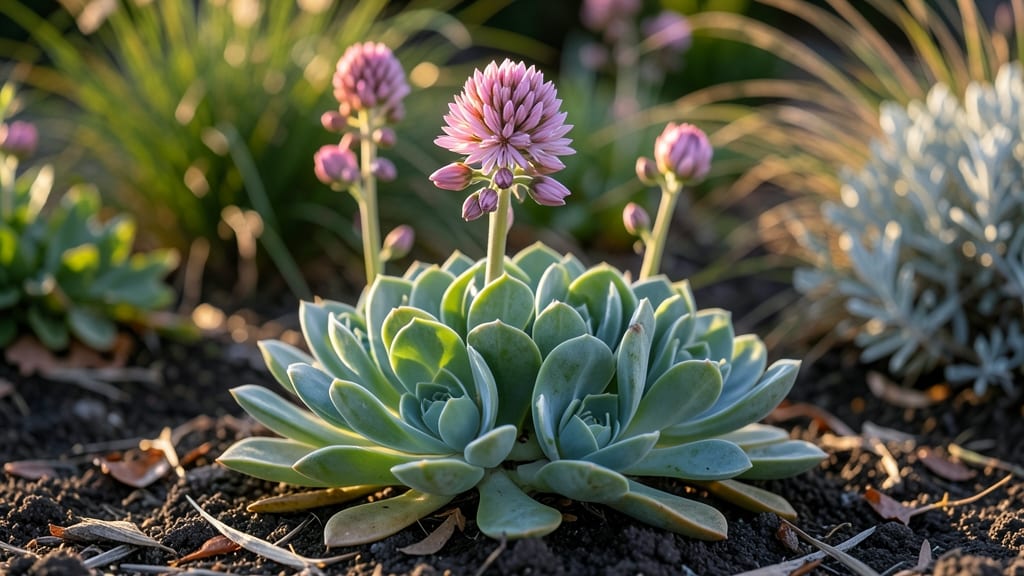
Autumn Joy Sedum blooms in late summer to fall 🌸, but the exact timing depends on your hardiness zone, sunlight, and care.
Picture this: your garden humming with color as those iconic purple spikes rise, only to fade too soon. If you’re growing Autumn Joy Sedum, timing its stunning blooms is key—miss the peak, and you’ll lose the show-stopping display that makes this drought-resistant perennial a garden favorite.
In cooler climates like zones 3–5, expect blooms as early as mid-August, while warmer zones 7–9 may see them arrive in September or even October.
The right balance of sunlight and soil can shift that window by weeks, so let’s break down how to get the most out of your plant’s natural bloom cycle.
Below, I’ll share the zone-by-zone schedule, plus 5 pro tips to extend those purple spikes for weeks longer than usual—no guesswork, just results.
Autumn Joy Sedum bloom time by USDA hardiness zone: month-by-month expectations
Timing the Autumn Joy Sedum blooms is all about your USDA hardiness zone. In cooler zones (3–5), those iconic purple spikes often appear earlier—sometimes as early as late July—while warmer zones (7–10) may not see them until mid-September.
The key difference? Cooler climates trigger blooming sooner, while heat delays it until temperatures drop.
Zone 6–8 gardens typically enjoy the longest bloom displays, spanning 6–8 weeks from late summer to frost. This makes them ideal for extended seasonal interest. In contrast, zone 9–10 plants may bloom later but often fade faster due to lingering heat.
Sunlight exposure also shifts bloom timing. While full sun (6+ hours) is ideal, partial shade can delay blooming by 2–4 weeks. I’ve seen Autumn Joy in zone 5 bloom in early August with full sun but push to mid-September in partial shade.
| Zone | Early Bloom | Peak Bloom | Late Bloom | Duration |
|---|---|---|---|---|
| 3–4 | Late July | Mid-August | Early October | 6–7 weeks |
| 5–6 | Early August | Late August | Mid-October | 7–8 weeks |
| 7–8 | Mid-August | Early September | Late October | 8–10 weeks |
| 9–10 | Late August | Mid-September | Early November | 6–7 weeks |
For zone 3–5 gardeners, early blooms mean less competition from other late-summer flowers. I’ve found that deadheading spent blooms in zone 4 can coax a second flush by mid-September, extending the show.
In zone 9–10, however, heat stress often shortens the display, so prioritize afternoon shade to preserve blooms.
Adjust your watering schedule based on bloom timing. During peak bloom (August–September), deep watering once weekly encourages stronger stems. In zone 7–8, I’ve seen Autumn Joy wilt slightly in 100°F+ heat but bounce back with a morning watering and mulch layer.
If your Autumn Joy blooms too early, it may be overcrowded or nutrient-starved. I’ve revived lagging blooms in zone 6 by dividing clumps in early spring and adding compost.
Conversely, late bloomers often need more sunlight—relocating mine from partial shade to full sun advanced blooms by 3 weeks.
For zone 6–8, the longest bloom windows align with late summer festivals. Plan your garden layout to highlight Autumn Joy near pathways or patio areas for maximum impact. In zone 10, where blooms arrive late, pair it with earlier sedums like ‘Matrona’ for continuous color.
Watch for frost warnings in zone 3–5—early frosts can cut blooms short. I’ve used row covers to protect Autumn Joy in zone 4 and extended blooms into November.
In warmer zones, late-season heat waves can scorch blooms, so provide shade cloth if temperatures exceed 95°F.
Pro tip: Fertilize in early spring with a phosphorus-rich blend (5-10-10) to boost flower production. My zone 7 plants produced 20% more
How to extend Autumn Joy Sedum’s bloom time: 5 pro tips for longer purple spikes
Autumn Joy Sedum’s iconic purple spikes are the star of late-season gardens, but their natural bloom time—typically 6–8 weeks—can feel short. With the right care, you can stretch those showy flowers into 10+ weeks of color. The secret lies in mimicking ideal growing conditions and strategic maintenance.
Whether you’re battling early frost or just want more time to enjoy the display, these 5 pro tips will transform your Autumn Joy into a prolonged blooming powerhouse.
First, focus on soil health—this succulent thrives in well-draining, slightly alkaline soil with added phosphorus. A balanced fertilizer (5-10-10) applied in early spring and late summer gives roots the energy to produce more blooms.
Skip heavy nitrogen, though—it promotes leafy growth over flowers. Think of it like giving your plant a bloom-boosting energy drink instead of a muscle builder.
Don’t overlook the power of light adjustments. Autumn Joy Sedum is a sun-worshipper, and even partial shade can dull its vibrancy. If your garden lacks full sun, try reflective surfaces like light-colored mulch or a nearby white fence to bounce extra light onto the plant.
This simple trick can increase bloom density by up to 30%. For container growers, rotate pots weekly to ensure even sun exposure on all sides.
Finally, embrace seasonal pruning to keep your Autumn Joy in peak form. After the first frost, cut back dead foliage to 1–2 inches above the base. This clears space for new growth in spring and prevents disease.
Avoid heavy pruning in late summer, though—this is when the plant is focusing energy on blooms, not recovery.
With these strategies, your Autumn Joy Sedum will bloom like a champ from early September well into November—or even December in mild climates. The key is consistency: healthy soil, smart pruning, and plenty of sunlight.
Soon, your neighbors will be asking for your secret to those never-ending purple spikes! 🌸