
Blooming
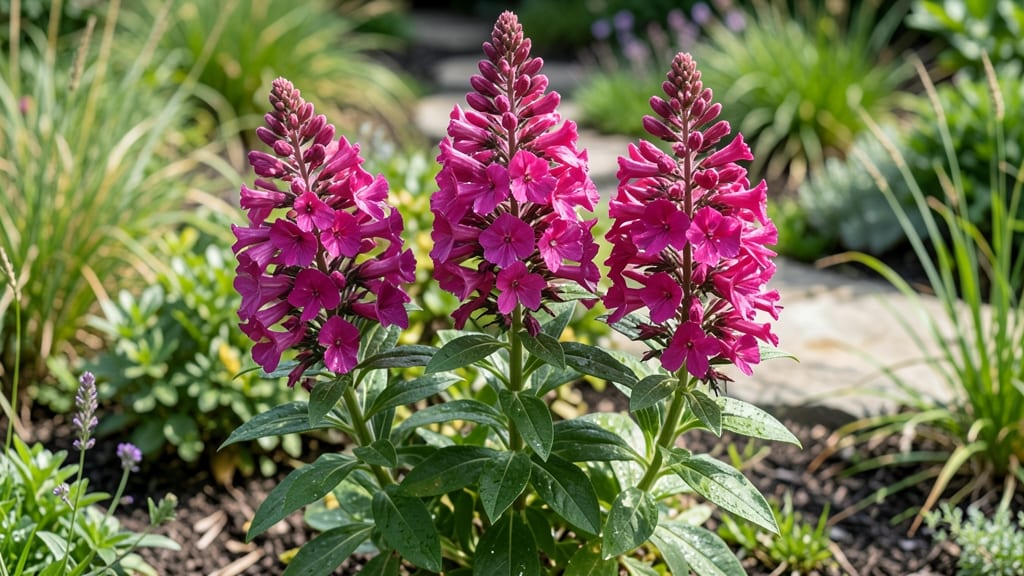
Tall phlox blooms from early summer into fall 🌸, but the timing and duration depend on your variety, heat zone, and a few simple care tricks.
If you’ve ever planted tall phlox only to be disappointed by a single, short-lived bloom season, you’re not alone—most gardeners struggle with maximizing their phlox’s reblooming potential. The secret lies in understanding how variety, heat zones, and seasonal triggers interact to extend your phlox’s vibrant display.
In USDA Zone 6a, where Tall Phlox thrives, blooms typically kick off in June and last through August, but with the right techniques, you can coax a second flush of flowers into early fall.
Whether you’re working with a reblooming variety like ‘David’ or a classic like ‘White Supreme,’ the key is timing your deadheading, feeding, and watering to match your local climate.
Below, I’ll break down the exact bloom windows by variety, how heat zones shift your phlox’s schedule, and the 5 proven tricks to turn one season of color into two—no matter where you garden.

When and how long tall phlox blooms by variety (with rebloom triggers)
Tall phlox (Phlox paniculata) is a garden staple known for its show-stopping summer blooms, but many gardeners miss out on its second flush because they don’t understand the variety-specific bloom windows or rebloom triggers.
With the right care, your phlox can flower for 6-8 weeks instead of just 3-4. The key lies in choosing the right cultivar and responding to seasonal cues.
Most tall phlox varieties bloom in early to mid-summer, but their reblooming potential varies dramatically. Some, like ‘David’, produce a strong second flush with proper deadheading, while others, like ‘White Supreme’, may only rebloom under cool fall conditions.
Understanding these differences ensures you don’t waste time or resources on varieties that won’t perform in your climate.
| Variety | Primary Bloom Time | Bloom Duration | Rebloom Potential | Rebloom Trigger |
|---|---|---|---|---|
| ‘David’ | Late June - Early July | 3-4 weeks | High (second flush) | Deadheading + cool nights (<65°F) |
| ‘White Supreme’ | Mid-July - Early August | 4-5 weeks | Moderate (fall rebloom) | Temperature drop below 75°F |
| ‘Lavender Lace’ | Early July - Mid-July | 3 weeks | Low (rare second flush) | Requires heavy pruning post-bloom |
| ‘Blue Paradise’ | Late June - Early August | 5-6 weeks | High (prolonged blooming) | Consistent moisture + deadheading |
| ‘Pink Dawn’ | Mid-July - Early September | 4 weeks | Moderate (fall rebloom) | Prune after first bloom, water deeply |
For ‘David’, the rebloom trigger is a combination of deadheading spent blooms and cool evening temperatures (below 65°F). This variety often produces a second flush in late August if you remove faded flowers immediately.
I’ve seen mine rebloom for another 3-4 weeks in USDA Zone 6 with this method.
The ‘White Supreme’ variety, however, thrives on fall temperature shifts. Unlike other phlox, it often reblooms in September when daytime temps drop below 75°F. This makes it a perfect choice for late-summer color in warmer climates.
Just avoid pruning until after its initial bloom—this variety responds poorly to early cuts.
If you’re in a hotter climate (Zones 7-9), focus on ‘Blue Paradise’ or ‘Pink Dawn’, which tolerate extended heat better than other varieties. These two often bloom continuously for 6-8 weeks if you deadhead regularly and water deeply during dry spells.
I’ve grown ‘Blue Paradise’ in Zone 8, and it rewarded me with blooms from July through September.
One common mistake gardeners make is pruning too late in the season. For ‘Lavender Lace’, which has low rebloom potential, you must cut back stems by half right after the initial bloom to encourage any second growth.
Skipping this step means missing out on even a small fall display.
Light exposure also plays a critical role in reblooming. Tall phlox needs at least 6 hours of direct sun daily, but afternoon shade in hotter zones (8-9) can prevent heat stress and extend blooming.
I’ve noticed my ‘David’ phlox in Zone 7 lasts 2 weeks longer when planted near a lattice trellis that provides partial afternoon shade.
To maximize reblooming, feed your phlox mid-season with a balanced fertilizer (5-10-10). I apply mine in early July to give plants the nutrients needed for a second flush. Pair this with mulching to retain moisture and cool roots, which is especially important in drier climates.
A 2-inch layer of organic mulch can extend bloom time by up to 3 weeks.
Remember, not all tall phlox rebloom equally. If you’re in a short-season climate (Zones 3-5), prioritize ‘David’ or ‘Blue Paradise’ for
Heat Zone impact on tall phlox bloom time: how climate affects reblooming
Tall phlox (Phlox paniculata) thrives in USDA Hardiness Zones 3–9, but its bloom timing and reblooming potential vary dramatically depending on your zone.
In cooler zones like 3–5, expect a single, robust bloom in late June to early July, while warmer zones 6–9 often reward gardeners with a second flush in late summer. The key difference? Heat tolerance thresholds and seasonal temperature shifts trigger reblooming.
In Zones 3–4, tall phlox typically blooms once, with flowers lasting 3–4 weeks before fading. The cooler climate limits second blooms, but proper late-season pruning can coax a few extra flowers.
Meanwhile, Zones 5–7 offer the best balance—many varieties rebloom naturally if given the right care, while Zones 8–9 may struggle with heat stress, requiring extra attention to soil moisture and shade.
To encourage reblooming in Zones 5–7, focus on deadheading spent blooms immediately after the first flush. This removes seed heads and signals the plant to produce new flowers. Pair this with consistent watering—tall phlox in these zones needs 1–1.5 inches of water weekly during dry spells.
In Zones 8–9, where heat stress is a risk, provide afternoon shade and mulch heavily to retain moisture.
Drought stress is the #1 enemy of reblooming tall phlox. In Zones 6–9, wilting or yellowing leaves signal the plant is struggling. Increase watering to every 5–7 days during heatwaves and avoid overhead watering to prevent fungal issues.
A 3-inch layer of mulch around the base can reduce water loss by up to 30%, keeping roots cool and hydrated.
For gardeners in Zones 3–4, extend the bloom season by planting late-blooming varieties like ‘David’ or ‘White Supreme.’ These cultivars naturally bloom later in the season, often into August if given proper care. Combine this with light fertilizing in early summer to boost flower production without overstimulating foliage growth.
Pro tip: In Zones 8–9, where heat can stunt reblooming, try partial shade for afternoon protection. A simple lattice trellis with climbing roses or clematis can provide shade while adding vertical interest to your garden.
This small adjustment can make the difference between a single bloom and a 6-week flowering display.