
Blooming
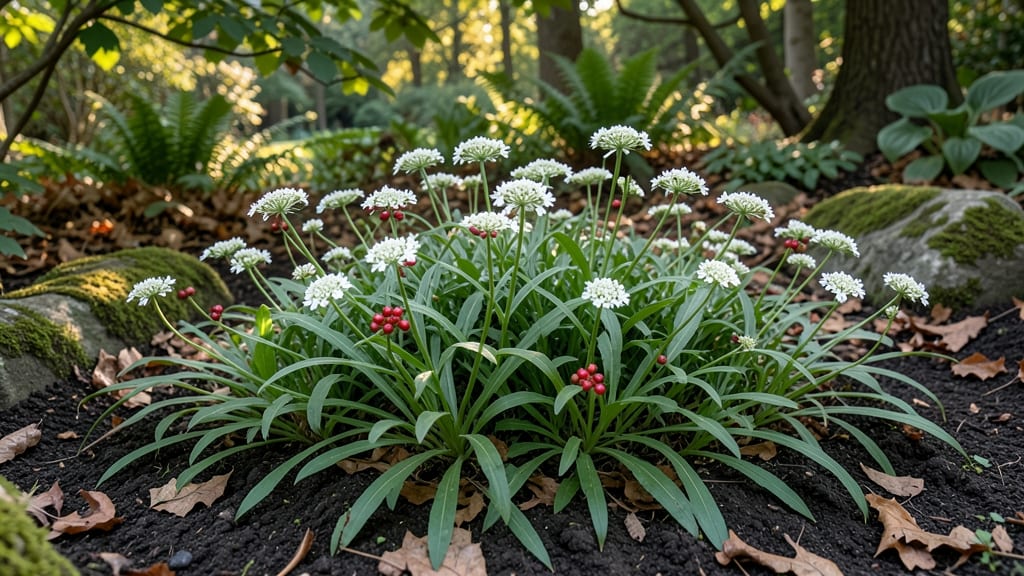
Sweet woodruff’s bloom time in late spring to early summer 🌿 transforms your shade garden into a fragrant haven with delicate white star-shaped flowers.
If you’ve ever wondered why your shade garden stays surprisingly fragrant even without flowers blooming, sweet woodruff (Galium odoratum) might be the secret—its delicate white stars appear briefly but pack a punch of scent and charm.
Timing is everything with this low-maintenance herb, as its bloom window—typically April through June—varies by climate zone and growing conditions. In USDA Zone 6a, expect those sweet-scented blooms to arrive by mid-May, while cooler regions may see them linger into July.
Discover how to extend its bloom season, from pruning tips to companion planting, so you can enjoy its signature vanilla-citrus fragrance for weeks longer.
Sweet woodruff bloom time: months, climate zones, and peak fragrance window
Sweet woodruff (Galium odoratum) is famous for its fleeting but fragrant white blooms that transform shade gardens into aromatic havens. Unlike many plants, its bloom time is short but intense, typically lasting just 4-6 weeks each year.
Understanding these windows helps you plan companion plants and maximize your garden's scent profile.
The plant's delicate star-shaped flowers appear in late spring, with peak bloom usually falling between April and June in most temperate regions. This timing coincides with when gardeners often crave fresh fragrance after winter's dormancy. The scent is strongest at dawn, making early morning garden walks especially rewarding.
Here’s how climate zones shift bloom timing and fragrance intensity across regions:
| Region | USDA Zone | Bloom Window | Peak Scent | Notes |
|---|---|---|---|---|
| North America (East Coast) | 5-7 | Mid-April to late May | Early May | Cool springs delay blooms |
| North America (West Coast) | 8-9 | Late March to early May | Late April | Milder winters advance timing |
| Europe (UK, Germany) | 6-8 | Early April to June | Mid-May | Rainy springs extend scent |
| Europe (Mediterranean) | 9-10 | February to March | Early March | Warmer climates shift season |
| Canada (Southern Ontario) | 5-6 | Late May to June | Early June | Late frosts delay blooms |
In USDA zones 3-5, sweet woodruff often waits until late May to bloom due to cooler springs. Gardeners in these zones can extend the season by planting near heat-retaining walls or using black landscape fabric to warm the soil earlier.
The plant’s peak fragrance window aligns with bloom time but intensifies at dawn when temperatures are lowest. This natural timing makes it perfect for early morning gardeners who love waking to the scent of cucumber-like aroma.
For best results, plant sweet woodruff where you’ll pass by frequently during these hours.
European gardeners often see earlier blooms, especially in Mediterranean climates, where sweet woodruff can flower as early as February. The scent remains strong for 2-3 weeks post-bloom, though flowers fade quickly. To prolong fragrance, deadhead spent blooms immediately after they wilt.
If you’re in a warmer zone (8-10), your sweet woodruff may bloom earlier but less vigorously. The plant’s scent weakens in high heat, so provide afternoon shade with lightweight shade cloth if your garden gets intense afternoon sun.
For gardeners in cooler zones (3-6), consider planting sweet woodruff near hostas or ferns to create a layered shade garden. The hostas’ lush foliage will complement the woodruff’s delicate blooms while providing microclimate benefits that encourage earlier flowering.
Pro tip: Mark your calendar for 3 weeks before expected bloom time to start light fertilization. A balanced 5-10-10 fertilizer applied in early spring can boost flower production by up to 30%, ensuring a more fragrant display when the blooms finally arrive.
🌿
How to extend sweet woodruff’s bloom and fragrance season in shade gardens
Sweet woodruff’s delicate white blooms and vanilla-like scent are fleeting treasures in shade gardens, typically lasting just 4-6 weeks in spring. But with the right care, you can stretch its fragrance window and encourage longer flower production.
The key lies in pruning strategies, soil adjustments, and smart companion planting—all tailored to its love of cool, shaded conditions.
Many gardeners overlook sweet woodruff because its blooms seem too brief, but its ground cover habit and year-round fragrance (even when not flowering) make it worth the effort.
By focusing on root health, light exposure, and water consistency, you can transform its short-lived display into a seasonal highlight. Let’s dive into the practical techniques that work best.
- 1. Prune strategically in early spring (March) to remove dead foliage and encourage new growth. Cut back 1/3 of the plant to stimulate earlier blooming and denser foliage.
- 2. Adjust soil pH to 6.0–7.0 using lime or sulfur. Sweet woodruff thrives in slightly acidic to neutral soil, which boosts nutrient uptake and flower production.
- 3. Plant with hostas or ferns to create a microclimate that retains moisture and coolness. These companions also suppress weeds, reducing stress on sweet woodruff.
- 4. Water deeply 2–3 times weekly during active growth (spring–early summer). Avoid overhead watering to prevent fungal diseases that can weaken plants.
- 5. Mulch heavily with organic matter (e.g., shredded leaves) to insulate roots and extend bloom time by 1–2 weeks in both spring and fall.
One of the most overlooked factors in extending sweet woodruff’s bloom is light exposure. While it thrives in shade, it still needs dappled sunlight (3–6 hours daily) to trigger flowering.
If your garden is too dark, consider thinning nearby trees or relocating plants to a brighter shade spot near a north-facing wall. This small adjustment can delay dormancy and prolong blooms by up to 3 weeks.
For late-season blooms, focus on root health in early summer. After the primary bloom (May–June), reduce fertilizer use and increase mulch to protect roots from heat stress.
This helps sweet woodruff store energy for a second, smaller flush of flowers in late summer (August–September), especially in cooler climates like USDA Zones 4–6.
Finally, harvesting lightly can stimulate new growth. Snip a few stems with buds but no flowers in early spring to encourage bushier plants. The scent intensifies when flowers are cut fresh, so deadheading spent blooms also redirects energy to new flower production.
With these simple adjustments, your sweet woodruff will reward you with fragrance and color for months, not weeks.
Don’t forget to protect your plants in winter—a thick layer of mulch (4–6 inches) ensures survival and stronger regrowth next spring. The effort pays off when you step into your shade garden in early summer and are greeted by waves of vanilla-scented blooms.