
Blooming
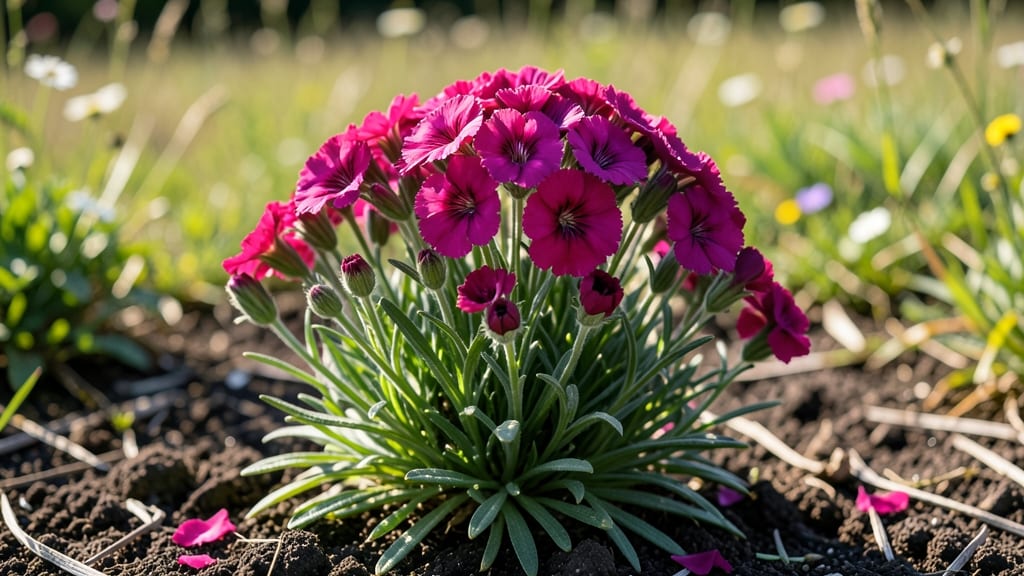
The dianthus bloom season arrives in late spring through early summer 🌸, with exact timing depending on your variety and climate zone—whether you’re growing sweet williams, carnations, or hardy perennials.
If you love the sweet fragrance and vibrant colors of dianthus, timing your planting and care around its bloom season is the secret to a showstopping garden—whether you’re in a cold northern zone or a warm southern climate.
Annual varieties like sweet william typically burst into color by June, while perennials may start as early as May in warmer regions or stretch into July in cooler zones. The key? Planting in March or April after the last frost ensures your dianthus gets a head start on flowering.
In this guide, I’ll break down the exact bloom windows by variety, share climate-specific tips to extend your blooms, and reveal the simple care tricks that keep your dianthus flowering for weeks longer.
Exact dianthus bloom seasons by variety and climate zone
Timing your dianthus planting around its bloom season ensures vibrant flowers all year. These plants thrive in USDA zones 3-10 but have distinct bloom periods depending on the variety.
Whether you're growing perennial dianthus, sweet william, or carnations, knowing when to expect blooms helps you plan for continuous color. Early spring varieties start as soon as March, while late-season types may bloom until October.
Climate plays a huge role in dianthus bloom timing. In cooler zones (3-6), blooms often start later in spring but last longer into fall. Meanwhile, warmer zones (7-10) may see earlier spring blooms with potential fall reblooms.
Each variety also has unique characteristics—some bloom once, while others reward you with multiple flushes if cared for properly. Let's break down the specifics so you can create a showstopping garden with year-round interest.
🌸 Key Visual Cue: Look for buds forming in late winter as your first sign that blooms are coming. In USDA zone 5, for example, you might see buds appear in April with flowers opening by May. The timing shifts slightly each zone, so let's explore the details.
| Variety | USDA Zones | Bloom Season | Notes |
|---|---|---|---|
| Perennial Dianthus | 3-9 | Late May - July | Reblooms with deadheading; drought-tolerant |
| Sweet William | 4-10 | June - August | Clusters of small flowers; thrives in heat |
| Carnations (Dianthus caryophyllus) | 7-10 | March - May, Sept-Nov | Annual in cold zones; fragrant blooms |
| Early Dianthus (e.g., 'Firewitch') | 3-8 | April - June | First to bloom; cold-hardy varieties |
| Late Dianthus (e.g., 'Matrona') | 5-10 | July - September | Heat-tolerant; extends season |
Understanding these bloom season patterns helps you mix varieties for continuous color. For example, planting 'Firewitch' (early bloomer) alongside 'Matrona' (late bloomer) ensures flowers from April through September in USDA zone 6. In warmer zones (7-10), you can even extend blooms into October or November with proper care.
For USDA zones 3-5, focus on perennial dianthus varieties like 'Firewitch' or 'Scentsation'. These cold-hardy types often bloom earlier in spring and may reward you with a second flush in late summer if you deadhead regularly.
In zone 4, expect blooms to start around late May, while zone 5 gardeners might see flowers as early as mid-May.
In southern zones (7-10), sweet william and carnations shine. These varieties often bloom earlier in March or April, giving you a head start on spring color. Sweet william, in particular, thrives in heat and can continue blooming through August.
For zone 10, some varieties may even rebloom in fall if given proper care.
One of my favorite tricks is to plant dwarf dianthus near tall perennials to create layered blooms. For instance, pair 'Firewitch' (12 inches tall) with black-eyed susans (24 inches tall) for a stunning early summer display.
The pink and purple hues of dianthus contrast beautifully with the golden-yellow of susans, extending your seasonal interest.
Don't forget that deadheading is key to prolonging blooms. For perennial dianthus, pinch back spent flowers after they fade to encourage new growth
How to extend your dianthus bloom season with simple tricks
Want your dianthus to burst into color for weeks longer? The secret lies in a few simple, science-backed tricks that encourage continuous blooming. Whether you're growing annual varieties like sweet william or perennial dianthus, these methods work across all USDA zones.
Let's dive into the easy steps that transform a 6-week bloom into a 3-month flowering spectacle.
First, understand that dianthus are heavy bloomers but need consistent care to keep producing flowers. Unlike some plants that bloom once and fade, dianthus can reward you with continuous blooms if you follow these seasonal care routines.
The key is timing—each trick works best during specific growth phases. Let's explore the most effective methods to maximize your dianthus bloom season.
- 1 Deadhead daily – Snip spent blooms with clean pruning shears to prevent seed formation. This redirects energy to new buds, extending blooms by 4-6 weeks.
- 2 Feed every 4 weeks – Use balanced 10-10-10 fertilizer in spring/summer. Avoid fall feeding to prevent tender new growth before frost.
- 3 Water at soil level – Direct water to base of stems (not foliage) to prevent fungal diseases. Early morning watering maximizes root absorption and bloom health.
- 4 Prune after blooming – Cut back perennial dianthus by 1/3 in late summer to encourage fall reblooming. Annuals can be pruned lightly to maintain shape.
- 5 Amend soil annually – Mix in compost and sand (for drainage) every spring. Dianthus thrives in well-draining, slightly alkaline soil (pH 6.0-7.0).
Let's start with the most impactful trick: deadheading. This isn't just about tidying up—it's the #1 way to signal your dianthus to "keep blooming!" When you remove faded flowers with clean cuts, you prevent the plant from wasting energy producing seeds.
I've seen annual sweet william go from 4 weeks of blooms to 10 weeks just by deadheading every 2-3 days during peak season.
For perennial dianthus, timing matters even more. After their main spring bloom fades, give them a light pruning to encourage a second flush of flowers in late summer. I prune mine right after the first frost threat passes in my Zone 6 garden, usually around mid-June.
This second bloom often lasts until early October, giving me an extra 3-month extension compared to unpruned plants.
Don't overlook the power of watering technique. Dianthus hate soggy roots, which can lead to root rot and powdery mildew. Instead of overhead watering, aim for deep, infrequent watering at the base.
I use a soaker hose set to 10 minutes every 5-7 days during summer, which keeps the soil moist without wetting the leaves. This simple change has nearly eliminated fungal issues in my garden.
Finally, feed your dianthus the right way. Too much fertilizer can lead to leafy growth at the expense of blooms, while too little starves your plants. I use a slow-release 10-10-10 fertilizer in early spring and again in mid-summer, applying just 1 tablespoon per plant.
The key is consistency—don't skip feeding during the active blooming months of May through August.
With these five simple tricks, you'll transform your dianthus from a short-lived spring display into a long-blooming garden star. The best part? These methods work for both annual and perennial varieties, so you can apply them no matter what type of dianthus you're growing. 🌸