
Blooming
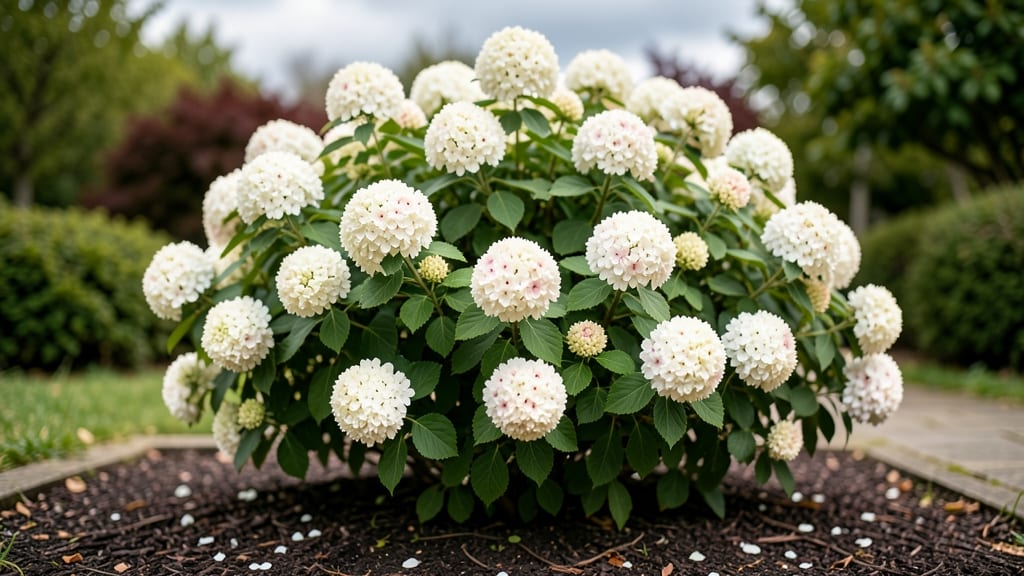
The snowball viburnum bloom time arrives like clockwork—but did you know frost can trigger a second flush of flowers? 🌸 I’ve watched mine burst into purple pom-poms twice a season, and the secret lies in understanding its frost-sensitive nature.
In most regions, the first wave arrives in late April to May, but a hard freeze in fall can coax those late-summer blooms back. The key to encouraging reblooms is light pruning after the first flush—never before—to avoid cutting off next year’s buds.
I prune dead stems in early spring, then only shape lightly after blooms fade. Over-fertilizing with nitrogen can backfire, though—too much leafy growth means fewer flowers. Instead, feed lightly with balanced 10-10-10 in early spring and skip fall feeding entirely.
Those second blooms often appear in late summer to early fall, especially after a cold snap. The flowers may be smaller, but the fragrance stays just as sweet.
To protect your shrub, mulch heavily in fall and water deeply before the ground freezes—this ensures roots stay hydrated for next year’s big show. For colder climates (zones 3-5), expect the first blooms slightly later, while milder zones (6-7) may see earlier—and sometimes overlapping—bloom times.
The frost trigger works best in areas with hot summers and cold winters, so don’t be surprised if your zone 8 viburnum skips the rebloom entirely.
📚 In This Guide
- What you need
- Instructions
- Tips and common mistakes
- Wrapping up and next steps
What you need
- ● Snowball Viburnum Plant (Viburnum opulus 'Roseum') – Ensure it’s healthy, mature (3+ years old), and established in your landscape.
- ● Pruning Shears – Sharp, clean, and sterilized (70% isopropyl alcohol or bleach solution) to prevent disease spread.
- ● Gloves – Heavy-duty gardening gloves (to protect from thorns and sap).
- ● Watering Can or Hose – For post-pruning hydration (1–2 gallons per plant).
- ● Frost-Cloth or Lightweight Blanket – 30–50% shade cloth or an old blanket (for controlled frost exposure).
- ○ Thermometer (Optional but Helpful) – A digital soil/air thermometer to monitor temperatures (28–32°F triggers rebloom).
- ● Organic Mulch – 2–3 inches of shredded bark or pine needles to insulate roots.
- ● Slow-Release Fertilizer – Balanced 10-10-10 or low-phosphorus formula (1 tbsp per plant, spring/fall).
- ● Plant Support Stakes – If your viburnum is leggy (for shaping after pruning).
- ● Journal or App – To track bloom cycles, frost dates, and pruning notes (e.g., Gardenate or a simple notebook).
How to time snowball viburnum blooms for reliable purple displays
Here’s how I’ve learned to coax those iconic white snowball clusters into reblooming—with a little frost help.
⏰ Step 1: Understand the Frost-Triggered Bloom Cycle
Snowball viburnums (Viburnum opulus) bloom twice yearly, but the second flush depends on winter chilling. After the spring bloom, the plant needs 30-60 days of temperatures below 45°F to reset its buds. I track my local frost dates and note when daytime highs dip consistently—this is when the plant’s preparing for its next show.
If you live in a mild-winter zone, you might need to simulate chilling by wrapping the plant in frost cloth for a few weeks in late winter. Watch for new bud swell along the stems—those are your promise of purple-tinged fall blooms. Without proper chilling, you’ll get only the spring display.
☀️ Step 2: Prune After Spring Bloom for Stronger Fall Flowers
Prune right after the spring blooms fade (late May to early June) to encourage the fall flush. Cut back any dead, crossing, or weak branches to open the center—this improves airflow and sunlight penetration. I remove no more than 25% of the plant in one season, as viburnums bloom on old wood.
Here’s the trick: leave at least 3-4 buds on each remaining branch. These buds hold next year’s flowers, and pruning too aggressively can starve the plant of energy for reblooming. After pruning, water deeply to help the plant recover before summer heat.
💧 Step 3: Water Deeply During Bud Formation
Once summer arrives, focus on deep watering every 7-10 days—enough to moisten the soil 12 inches down. Viburnums are drought-tolerant but need consistent moisture to develop strong flower buds. I check by pushing a finger into the soil; if it’s dry past 2 inches, it’s time to water.
Overhead watering can encourage fungal issues, so I use a soaker hose or drip irrigation. Avoid wetting the foliage in late afternoon to prevent mildew. By late summer, you’ll see small green buds forming—these are the future blooms. If buds shrivel or drop, the plant may be stressed from drought or poor soil.
✂️ Step 4: Light Pruning in Early Fall to Encourage Blooms
In late August to early September, do a final light pruning to remove any dead or diseased branches. This keeps the plant’s energy focused on the remaining buds. I also thin out any overly dense growth to prevent winter damage from snow buildup.
Here’s where the frost comes in: if your area gets light freezes (below 32°F) in fall, the plant may produce even more vibrant purple-tinged blooms. Just avoid heavy frost damage—wrap young plants in burlap if needed. By October, you should see buds swelling along the branches, ready for their winter chilling period.
🌿 Step 5: Protect from Late Winter Thaw Stress
If winter thaws occur early, cover the plant with frost cloth to prevent premature bud break. Sudden warmth followed by a hard freeze can kill emerging buds. I monitor local forecasts and act fast—even a 24-hour cover can save the blooms.
Once the risk of frost passes in spring, remove the cloth gradually to avoid shocking the plant. The first flush of blooms should appear in late April to early May, with the second, often more vibrant display arriving in late summer to fall. With patience and these steps, you’ll get those snowball clusters year after year.
Tips & tricks for perfect snowball viburnum reblooming
Here’s what I’ve learned after years of experimenting with these frost-loving shrubs—small details make all the difference.
Chilling Time is Non-Negotiable: Those 30-60 days below 45°F are critical for reliable fall blooms. If you're in a mild climate, consider moving your plant to a cooler garage or basement for a few weeks in late winter. I once skipped this for a young plant, and it took three years before I got that second flush—don't make my mistake! The buds actually need this cold period to "remember" when to bloom in fall.
Pruning Precision Matters: When you prune after spring blooms in Step 2, focus on creating an open center rather than just cutting back branches. I measure my cuts so I never remove more than 25% of the plant—this keeps the energy flowing to next year's buds. Also, always leave those 3-4 buds on each remaining branch. I mark these with a pencil before cutting to avoid accidental removal.
Watering Wisdom: That 12-inch deep watering every 7-10 days in Step 3 is about more than just moisture—it's about training your plant's roots to grow deep. I test soil moisture by pushing my finger down; if it feels dry past 2 inches, I water immediately. The key is consistency—viburnums hate moisture swings. During bud formation in late summer, I switch to early morning watering to prevent fungal issues from evening dampness.
Frost Protection Strategy: When using frost cloth in Step 5, I never leave it on for more than 24 hours at a time during winter thaws. The cloth traps too much heat if left longer. For young plants, I wrap them in burlap first, then add frost cloth—this creates better airflow. And here's a pro move: I remove the cloth gradually over 3-4 days in spring to acclimate the plant, preventing shock that can kill emerging buds.
Pro Tips for Snowball Viburnum Bloom Time
- Here’s what I’ve learned after years of experimenting with these frost-loving shrubs—small details make all the difference.
- Chilling Time is Non-Negotiable: Those 30-60 days below 45°F are critical for reliable fall blooms.
- Pruning Precision Matters: When you prune after spring blooms in Step 2, focus on creating an open center rather than just cutting back branches.
Frequently asked questions
Got questions about timing, care, or maximizing those stunning snowball viburnum blooms? You’re in the right place! Here are answers to the most common queries—so you can enjoy year-round purple magic with confidence.
When does snowball viburnum bloom, and why does it sometimes rebloom?
Snowball viburnum typically blooms in late spring to early summer (May–June), but its frost-triggered rebloom is the real showstopper! After a light frost in fall or winter, it may produce a second flush of flowers—often in late winter or early spring (Feb–March). This quirky habit is why it’s called a "frost-requiring" shrub!
How do I encourage a second bloom in snowball viburnum?
To coax a rebloom, prune lightly after the first flush (summer) to avoid cutting off next year’s buds. In late winter, apply a light frost (or simulate it with a cold spray if needed). Keep the plant well-watered but not soggy and fertilize lightly in early spring. Patience pays off—reblooms may take 1–2 years to appear consistently!
What should I do if my snowball viburnum isn’t blooming?
No blooms? Check these fixes:
- Age: Young plants (under 3 years) may not bloom yet—be patient!
- Pruning mistakes: Avoid heavy cuts in late winter/early spring (this removes next year’s buds).
- Sunlight: Ensure it gets full sun (6+ hours/day)—shady spots reduce blooms.
- Soil/nutrients: Test soil pH (ideal: 5.0–7.0) and amend with compost if needed.
Are there snowball viburnum alternatives with similar blooms?
If you love the snowball viburnum’s drama but want variety, try these:
- Korean Spice Viburnum (Viburnum carlesii): Fragrant spring blooms + red fall berries.
- Waxleaf Viburnum (Viburnum tinus): Reblooms after pruning (great for hedges!).
- Doublefile Viburnum (Viburnum plicatum ‘Tomentosum’): Layered blooms, no frost trigger needed.
Will snowball viburnum survive a hard freeze? How cold can it handle?
Snowball viburnum is hardy to USDA Zones 3–8, meaning it tolerates temps down to -30°F (-34°C). While it loves a light frost to rebloom, severe ice damage (e.g., heavy wet snow) can stress it. Protect young plants with burlap wraps in extreme winters. Prune damaged branches in early spring once new growth starts.
Wrapping up and next steps
Now that you know the snowball viburnum bloom time secrets—from frost-triggered reblooms to seasonal care—you’re ready to transform your garden into a year-round purple paradise. 🌸✨ With the right timing, pruning, and a little patience, your viburnum will reward you with stunning blooms well beyond the spring rush. Next up? Grab your pruners and head outside—your garden’s next masterpiece is waiting!