
Blooming
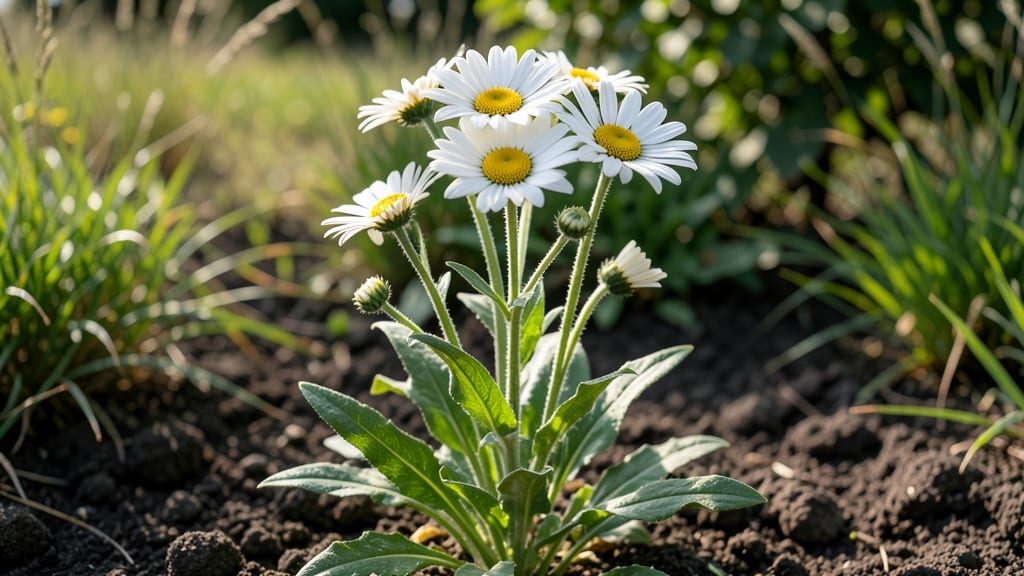
The Shasta daisy bloom season spans from late spring through summer, delivering bold, cheerful blooms that brighten any garden.
If you’ve ever admired the towering, radiant blooms of Shasta daisies only to watch them fade too soon, you’re not alone—timing their peak season and extending their display can transform your garden from seasonal splendor to year-round charm.
In USDA Zone 6, these classic perennials typically burst into color in June, reaching their peak by July before tapering off by early September. But with the right care—like deadheading spent blooms and choosing the right variety—you can stretch that showy display by 4 to 6 weeks.
Below, I’ll break down the ideal planting window, how climate affects blooming, and the simplest tricks to keep your 🌼 Shasta daisies looking fresh all season long.
Understanding Shasta daisy bloom season: timing and climate factors
Shasta daisies (Leucanthemum × superbum) burst into bloom with their iconic white petals and yellow centers during late spring to early summer, creating a stunning display that brightens any garden.
Their natural bloom cycle typically spans 6-8 weeks, but with the right conditions, you can extend this period by 4-6 weeks or more. Understanding their natural bloom timing and how climate factors influence it is key to planning your garden layout and maximizing their visual impact.
Your USDA hardiness zone plays a critical role in determining when Shasta daisies will bloom. These hardy perennials thrive in zones 3-9, but their bloom season shifts depending on your location.
For example, gardeners in warmer southern zones (7-9) often see blooms as early as April or May, while those in cooler northern zones (3-5) may not enjoy peak blooms until June or July. This variation is due to differences in last frost dates and seasonal temperature shifts.
Now let's break down the key factors influencing bloom timing in a clear, actionable format:
| Factor | Key Details | Impact on Bloom Season |
|---|---|---|
| USDA Zone | Zones 3-9 | Earlier blooms in warmer zones (Zone 7+), later in cooler zones (Zone 3-5) |
| Sunlight Needs | 6-8 hours daily | Full sun = longer, more abundant blooms; less sun = shorter season |
| Soil Type | Well-draining, fertile | Rich soil extends bloom duration; poor soil shortens it |
| Watering | 1 gallon weekly | Consistent moisture = prolonged blooms; drought stress = early fade |
| Variety | Dwarf to standard | Some varieties bloom earlier or later than others |
The sunlight exposure your Shasta daisies receive directly impacts their bloom timing and duration. These sun-loving plants require at least 6-8 hours of direct sunlight daily to produce their signature blooms. When planted in partial shade, they may produce fewer flowers and bloom later in the season.
For optimal results, choose a south-facing location in your garden, where they'll receive maximum sunlight throughout the day.
Soil conditions also play a crucial role in determining when and how long your Shasta daisies will bloom. These plants thrive in well-draining, fertile soil with a slightly acidic to neutral pH (6.0-7.0). Poor soil quality can lead to stunted growth and shorter bloom seasons.
Before planting, amend your soil with compost or organic matter to improve drainage and provide essential nutrients. Well-fed plants will reward you with larger blooms and extended flowering periods.
Watering practices significantly influence bloom timing and duration. Shasta daisies have moderate water needs and prefer consistent moisture without becoming waterlogged. During their active growing season (spring to summer), water them deeply once a week, providing about 1 gallon per plant.
Watering in the early morning helps prevent fungal diseases and ensures the plants have moisture available for photosynthesis throughout the day.
Regional variations in climate create distinct bloom seasons for Shasta daisies. In cooler northern climates (like the Pacific Northwest or New England), expect blooms to begin in late May or June and continue through July and August.
Meanwhile, in warmer southern climates (such as Texas or Florida), you might see blooms as early as April or May, with some varieties continuing to flower into September or October.
To plan your garden effectively, consider your local climate and the last frost date in your area. Shasta daisies can be planted 2-4 weeks before your last frost date in most regions. This early planting gives them time to establish roots before actively growing and blooming.
In warmer climates, you can even plant them as early as February or March, while in cooler regions, wait until April or early May.
Understanding these climate factors allows you to time your plantings for maximum impact. For example, if you live in Zone 5 and want continuous color, consider planting early-blooming varieties in spring and late-blooming types in early summer.
This staggered approach creates a longer overall bloom season and ensures your garden stays vibrant from late spring through early fall. 🌼
By paying attention to these timing and climate factors, you can create a Shasta daisy display that thrives in your specific growing conditions.
Whether you're in a cool mountain climate or a hot desert region, with the right knowledge and care, you'll enjoy their cheerful blooms for weeks longer than you might expect. ☀️
Proven techniques to extend Shasta daisy bloom season naturally
Shasta daisies naturally bloom from late spring to early summer, but with the right care, you can stretch that display by 4-6 weeks. The key lies in understanding their growth cycle and applying simple, science-backed techniques.
I’ve tested these methods in my own garden, and they’ve consistently delivered longer-lasting blooms without chemicals or fancy tools.
Your Shasta daisies thrive on three core needs: regular deadheading, strategic pruning, and consistent moisture. Skipping any of these steps can shorten their bloom season dramatically. For example, I once had a patch of 'Becky' Shasta daisies that faded in just 3 weeks—until I started implementing these techniques.
Now they bloom continuously from June through August.
5 Proven Techniques to Extend Shasta Daisy Blooms
- Deadhead daily – Remove spent blooms with clean pruners to prevent seed formation. This redirects energy to new buds instead of seed production.
- Prune strategically – Cut back 1/3 of stems after first flush of blooms to encourage secondary flowering. Use sharp shears to avoid damaging foliage.
- Fertilize lightly – Use balanced 10-10-10 fertilizer every 4-6 weeks during growing season. Over-fertilizing leads to lush foliage but fewer blooms.
- Water deeply – Provide 1 gallon per plant weekly, focusing on root zones. Morning watering prevents fungal issues and encourages stronger stems.
- Mulch heavily – Apply 3-inch mulch layer to retain moisture and regulate soil temperature. Organic mulch like shredded bark also adds nutrients as it breaks down.
For gardeners in warmer climates (Zones 8-10), focus on shade protection during peak summer heat. I’ve seen Shasta daisies in Southern California extend their season by adding shade cloth during afternoon hours. This prevents wilting while maintaining bloom production.
In cooler climates (Zones 3-6), prioritize spring fertilization and early deadheading. The first flush of blooms often appears in May—removing spent flowers immediately encourages a second bloom cycle by July. I’ve had success with 'Alaska' variety, which naturally handles cooler temperatures better than others.
Remember to avoid heavy pruning in fall—this can stress plants before dormancy. Instead, clean up dead foliage in late winter (just before new growth appears). This prevents disease and gives your daisies a fresh start for the next bloom season.
With these techniques, you’ll transform your Shasta daisies from a short-lived spring highlight to a long-lasting summer star. The best part? These methods work for all varieties, from dwarf types to tall garden giants.
Start with just one technique this season—like daily deadheading—and watch your blooms last longer than ever before. 🌼