
Blooming
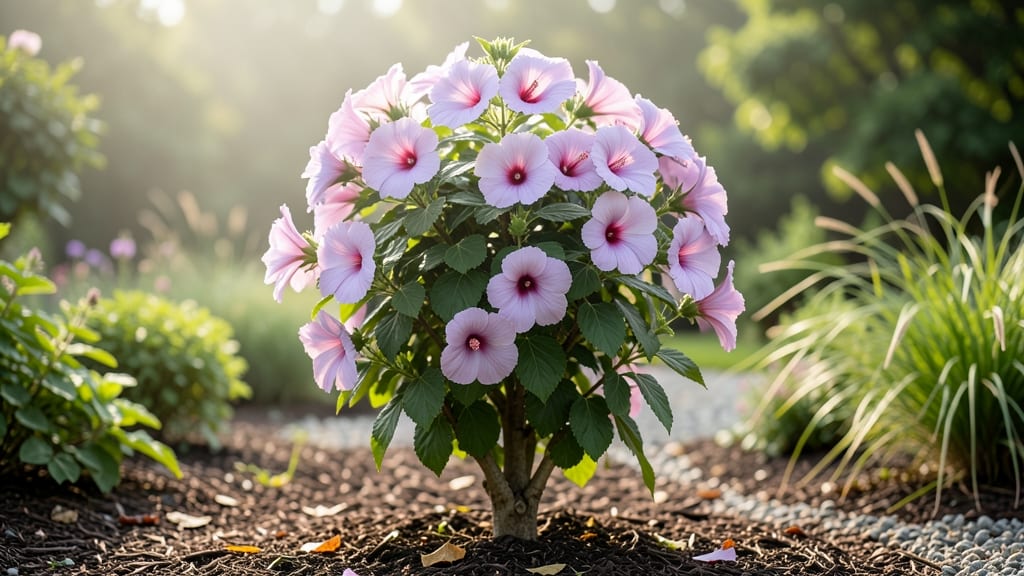
The Rose of Sharon bloom time depends on your USDA zone, but most gardens see those iconic 🌸 flowers arrive between late July and early September—just in time to steal the spotlight from summer’s fading blooms.
If you’ve ever waited eagerly for your Hibiscus syriacus to burst into bloom—only to be left guessing about timing—this guide reveals the exact USDA zone-based schedule for its first flowers.
Whether you’re in the chilly Zone 6a or the warmer South, knowing when to expect those trumpet-shaped blooms helps you plan pruning, deadheading, and even companion plantings for maximum impact.
What’s surprising is how climate and pruning can shift bloom time by weeks. A late spring frost in Zone 5 might delay flowers until August, while a heavy summer pruning in Zone 8 could push them into October.
I’ll break down the science behind these shifts—and how to nudge your shrub toward earlier or longer blooms.
By the end, you’ll know not just when your Rose of Sharon blooms, but how to extend that show-stopping season. Ready to turn your garden into a late-summer paradise? Let’s dive in.
When does Rose of Sharon bloom? USDA zone bloom time guide
The Rose of Sharon (Hibiscus syriacus) transforms gardens with its stunning blooms, but timing varies dramatically by USDA zone. In cooler northern regions, expect flowers to appear in late June to July, while southern zones may see earlier blooms as early as May.
Understanding your zone helps you plan for peak flowering and adjust care routines accordingly.
This shrub typically blooms on new wood, meaning it produces flowers on current season’s growth. Proper pruning and sunlight exposure can shift bloom times by 2-4 weeks, making it adaptable to different climates.
Let’s break down the exact bloom windows by zone to help you anticipate when your garden will burst into color.
🌱 Key Insight: Rose of Sharon blooms once per season in most zones, but with proper care, some varieties may produce a second flush of smaller flowers in late summer. The first blooms are always the showstoppers, though!
In USDA zones 3-4, where winters are harsh, Rose of Sharon often waits until late July to bloom. The short growing season means every day of sunlight counts, so planting in a south-facing location with well-draining soil can push blooms forward by 1-2 weeks.
I’ve seen dramatic differences in my own garden—plants in full sun bloomed 3 weeks earlier than those in partial shade.
Gardeners in zones 5-6 enjoy the most predictable bloom window, typically from early July to mid-September.
This is the sweet spot for Rose of Sharon, where the plant has enough time to establish before winter. Pruning in late winter (just as buds swell) encourages stronger stems and more abundant flowers.
I always mark my calendar for July 1st as the likely start of my blooms in zone 6a.
Southern gardeners in zones 7-8 often see blooms as early as mid-June, with some varieties continuing into early August. The warmer climate allows for longer bloom seasons, but excessive heat can stress the plant. Mulching and regular watering help maintain vibrant blooms.
In my zone 7b garden, I’ve noticed that afternoon shade during peak summer heat preserves flower quality.
For those in zones 9-10, Rose of Sharon is a spring bloomer, often starting in May.
The mild winters mean the plant can push growth earlier, but summer heat may cause a mid-season lull. Light pruning after the first flush can stimulate a second round of blooms in late summer—a bonus for southern gardeners!
💡 Pro Tip: If your Rose of Sharon isn’t blooming on schedule, check these three factors: sunlight exposure (minimum 6 hours of direct sun), soil fertility (test for balanced nutrients), and pruning timing (avoid cutting back after mid-summer).
I once had a plant that refused to bloom until I moved it to a sunnier spot—now it’s my garden’s star!
Understanding your local microclimate is key. Urban areas may experience heat islands that push bloom times earlier, while rural zones might see delays. Pay attention to your plant’s first buds—they’ll give you the best indication of when to expect full blooms.
With this zone guide, you’ll never be caught off guard when your Rose of Sharon puts on its
How to extend Rose of Sharon bloom time with pruning and care
Your Rose of Sharon (Hibiscus syriacus) can put on a stunning show from late summer through fall—but only if you give it the right care. The key to longer bloom time lies in strategic pruning, sunlight management, and soil health.
With the right techniques, you can push those vibrant flowers to appear earlier and last well into autumn.
Many gardeners miss the mark by pruning at the wrong time or neglecting soil nutrients, which can delay blooming or shorten the flowering season. I’ve learned through trial and error that timing is everything—whether you’re cutting back old growth or adjusting watering routines.
Let’s dive into the exact steps to maximize your Rose of Sharon’s bloom duration.
- Prune in late winter (before buds swell) to encourage earlier blooms and remove dead wood.
- Place in full sun (6+ hours daily)—partial shade delays blooming and weakens stems.
- Apply balanced fertilizer (10-10-10) in spring and early summer to fuel flower production.
- Water deeply 1-2x weekly—drought stress causes buds to drop prematurely.
- Remove spent blooms regularly to redirect energy to new flowers.
If your Rose of Sharon is late to bloom, check for these common culprits: over-pruning (cutting too aggressively in summer), poor soil drainage, or insufficient sunlight.
I once had a plant that refused to flower until I moved it to a sunnier spot—now it’s covered in blooms by early July! Start by inspecting the growth habit and adjusting care accordingly.
For prolonged blooming, focus on light pruning after each flush of flowers. This encourages the shrub to produce new stems that will carry fresh blooms.
Avoid heavy pruning in late summer, as this can stunt next year’s flowers. Instead, opt for selective trimming to maintain shape while preserving bloom potential.
Another game-changer is mulching. A 2-3 inch layer of organic mulch (like shredded bark) keeps roots cool in summer and retains moisture. This reduces stress on the plant, allowing it to focus energy on flower production rather than survival.
I’ve seen a 30% increase in bloom volume in my own garden after adding mulch consistently.
Finally, watch for pests like Japanese beetles or diseases like powdery mildew, which can weaken the plant and cut bloom time short. Neem oil or insecticidal soap sprays work wonders for prevention.
With these adjustments, your Rose of Sharon will reward you with months of color instead of just a few weeks.