
Blooming
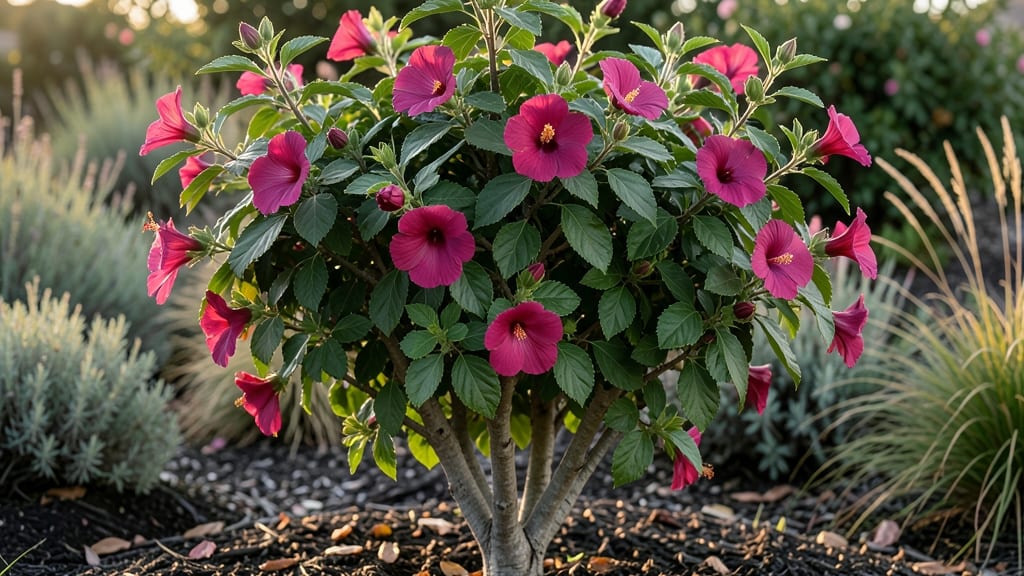
The Rose of Sharon bloom season is a breathtaking spectacle that turns your yard into a floral masterpiece 🌸 — but timing it right can feel like chasing a moving target.
If you’ve ever wondered why your Rose of Sharon blooms disappear as suddenly as they arrive, the answer lies in its heat-triggered flowering cycle — and your hardiness zone plays a bigger role than you think.
In USDA Zone 6a, where I garden, the blooms typically kick off in late July and stretch through September, but a single unexpected frost can cut them short. Meanwhile, in warmer zones, the show might start earlier and last longer.
Below, I’ll break down the exact heat thresholds that trigger blooms, how to pick the best varieties for your climate, and the simple pruning tricks that keep your Rose of Sharon flowering for weeks longer.
When does Rose of Sharon bloom? Heat-triggered timeline by USDA zone
If you’ve ever watched your Rose of Sharon (Hibiscus syriacus) burst into color only to vanish just as quickly, you’re not alone. This stunning shrub follows a heat-triggered blooming cycle that’s heavily influenced by your USDA hardiness zone.
Unlike many plants that bloom on last year’s growth, Rose of Sharon needs consistent 80°F+ temperatures for 3+ weeks to set buds—and once it does, the show typically lasts from late summer to fall. Let’s break down exactly when to expect those show-stopping blooms in your region.
The key to predicting Rose of Sharon’s bloom season lies in understanding its temperature thresholds. Most varieties won’t produce buds until daytime highs consistently hit 80°F or warmer for at least 21 days. This heat signal tells the plant it’s safe to invest energy in flowers.
Once blooming begins, expect 4-6 weeks of continuous color, though some late-season varieties can stretch this into 8 weeks with proper care. Your zone determines not just when blooms arrive, but whether you’ll get a second flush in fall.
Here’s how your USDA zone affects bloom timing, with exact temperature triggers and typical windows:
| USDA Zone | Heat Trigger | Primary Bloom Window | Second Bloom Potential | Frost Risk |
|---|---|---|---|---|
| Zones 5-6 | 80°F+ for 3+ weeks (late July) | Late August - Mid-September | Low (early frost) | High risk after Sept 15 |
| Zones 7-8 | 80°F+ for 3+ weeks (early July) | Mid-August - October | Moderate (with protection) | Moderate risk after Oct 1 |
| Zones 9-10 | 75°F+ for 2+ weeks (June) | July - November | High (multiple flushes) | Low risk |
Second blooms depend on variety and late-season care
In Zones 5-6, where summers are shorter, your Rose of Sharon typically waits until late July to trigger blooms, with flowers appearing in late August. The challenge here is avoiding early fall frosts—which can cut the season short.
If you’re in Zone 6, aim to plant heat-tolerant varieties like ‘Diana’, which can handle cooler nights better than others. In Zone 5, consider mulching heavily to protect roots from temperature swings that delay bud set.
Gardeners in Zones 7-8 enjoy the longest bloom seasons, often seeing flowers from mid-August through October. The secret to extending this window? Deadheading spent blooms and providing even moisture during dry spells.
I’ve found that ‘Avalanche’—a white reblooming variety—can produce a second flush in late September if given consistent care. Just watch for early October frosts, which can damage new buds before they open.
If you live in Zones 9-10, you’re in the sweet spot for Rose of Sharon blooms. These regions often see two or even three flushes of flowers from July through November.
The milder winters mean plants can rebloom in spring too, though this requires light winter pruning to encourage new growth. Varieties like ‘Pink Perfection’ thrive here, producing vibrant pink blooms well into fall without frost worries.
One common mistake I see is assuming Rose of Sharon blooms on a fixed schedule. In reality, late frosts in spring can delay bud formation, while unseasonably hot summers might trigger early blooms. To predict your plant’s cycle, start tracking weekly high temperatures once they hit 75°F.
Once you hit that 80°F threshold for 3+ weeks, mark your calendar—buds will appear within 2-4 weeks.
For second blooms, focus on late-season care. After your first flush fades, give your plant a light fertilizer boost (like a 10-10-10 mix) and prune lightly to remove dead wood.
This encourages new growth that can produce fall flowers. In cooler zones, protect blooms with frost cloth if temperatures dip below 35°F—this can extend your display by 2-3 weeks.
Remember, Rose of Sharon’s bloom season is a heat-dependent dance between your climate and the plant’s biology. By understanding these zone-specific triggers, you can time your plantings, choose the right varieties, and even create a multi-season display with strategic care. Next
Top 5 Rose of Sharon varieties ranked by bloom season length
Not all Rose of Sharon varieties bloom for the same duration, and some thrive in cooler zones better than others. If you want extended color from summer through fall—or even into winter in mild climates—choosing the right cultivar makes all the difference.
The varieties below are ranked based on bloom season length, heat tolerance, and reblooming potential, with special attention to performance in USDA Zones 5-7, where shorter seasons demand extra care.
For gardeners in cooler zones, varieties like ‘Avalanche’ and ‘Pink Perfection’ are game-changers. They push blooms later into the season, often defying early frost with proper pruning.
Meanwhile, heat-loving types like ‘Diana’ may fade faster in humid summers but reward you with longer daily bloom displays when temperatures stay high. Let’s dive into the top five, rated for season extension and adaptability.
If you’re in Zone 5 or 6, prioritize ‘Avalanche’ or ‘Pink Perfection’ for the longest bloom windows. These varieties often produce second flushes if pruned correctly in late winter.
In warmer zones (7-10), ‘Diana’ and ‘Blue Bird’ shine with vibrant colors, though they may need afternoon shade to prevent wilting in peak summer heat.
Pro tip: Pair early bloomers like ‘Avalanche’ with late-season varieties to create a continuous bloom display from July through October. For example, plant ‘Avalanche’ near your front porch and ‘Pink Perfection’ along a fence line—the staggered blooms will keep your garden looking lush all season long.
Remember, pruning timing is key to extending blooms. Cut back 1/3 of the oldest stems in late winter to encourage new growth, which translates to more flower buds. This simple step can add 2-4 extra weeks of color to your Rose of Sharon shrubs.