
Blooming
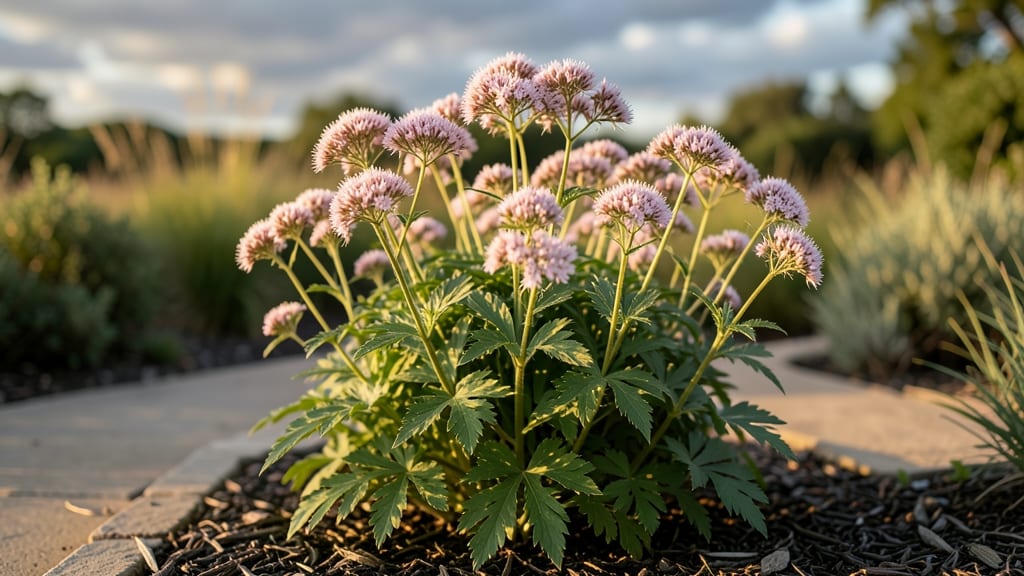
The Queen of the Prairie bloom time in mid-to-late summer 🌸 doesn’t have to be fleeting—with the right tricks, those golden plumes can stretch into fall. Picture this: your garden fading into autumn colors while your Queen of the Prairie stands tall, still blooming like it’s summer.
That’s not just luck—it’s science. Heat waves trigger a second flush of flowers, and knowing how to coax it out can turn a one-time show into a late-season spectacle.
From strategic pruning to soil moisture hacks, I’ll walk you through the exact steps to extend those blooms by 4-6 weeks, even in cooler zones like 4-9. No more missed opportunities for that prairie-inspired drama.
You’ll also discover how to pair it with complementary plants for a seamless seasonal transition, ensuring your garden stays vibrant long after most flowers have said goodbye.
When and why Queen of the Prairie blooms: heat-triggered rebloom science
The Queen of the Prairie (Filipendula palmata) typically blooms in late summer, but its heat-triggered rebloom is what makes it a garden standout.
This perennial prairie plant thrives in USDA zones 3-9, where summer heat waves can stimulate a second flush of golden plumes that last until frost. Understanding this natural bloom cycle helps gardeners extend the plant's show by weeks.
Native to prairie regions, Queen of the Prairie evolved to respond to temperature shifts and soil moisture changes. When daytime temperatures consistently reach 85°F (29°C) or higher, the plant perceives this as a signal to rebloom.
This heat-induced flowering is especially noticeable in drier climates where water stress combined with heat triggers dormancy-breaking hormones.
The ideal bloom conditions include:
- 6+ hours of full sun daily
- Well-draining soil with moderate moisture
- Consistent afternoon heat (80°F+ for 3+ days)
| Factor | Optimal Range | Effect on Blooms |
|---|---|---|
| Temperature | 85°F+ (29°C+) for 3+ days | Triggers rebloom hormones |
| Sunlight | 6+ hours full sun | Enhances flower production |
| Soil Moisture | Moderate (not soggy) | Prevents stress-induced dormancy |
| Humidity | 30-50% (dry to moderate) | Reduces fungal risks |
| USDA Zones | 3-9 | Determines frost-free bloom window |
In cooler zones (3-5), Queen of the Prairie may bloom earlier (July-August) but still respond to heat with a late-season rebloom if temperatures spike. In warmer zones (6-9), the primary bloom often occurs in June-July, with reblooms appearing in September-October when cooler nights return.
Soil moisture balance is critical—too much water suppresses blooms, while drought stress can trigger early dormancy. Aim for 1 inch of water weekly during active growth, reducing to every 2 weeks in fall. Mulching with 2-3 inches of organic matter helps maintain consistent soil temps and moisture.
If your Queen of the Prairie fails to rebloom, check for these common issues:
- Over-fertilizing with nitrogen (promotes leafy growth)
- Shade from encroaching plants (reduces sunlight exposure)
- Improper pruning (cutting back too late in season)
For maximum rebloom potential, plant Queen of the Prairie in south-facing beds where it receives uninterrupted afternoon sun. Pair it with drought-tolerant companions like black-eyed Susans or sedum to create a low-maintenance prairie border that thrives on heat.
The science behind reblooming lies in the plant's photoperiod sensitivity. While it doesn't rely solely on daylight hours, temperature fluctuations act as a secondary cue. When nights cool to 60°F (15°C) after hot days, the plant resets its flowering hormones, leading to that magical second bloom.
To encourage reblooms, avoid heavy pruning after the first flush. Instead, deadhead spent blooms by cutting stems back to 1/3 of their height in early fall. This stimulates new growth and sets the stage for next year's earlier and more prolific blooms.
With the right care conditions, your Queen of the Prairie can bloom from July through October, turning your garden into a golden prairie oasis that hummingbirds and bees adore. The key is balancing heat, light, and moisture—nature's perfect recipe for extended seasonal color.
5 Proven techniques to force late-season Queen of the Prairie reblooms
Your Queen of the Prairie (Filipendula palmata) doesn’t have to be a one-hit wonder! With the right late-season tricks, you can coax those golden plumes back for 4-6 extra weeks of drama.
The key? Mimicking nature’s heat cues while keeping stress low. Let’s dive into 5 science-backed techniques that work—even in cooler climates.
Most gardeners stop at deadheading spent blooms, but true rebloom magic happens when you combine pruning precision, low-nitrogen feeding, and microclimate control. Think of it like giving your plant a second wind—just as autumn’s crisp air arrives.
Ready to turn your garden into a fall spectacle? Here’s how:
🌿 5 Proven Techniques for Late-Season Reblooms
- 🔥 Deadhead Strategically: Snip spent blooms at the first brown node—never below the third leaf set—to trigger heat-induced reblooming.
- ✂️ Prune for Airflow: Cut back 1/3 of stems in early August to reduce stress and promote bushier growth.
- 🌱 Feed with Low-Nitrogen: Switch to 5-10-10 fertilizer in September to boost flowering without leafy overgrowth.
- 💧 Water Deeply at Dawn: Soak roots 1 inch per week to prevent wilting during late-summer heatwaves.
- ☀️ Create a Microclimate: Wrap stems in burlap or use black plastic mulch to absorb and retain heat.
Start with deadheading as soon as blooms fade. Most gardeners make the mistake of cutting too aggressively, which signals the plant to stop flowering. Instead, use clean, sharp shears and remove only the dead flower heads—leave the lower leaves intact to feed the roots.
This trick works best when paired with morning watering to reduce stress.
Next, prune in stages. After your first late-July blooms fade, wait until early August to trim back one-third of the tallest stems. This stimulates lateral buds and prevents flopping in heavy rain. For maximum reblooms, focus on non-flowering stems—they’ll produce new shoots faster than over-pruned ones.
Fertilizer choice is critical. Queen of the Prairie hates high-nitrogen—it causes leafy growth at the expense of blooms. In early September, switch to a phosphorus-rich organic fertilizer like bone meal or kelp meal.
Apply it lightly (1 tbsp per plant) and water deeply to avoid root burn. This boosts flower production without delaying dormancy.
Watering on a schedule is often overlooked. Your plant needs consistent moisture but hates soggy roots. Use a drip irrigation system set to run for 20 minutes every other day in late summer.
If you’re watering by hand, aim for the base in the early morning to prevent fungal diseases. Avoid evening watering—it keeps foliage damp too long.
For the final touch, create a mini heat trap around your plant. Wrap the base of stems in burlap or lay black plastic mulch nearby to absorb sunlight during the day. This raises soil temperature by 5-10°F, tricking the plant into thinking it’s still summer.
Combine this with a windbreak (like a lattice fence) to protect blooms from early frosts.
With these 5 techniques, your Queen of the Prairie will rebloom like clockwork—turning your garden into a golden autumn masterpiece. The best part? These methods work for USDA zones 3-9, so whether you’re in Minnesota or Georgia, you’re set for extraordinary late-season color! 🌻