
Blooming
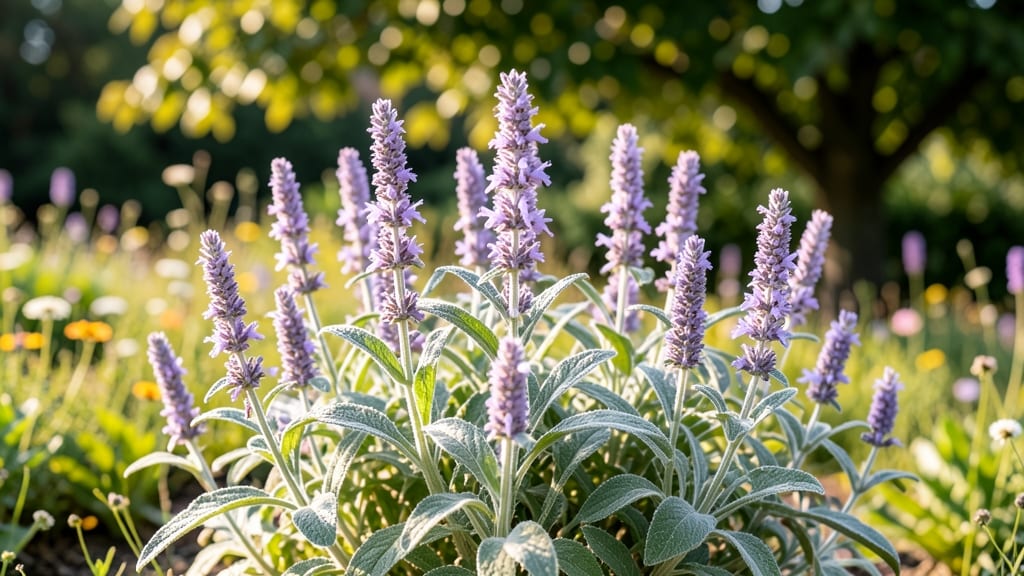
The nepeta bloom time of your second flush arrives when summer heat triggers the magic. 🌿 I’ve watched this happen every year—after the first flush of lavender flowers fades, the plants take a breather, then bam, another wave appears when temperatures hit that sweet spot (usually 75-85°F).
Zone 5 gardeners get it in late July, while Zone 9 plants may wait until September. The secret isn’t complicated: consistent moisture, deadheading spent blooms, and avoiding heavy fertilizer. My nepeta in partial sun reblooms reliably, but full-sun varieties sometimes need afternoon shade in scorching zones.
The key is balance—too much water stresses them, but drought triggers early dormancy. You’ll end up with 6-8 weeks of continuous blooms if you time it right. The fragrance alone makes it worth the effort—like walking through a lavender field every time you pass.
Prune lightly after the first bloom to encourage bushier growth for that second show. Works for Nepeta ‘Walker’s Low’, ‘Six Hills Giant’, or any catmint variety. The same tricks apply whether you’re in a rock garden or a container on your patio. Let’s make that second bloom spectacular.
📚 In This Guide
- What you need
- Instructions
- Tips and common mistakes
- Wrapping up and next steps
What you need
- ● Nepeta plants (choose varieties like Nepeta 'Walker’s Low' or Nepeta 'Six Hills Giant' for reliable blooms). Quantity: 3–5 plants per zone (adjust for container gardens).
- ● Well-draining potting mix (or garden soil amended with perlite or sand—1 part perlite to 3 parts soil for optimal drainage). Quantity: 1–2 cubic feet per plant.
- ● Slow-release fertilizer (10-10-10 or 5-10-5 NPK ratio). Quantity: 1–2 tbsp per plant (sprinkle at planting time).
- ● Pruning shears (sterilized with rubbing alcohol or bleach solution to prevent disease).
- ● Watering can or hose with a gentle spray nozzle (avoid overhead watering to prevent mildew).
- ● Heat-tolerant mulch (e.g., gravel or straw) to regulate soil temperature. Quantity: 1–2 inches around the base (keep 2–3 inches away from stems).
- ● Epsom salt (magnesium sulfate) for a mid-summer magnesium boost. Quantity: 1 tbsp dissolved in 1 gallon of water (apply every 4–6 weeks).
- ● Deadheading scissors (for precision trimming of faded blooms).
- ● Shade cloth (30–50%) for zones with intense afternoon sun (use temporarily if leaves scorch).
- ● Garden journal to track bloom times, temperatures, and pruning dates (a simple notebook or app works!).
How to extend nepeta bloom time through strategic heat management
Here’s how I coax my catmint into a second flush of blooms—no fancy tricks, just heat timing and light control.
☀️ Step 1: Understand Your Zone’s Heat Trigger
Nepeta blooms respond to temperature shifts, not just days. In Zones 3-5, the first flush appears when soil temps hit 60°F—usually mid-May. The rebloom trigger? A 10°F drop followed by 3-4 weeks of 75-85°F days
.I track my local highs/lows using a free weather app. When daytime temps hit 78°F consistently, that’s when I start watching for new buds. If your summers stay cool (70°F), you’ll need to supplement with grow lights to mimic heat.
✂️ Step 2: Deadhead Strategically After First Bloom
Cut back one-third of each stem right after the first flush fades, but leave 3-4 inches of growth to preserve foliage. I use clean shears and make cuts at a 45° angle just above a leaf node—this encourages lateral branching where new buds form.
Here’s the key: Don’t prune in heatwaves. Wait until mornings cool to 70°F or below. Hot weather stress after pruning can delay rebloom by weeks. I’ve seen plants skip their second flush entirely when cut back during 85°F+ conditions.
💧 Step 3: Adjust Watering to Signal Heat Stress
Reduce watering by 30% after first bloom—this mimics natural drought stress that triggers rebloom hormones. Let the top 2 inches of soil dry between waterings, but never let roots sit in soggy conditions. I use a moisture meter to check; 40-50% moisture is ideal.
Mulch with 1-2 inches of shredded bark to stabilize soil temps. Dark mulch absorbs heat during the day but releases it slowly at night, creating the 10°F diurnal swing that nepeta craves. Avoid synthetic mulches—they don’t break down and can smother roots.
🌿 Step 4: Supplement Light in Low-Sun Areas
If your nepeta gets less than 6 hours of direct sun, rebloom will be weak or nonexistent. I place a 20-watt LED grow light on a timer for 12 hours daily during cloudy spells. Position it 12 inches above the plant—closer than that will scorch leaves.
Watch for leggy growth (thin stems with wide leaf spacing)—this means light’s too far away. Adjust the height weekly as plants grow. In Zones 6-9, I’ve seen rebloom triggered by evening light extensions during short autumn days.
⏰ Step 5: Time Your Final Prune for Autumn
After the second flush fades, give nepeta a light haircut by mid-October in Zones 4-7, or late November in Zones 8-9. This prevents woody stems and ensures tender new growth in spring. I cut back to 6 inches tall, leaving the base foliage intact.
Mulch heavily now with 3-4 inches of straw to insulate roots through winter. In colder zones (below Zone 5), add a breathable frost blanket for the first two winters—this prevents crown rot while preserving dormancy signals.
Tips & tricks for perfect nepeta rebloom timing
These heat management secrets will help you coax a second flush of blooms from your catmint—no matter your growing zone.
Zone-Specific Timing: The 10°F temperature drop mentioned in Step 1 is your golden trigger. I track this by checking my weather app for nighttime lows dipping below the previous week's average high. For example, if your daytime highs are 85°F but nights drop to 65°F, that's your cue to watch for new buds forming within 3-4 weeks. In Zones 6-9, this often happens naturally in late summer, while Zones 3-5 may need grow lights to extend the warm days.
Pruning Precision: When you're ready to deadhead in Step 2, use a sharp pair of pruning shears and make your 45° angle cuts just above a leaf node—this isn't just about aesthetics, it's about directing energy where you want new growth. I've found that cutting back to 3-4 inches of growth gives the plant enough energy to rebound while still preserving enough foliage to photosynthesize. Pro tip: If your nepeta looks particularly stressed after pruning, give it a light dose of fish emulsion fertilizer to help it recover faster.
Watering Wisdom: The 30% water reduction in Step 3 works wonders, but timing matters just as much as quantity. Water in the early morning when evaporation rates are lowest, and always water at the base of the plant to avoid wetting the leaves—which can lead to fungal issues. I check soil moisture by sticking my finger 2 inches deep; if it feels dry, that's your watering signal. For container-grown nepeta, you'll need to water more frequently since pots dry out faster.
Light Supplement Strategy: If you're supplementing light in Step 4, position your 20-watt LED grow light so it covers the entire plant canopy evenly. I've had success using a simple timer set for 12 hours, but if your days are naturally short (like in autumn), you can extend this to 14 hours to simulate longer summer days. Watch for leaf burn if the light gets too close—start with 12 inches and adjust as needed. In my experience, plants in Zones 6-9 respond particularly well to evening light extensions during autumn.
Pro Tips for Nepeta Bloom Time
- These heat management secrets will help you coax a second flush of blooms from your catmint—no matter your growing zone.
- Zone-Specific Timing: The 10°F temperature drop mentioned in Step 1 is your golden trigger. I track this by checking ...
- Pruning Precision: When you're ready to deadhead in Step 2, use a sharp pair of pruning shears and make your 45° angl...
Frequently asked questions
Got questions about Nepeta’s bloom time?
You’re not alone—gardeners often wonder how to coax the best performance from this heat-loving perennial. Here are answers to the most common queries about timing, care, and troubleshooting to keep your Nepeta reblooming like clockwork.
When does Nepeta typically bloom, and how can I encourage a second flush?
Nepeta usually blooms in late spring to early summer (May–June in most zones), but with the right care, it can rebloom in late summer or fall. To trigger a second flush, deadhead spent blooms and ensure it gets full sun (6+ hours/day) and well-draining soil. A light pruning after the first bloom can also prompt new growth.
Why isn’t my Nepeta reblooming this year?
If your Nepeta skips its second bloom, check these common culprits:
- Too much shade: Move it to a sunnier spot (even partial shade may suffice, but full sun is ideal).
- Over-fertilizing: Nepeta thrives in lean soil. Too much nitrogen = lush foliage, fewer flowers.
- Poor drainage: Soggy roots = stress. Amend soil with sand or gravel if needed.
- No deadheading: Snip off faded blooms to redirect energy to new flowers.
Can I grow Nepeta in containers, and will it still rebloom?
Nepeta adapts well to containers as long as the pot has drainage holes and you use a fast-draining potting mix (add perlite or sand). Container-grown Nepeta may rebloom slightly later but follows the same care rules. Pro tip: Place pots in a sunny, sheltered spot to protect from wind and extreme heat.
What’s the best Nepeta variety for frequent reblooming?
Some varieties are rebloom champions:
- ‘Six Hills Giant’: Classic, hardy, and reliable for multiple flushes.
- ‘Walker’s Low’: Drought-tolerant and known for prolonged blooming.
- ‘Dwarf Catmint’: Compact but still produces late-season blooms.
For heat zones 5–9, these varieties handle summer heat better than others.
Should I cut back Nepeta in fall or leave it for winter interest?
Leave it! Nepeta’s silvery foliage adds winter texture. Cut back only in early spring (before new growth appears) to avoid removing protective buds. In zones 3–4, mulch lightly to shield roots from harsh winters.
Bonus Tip:
For extra-long blooms, try a light trim after the first flush (but avoid cutting into old wood). This encourages bushier growth and more flowers.
Wrapping up and next steps
Nepeta’s heat-triggered rebloom is a gardener’s delight—just a little patience and the right conditions can turn your patch into a long-lasting, fragrant spectacle! 🌿 Whether you’re in Zone 3 or Zone 9, understanding its bloom cycles and care needs lets you extend the magic well beyond summer.
Now that you’re armed with the secrets, why not grab those shears and give your nepeta a little TLC? Plan your next pruning session or explore companion plants to keep your garden buzzing with color all season!