
Blooming
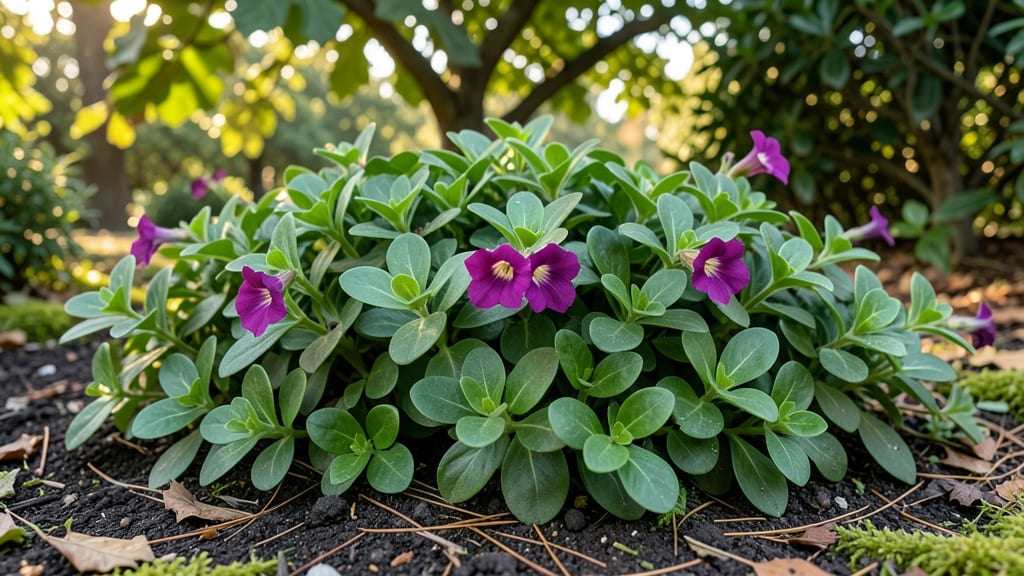
Periwinkle blooms in spring when soil temperatures hit 50°F, but the exact timing depends on your variety and climate—some burst into color by April, while others wait until May.
If you’ve ever wondered why your periwinkle 🌸 seems to bloom sporadically—or why some varieties explode with color while others barely bud—you’re not alone. Periwinkle’s bloom time is a delicate dance with temperature, sunlight, and even soil conditions, making it one of the most fascinating heat-triggered flowering cycles in perennials.
In Zone 6, where most gardeners live, creeping periwinkle (Vinca minor) often starts blooming in late April, while bigleaf periwinkle (Vinca major) may wait until early May.
But don’t let the calendar fool you—these plants are masters of adapting to their environment, and a few extra weeks of warmth can shift their bloom window by 3–4 weeks.
Below, I’ll break down how to read your periwinkle’s cues, the 3 key factors that control bloom timing, and simple tricks to encourage earlier or longer-lasting flowers—no guesswork required.
Periwinkle bloom time by variety: when and why they flower differently
If you’ve ever wondered why your periwinkle (Vinca minor or Vinca major) seems to bloom sporadically—or why some varieties explode with color while others barely bud—you’re not alone. Periwinkle’s bloom time is a delicate dance with temperature, sunlight, and even soil conditions.
Understanding these factors helps you predict when to expect those stunning blue or purple flowers and why some varieties bloom earlier or later than others.
Periwinkle thrives in U.S. hardiness zones 3–9, but its bloom timing shifts dramatically based on temperature thresholds (50–75°F) and sunlight exposure. For example, Vinca minor often blooms earlier in spring than Vinca major because it prefers cooler temperatures.
Meanwhile, hybrid varieties like ‘Argentea’ or ‘Giant Hill’ may extend their bloom season into early summer with the right care.
The key to unlocking periwinkle’s full bloom potential lies in matching its variety to your local climate and light conditions. Below, we break down the bloom windows for three popular types, along with month-by-month expectations for zones 3–9.
This comparison will help you plan your garden layout and care routine for maximum impact.
🌸
Notice how ‘Giant Hill’ blooms later and longer than Vinca minor? That’s because it thrives in warmer temperatures and benefits from more sunlight. If you live in zone 3 or 4, expect blooms to start 2–3 weeks later than in zone 9 due to cooler spring temperatures.
Conversely, in warmer zones, periwinkle may bloom sporadically year-round, especially if planted in well-draining soil with consistent moisture.
For Vinca minor, the late April–June bloom window is triggered by soil temperatures rising above 50°F. In cooler zones, this might not happen until May. Meanwhile, Vinca major waits until soil warms to 60°F, which often aligns with May in most regions.
The hybrid varieties like ‘Argentea’ bridge the gap, offering earlier blooms in spring and extending into summer.
Light exposure plays a critical role too. Periwinkle grown in full sun (like ‘Giant Hill’) will bloom more prolifically but may require extra water to prevent stress. In partial shade, varieties like Vinca minor focus their energy on foliage growth first, delaying blooms until temperatures stabilize.
If you’re in a shady garden, prioritize Vinca minor for early spring color.
🌿
To maximize your periwinkle’s bloom time, monitor your local last frost date and adjust planting times. For example, in zone 5, planting Vinca major in early April (after frost) ensures it hits its 60°F threshold by May, aligning with its natural bloom cycle.
In zone 9, where winters are mild, periwinkle may bloom year-round if given the right conditions—but expect peak performance in spring and fall when temperatures are moderate.
One common misconception is that periwinkle blooms only once per year. In reality, with the right care—like light pruning after blooming and balanced fertilization—many varieties will produce secondary flushes of flowers.
For instance, ‘Giant Hill’ often reblooms in late summer if deadheaded regularly. This makes it a versatile choice for long-season gardens in zones 6–9.
🌡️
If your periwinkle isn’t blooming on schedule, check these three factors: temperature, light, and soil health. Cold snaps in spring can delay blooms, while too much shade may reduce flower production.
For Vinca minor, ensure it’s planted in a spot with at least 3 hours of morning sun—this triggers the hormonal shifts needed
How to trigger earlier or prolonged periwinkle blooms with heat and care
Unlocking your periwinkle’s (Vinca spp.) full flowering potential starts with understanding its heat-triggered growth cycle. These hardy perennials naturally bloom when soil temperatures hit 55–65°F, but strategic care can shift that window earlier or extend it through summer.
The key lies in root warmth, pruning timing, and targeted fertilization—all designed to mimic their native Mediterranean climate where blooms stretch from spring to early fall.
For earlier blooms, focus on warming the roots. Periwinkle thrives in partial shade but needs consistent warmth to trigger buds. Mulch with straw or shredded leaves in late winter to insulate soil, then top-dress with compost in early spring.
This combo raises soil temps by 5–10°F, coaxing buds to form 2–3 weeks ahead of schedule. Pair this with a low-nitrogen fertilizer (like 5-10-10) in March to redirect energy toward flowers instead of foliage.
To prolong blooms, combine deadheading with strategic feeding. Snip spent flowers regularly to prevent seed formation, which diverts energy. Feed again in early July with a low-phosphorus, high-potassium fertilizer (like 5-10-15) to support late-season blooms.
In Zone 7+, periwinkle may bloom year-round—protect from winter wetness by adding a thick mulch layer (3–4 inches) before frost.
For container-grown periwinkle, use black pots to absorb heat and place on elevated stands to improve airflow. Move pots to sheltered spots in fall to extend the season—even a 10°F warmer microclimate can add 3–4 weeks of blooms.
Pair with succulents or sedum to create a warm, drought-tolerant ecosystem that mimics periwinkle’s native habitat.
Monitor your plant’s leaf color for clues: yellowing edges signal overwatering or nutrient burn, while purple stems mean phosphorus deficiency. Adjust care immediately—periwinkle’s resilience means it’s easier to fix issues early than to revive a stressed plant.
With these tweaks, your periwinkle could bloom 2–3 months longer than average, turning your garden into a year-round color show.
🌸